I make 3-dimensional fabric relief pictures that are photographed and used to illustrate children’s books. I sew together different materials to create fanciful scenes in relief, much like a miniature stage set, with figures imposed on an embellished fabric background. My work is decorative and detailed, full of patterns from nature and found objects, all sewn together by hand with a needle and thread.
I’ll add to the multitude of snow pictures being posted on the eastern seaboard today. We woke up to about a foot and a half of the white stuff this morning.
Rob got out his beloved Kabota tractor and plowed the driveway, while Ian and I shoveled.
For my friends and neighbors, I made a huge batch of granola and filled up a dozen quart canning jars. For the labels, I cut paper circles with wavy scissors and decorated them with stamps, stickers and a dye cutter that cuts out tiny leaves. Then I stick them to the canning jar tops with double sticky tape and tied ribbon around.
In the early 80’s, I designed projects for magazines. I remember that the projects themselves were fun to figure out and make, but writing the directions was a big chore. You have to break the process down step by step and explain every detail. Sometimes it’s hard to tell how you did something in a clear understandable way. I work intuitively, so writing coherent directions was work!
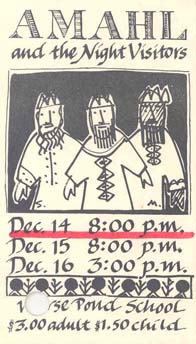
Ticket 1981
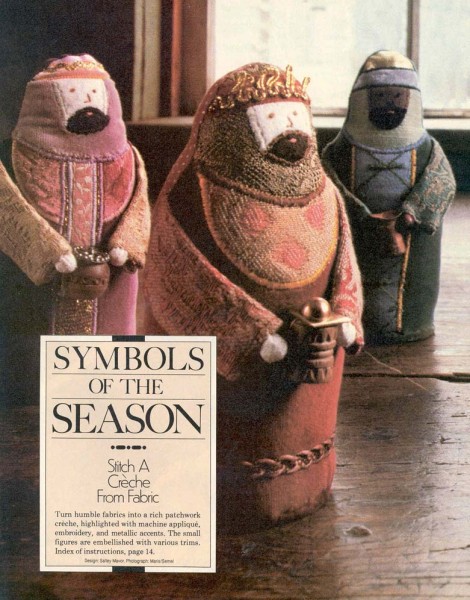
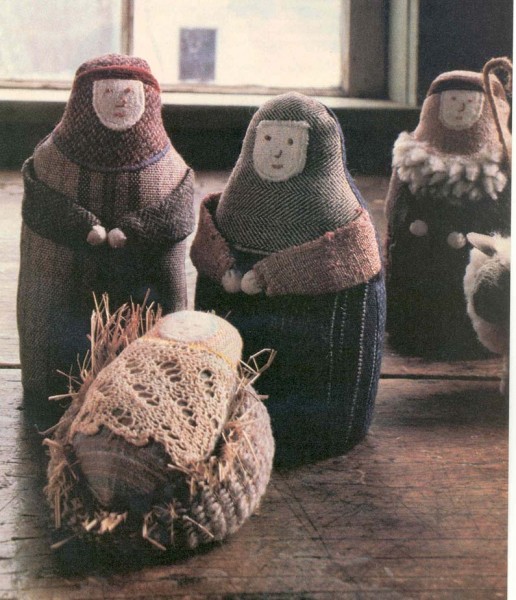
Here’s a ticket stub to a production of the opera, Amahl and the Night Visitors, which was performed in Falmouth by a local theater group in 1981. I designed the posters, program, tickets and costumes. The image of the three kings got me thinking about doing a nativity scene of cloth dolls. The thing about dolls is that they usually have legs, which makes it difficult for them to stand on their own. So, I gave these characters long robes and even put sand in the bottom to make them stay grounded. The kings were made from lush fabrics like brocade and velveteen, with metallic braid, and they carried bead and button gifts. Mary and Joseph’s clothing was more homespun, with woven wools and roughly textured cloth.
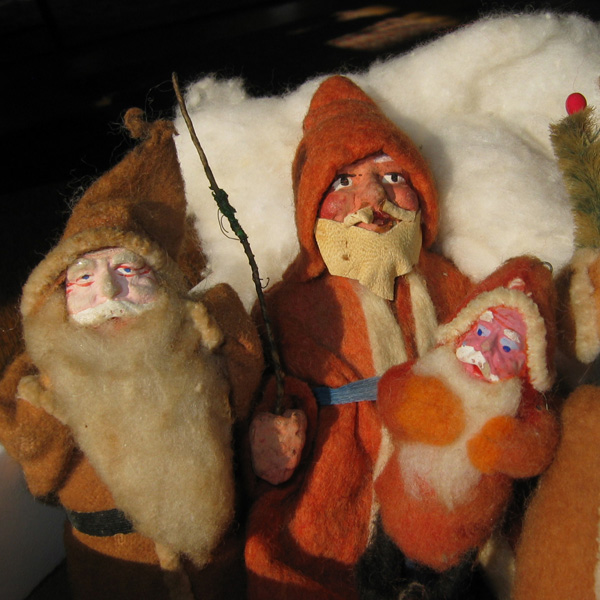
From time to time, I’ll be posting a group of photographs of my favorite things. These Christmas decorations are from my husband’s family in Pennsylvania. My mother-in-law would set up scenes on the mantle piece and window sills around the house. I love the way one of the Santas has a kid leather beard, instead of the traditional cotton.
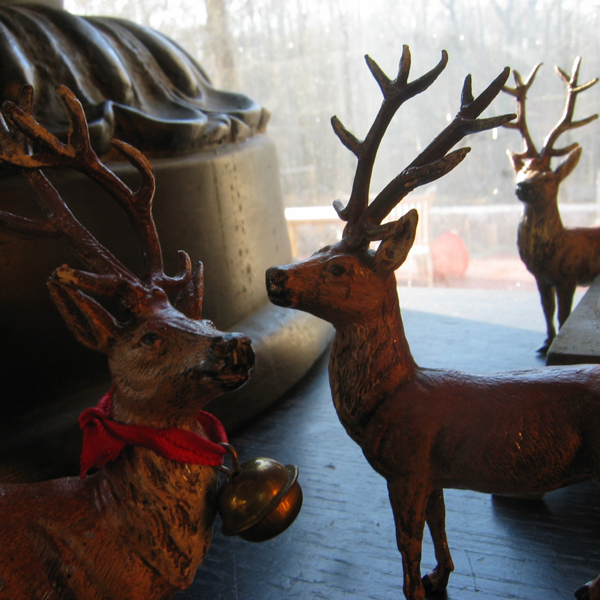
There are seven metal reindeer left in the set, some with bells and some so lame that they need help standing.
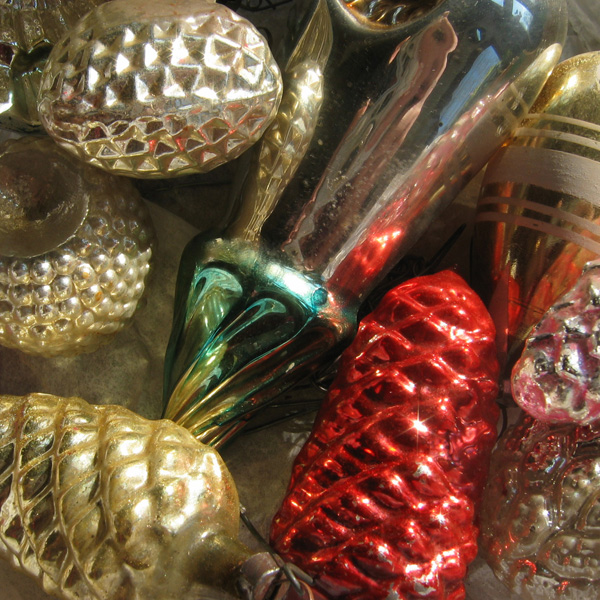
These glass ornaments are so delicate and are still stored in what looks to be their original box.
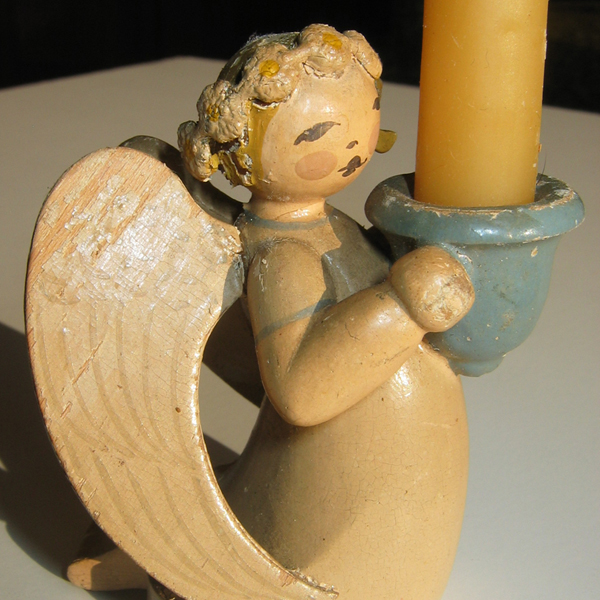
This wooden angel candle holder is about 3″ tall. I love her little head wreath.
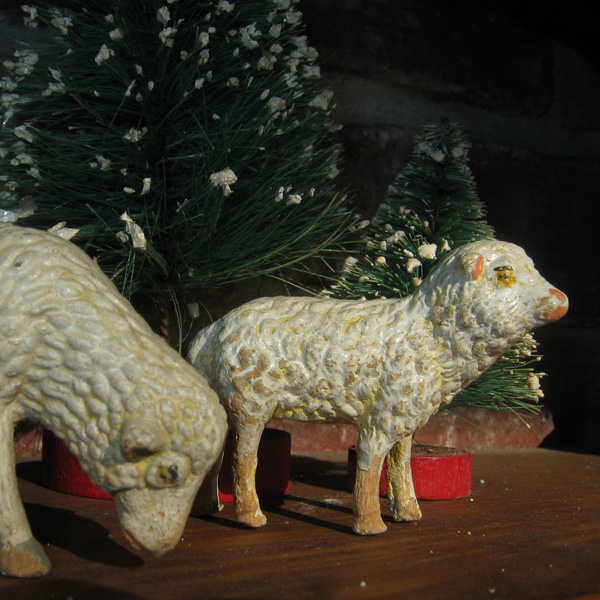
And there’s a flock of sweet sheep and lambs, with their wooden legs worn and exposed.
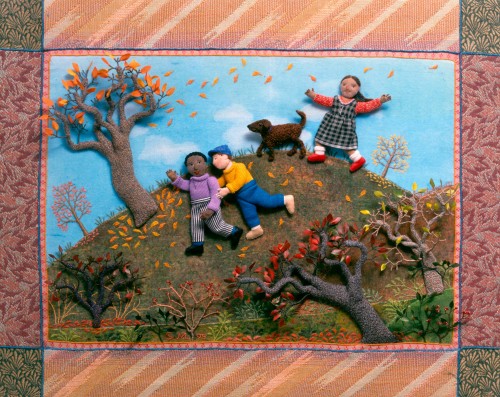
Fall Friends was made in 1995, in between book projects.
Fall Friends, fabric relief by Salley Mavor 1995
During this period, I used cotton velveteen quite often for the back grounds. In this case, I dyed the fabric for the sky and hillside. The clouds were made by painting on a rice based resist liquid that I can’t remember the name of, but I think it is Japanese. You get a softer look than batiking with wax, which can have a cleaner edge.
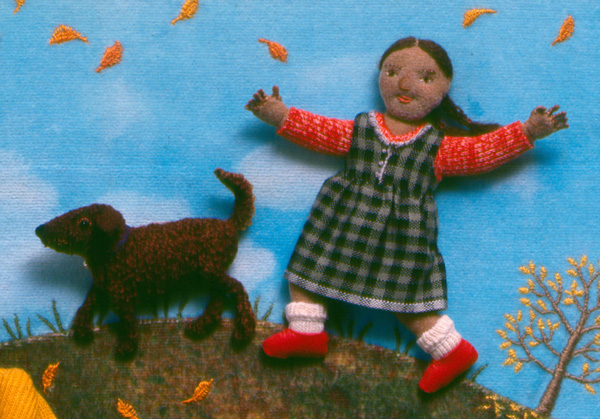
Detail from "Fall Friends"
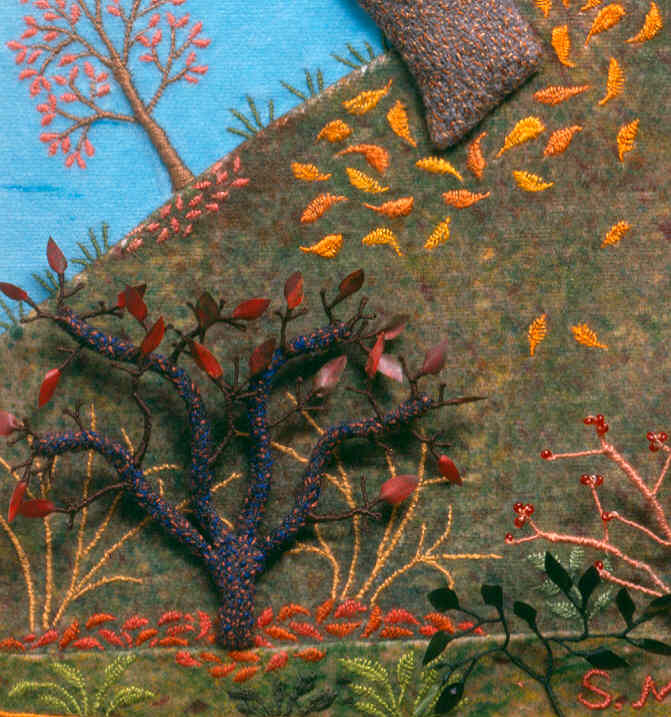
The bush trunk is wool covered wire and the smaller wire branches are wrapped with embroidery floss. The border is made of upholstery fabric, with all of the embroidered edging done by hand. I used to do a satin stitch with the sewing machine, but found it to be too flat and mechanical looking.
Detail from" Fall Friends"
This is a drawing I did as a student at RISD in 1977. It’s pencil on layered pieces of tissue paper, which has yellowed over time from rubber cement. I think of it as an early example of my interest in experimenting with different working surfaces. Soon after this, I started combining materials and doing more and more 3 dimentional work.
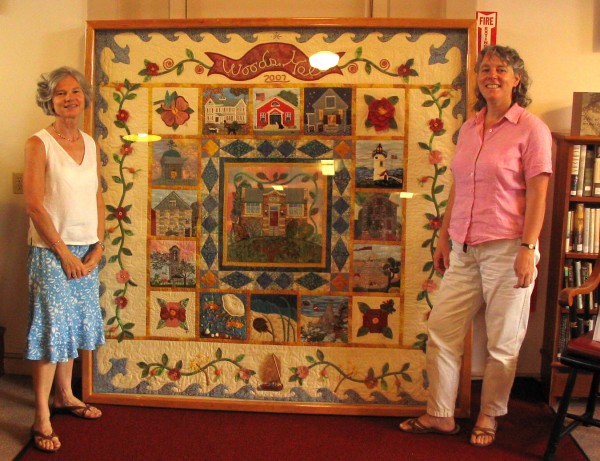
A few years ago, my friend Terry McKee and I designed and organized the making of a community quilt for the Woods Hole Public Library.
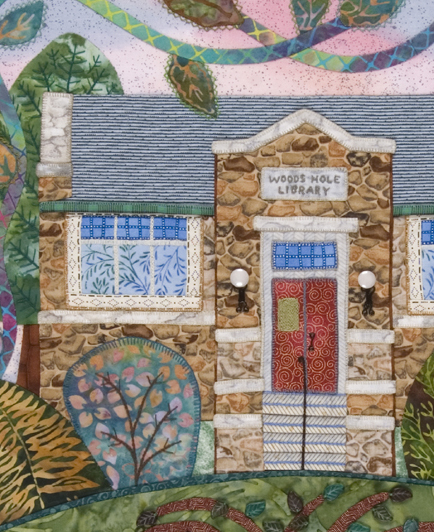
Center square of the Woods Hole Quilt
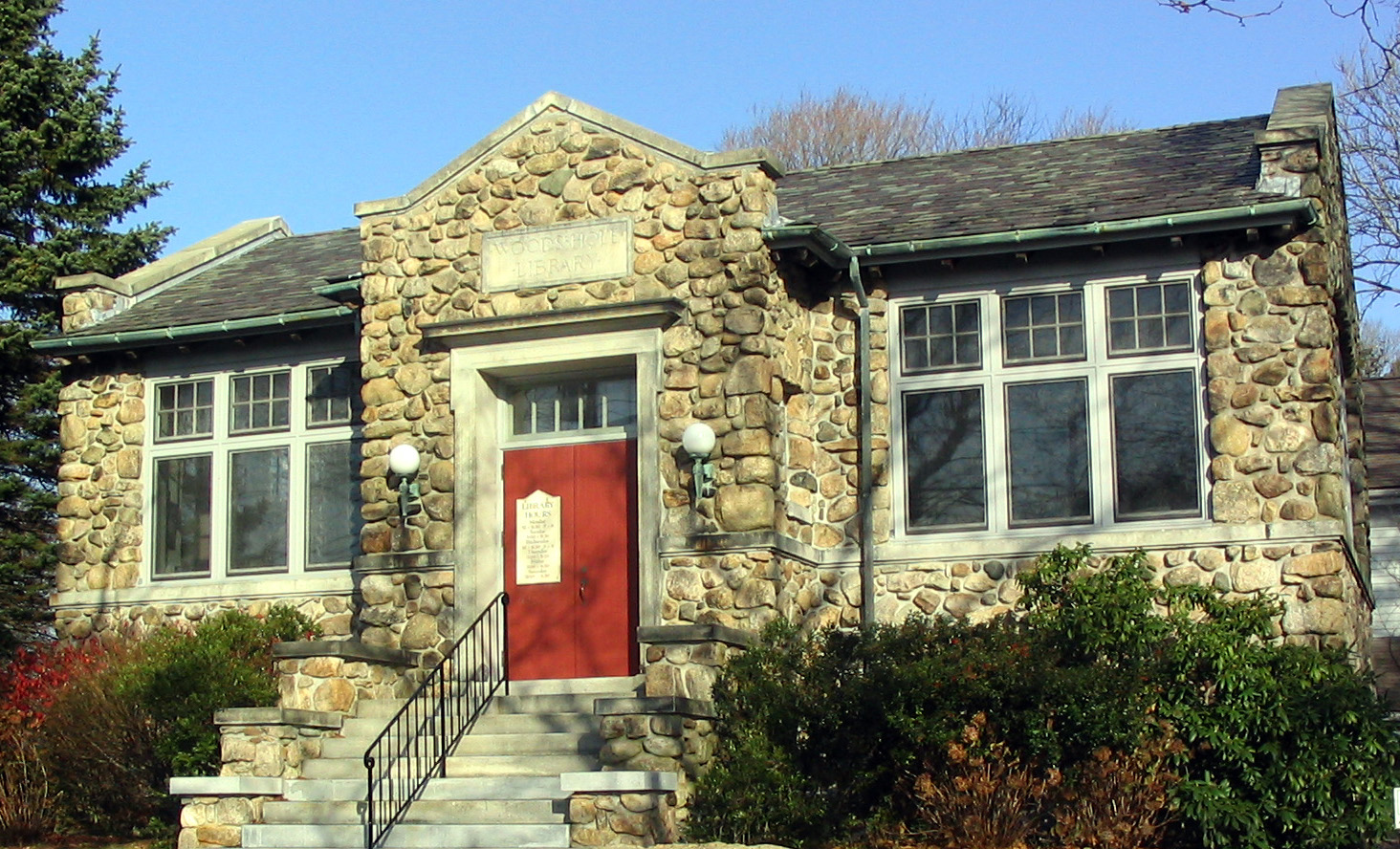
We asked local quilters to make squares depicting buildings and scenes from our Cape Cod village. I was honored to make the center square of the library, a familiar sight with a distinctive round stone exterior. My family has lived here since the 1920’s when my scientist grandfather, James Mavor Sr., came to set up a lab at the Marine Biological Laboratory. As a child in the 60’s, I remember walking with my class the short distance to the library from the Woods Hole School (one of the quilt squares). Today, the library is still a central part our community, one that reflects the unique charm and character of our village.
Woods Hole Public Library
In the process of making the library square, I found some stone wall fabric that looked remarkably like the building. I decided to liven up the scene with appliqued bushes and vines made with batik fabrics. About twenty women worked on the quilt in 2006 and 2007, and it was hung in the Library stairwell in early 2008. Come and see our beautiful quilt! For those of you who travel on the ferry to Martha’s Vineyard, the library is just up the hill from the dock.
Detail of quilt center square
Stitching rope letters to the banner
The Woods Hole Community Quilt is now featured in a 2010 Calendar, which was made to celebrate the centennial year of the Woods Hole Public Library.
Terry McKee (left) and Salley Mavor with the framed Woods Hole Quilt
To keep up with new posts, please subscribe to this blog. Your contact info will not be sold or shared. If you’d like to see more frequent photos tracking the projects in my studio, please follow me on Facebook, Instagram and BlueSky.
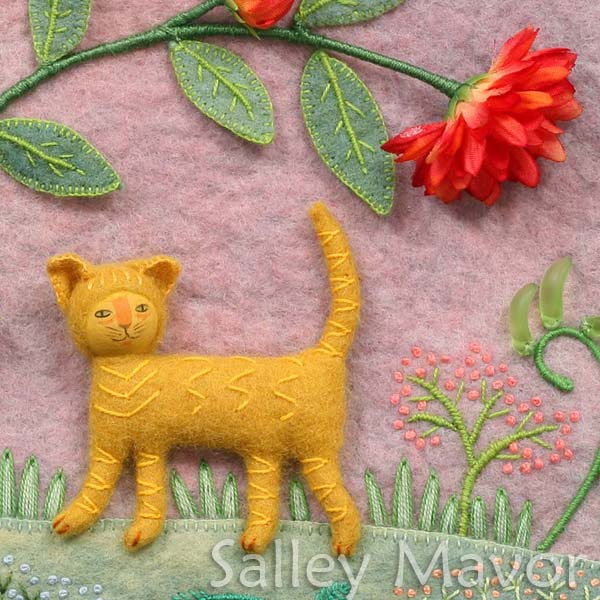
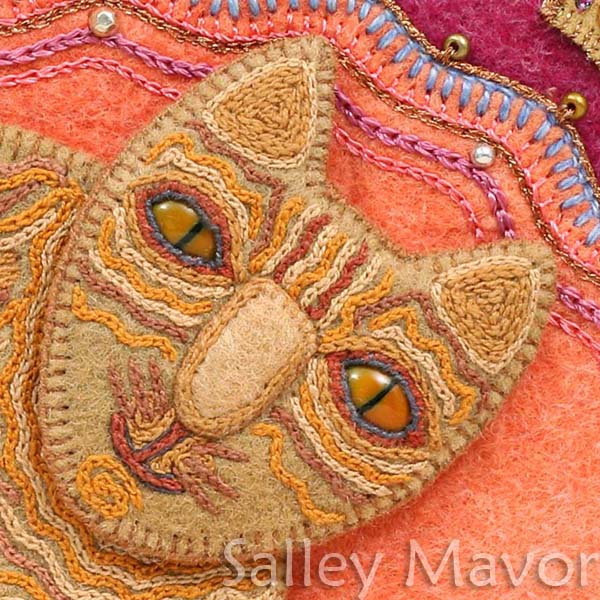
Today, I’m starting a regular series called Close-ups, which will feature detailed images taken from my artwork. I’m having fun grouping different subjects for future posts. There will be close-ups from my childhood drawings, student work, sculpture, illustrations and fabric relief pieces, all presented in somewhat chronological order. The following cats are from my books, The Hollyhock Wall, Felt Wee Folk, Wee Willie Winkie and the upcoming book Pocketful of Posies.
For a tutorial on how to make this cat pin, see another post here.
from “Wee Willie Winkie”
detail from Pocketful of Posies
from “Pocketful of Posies”
Note: See other posts in the Close-ups series archive here.
A few weeks ago, some friends, my husband and I visited Block Island for the first time.
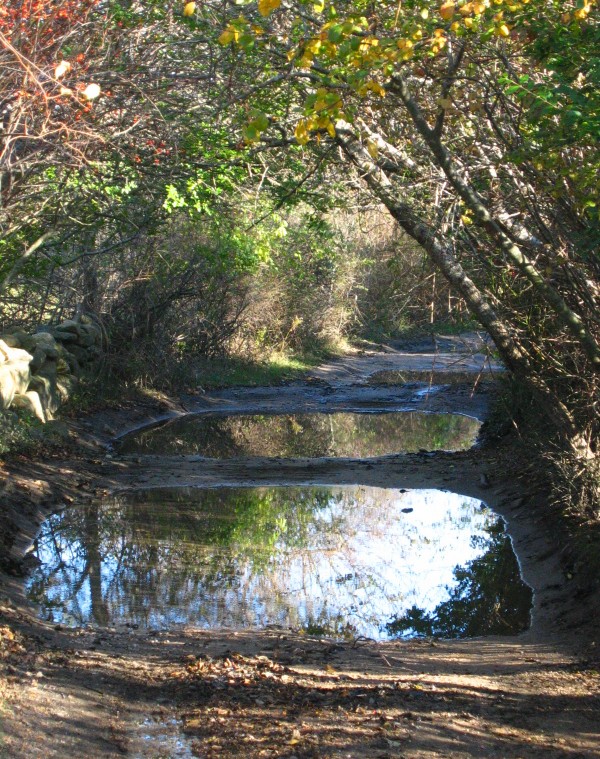
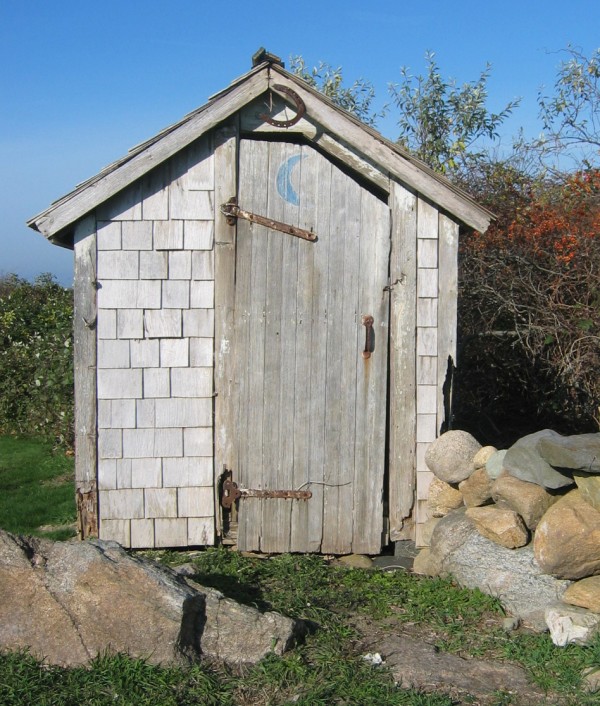
The ferry we took from Point Judith, Rhode Island was practically empty this time of year. We were struck by the pastoral beauty and quiet calmness of the island, especially now, in the off-season. In the busy summer season, the island population grows from 1,000 to 15,000. We are thinking of going again next summer, but will travel in our own boat from Woods Hole across Buzzard’s Bay. This selection of photos were taken by our friend, Keith von der Heydt.
Mimi Kirchner inspired me start a blog because she makes it look so creative and fun. We first met in the 80’s at the Christmas Store, a seasonal cooperative in Cambridge, Mass., which is now named Sign of the Dove. At the time she was making wonderful hand painted ceramics. A few years ago, Mimi asked me to be a part of an exhibit she was putting together in Arlington, Mass. called “Still Playing with Dolls”. We’ve been in frequent contact ever since and I’ve been following her blog, Doll, regularly. She is constantly coming up with delightful new designs, never the same thing over and over again. One thing we have in common is the almost obsessive compulsion to make things. Am I right, Mimi?
Snowy Hill by Mimi Kirchner
Rapunzel by Mimi Kirchner
Mushroom House by Mimi Kirchner
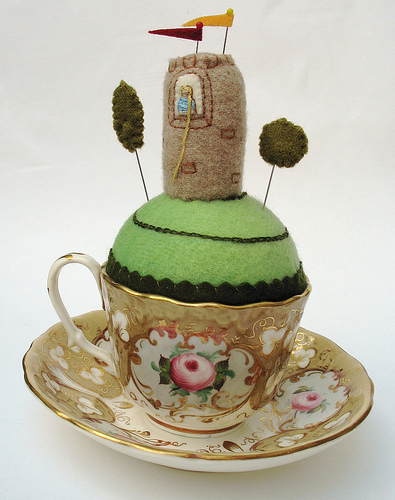
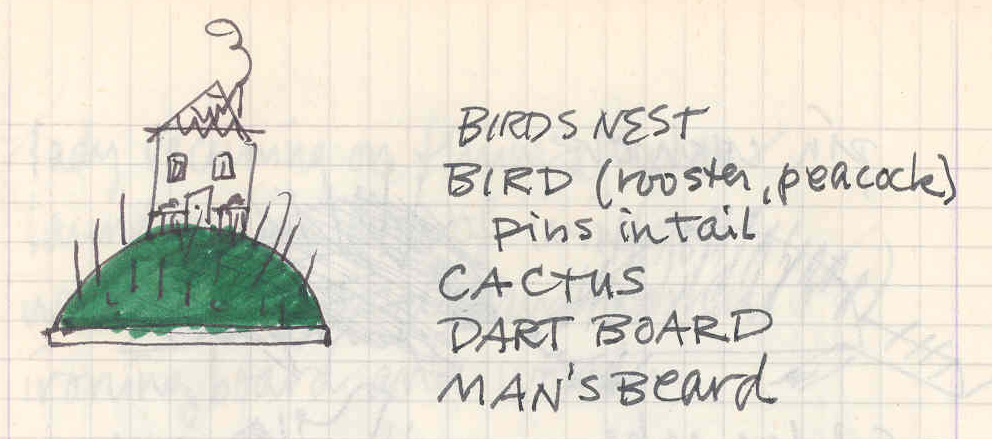
In a recent conversation, Mimi mentioned that she remembers seeing some pin cushions that I had made to sell in the coop store decades ago. Here are some pictures of a house and lion I made in 1980, along with some pages from my sketchbook of that time. Now, with her Tiny World pin cushions in tea cups, she has taken the concept and made it her own, producing new beautiful designs at an incredible rate. I agree with Mimi, who says, ” I am a believer that there is nothing new in the world and we are all inspired by each other.”
Mimi has taught Tiny World pin cushion classes in her studio in Arlington, Mass. and now has a pattern for sale in her Etsy shop.
I started making Walking the Dog soon after my mother died in 2005. It is a kind of modern-day mourning needlework piece, popular in 19th century America, although in mine, there are no figures dressed in black, grieving under weeping willows. My mother loved color and I don’t remember ever seeing her wear plain black or brown. I thought about her throughout the process, about her gift of nonjudgmental encouragement and her willingness to provide time, space and materials for everyone in our household to create works of art. To her, art wasn’t an extra, but an essential part of everyday life.
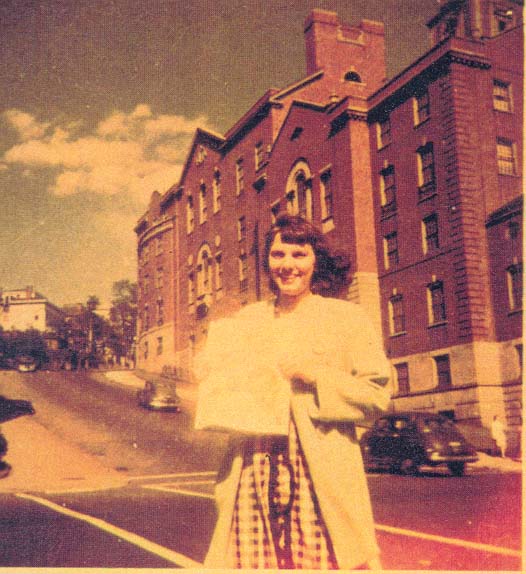
My mother, Mary (Hartwell) Mavor, holds up a newspaper announcing the end of WWII, while a student at RISD in Providence, RI
I often think about how wise and thoughtful she was. In a term paper about art education for her master’s degree in 1965, she wrote, “The student should be encouraged to find his own way, but this does not mean the void of laissez-faire.
Drawing of my Mom by an unknown RISD classmate, mid 1940’s
Children need a structured exposure to many ways of seeing, doing and thinking. To teach art, the teacher must be an artist. By having confidence in their own abilities, teachers will be able to sensitize children to want to learn and care—not just problem solving. Through intuitive discovery a child will find himself, what he believes and be really free, even in a computer society. By giving students something to do—learn and contemplate what they can understand naturally—will give them the values needed today.”
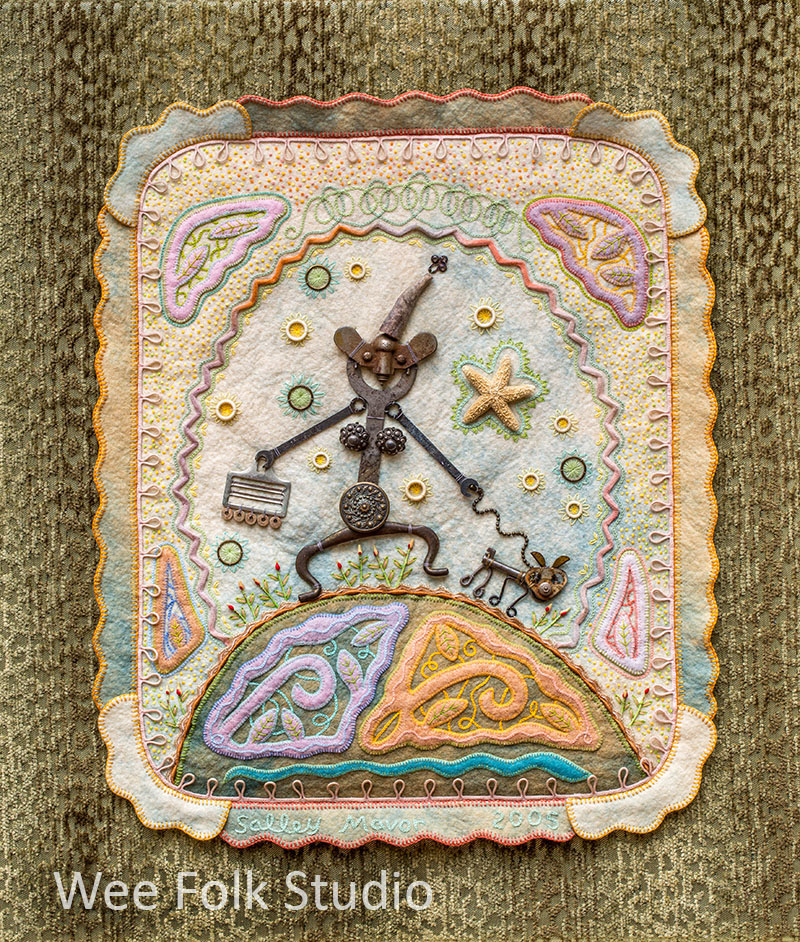
“Walking the Dog”, fabric relief by Salley Mavor 2005, 20″ x 23″
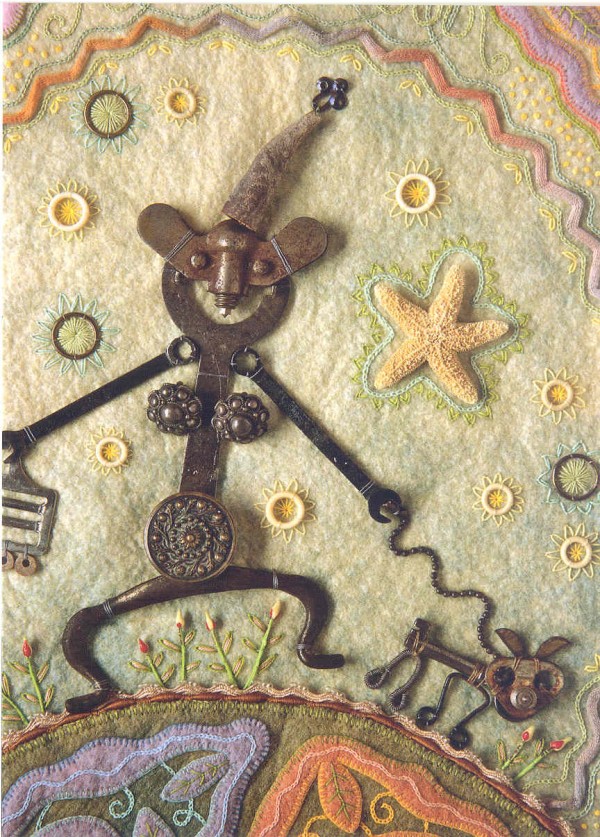
I started making Walking the Dog by spreading out a bunch of metal parts I’d been collecting onto my work table. Several of the objects, like the wrenches and drawer pull, I’d found a few years earlier at the Liberty Tool Company in Liberty, Maine. I had no plan and tried to approach the project as an open exercise that may or may not lead to something tangible. I started playing around with the shapes and a figure emerged, then a dog made from an old key and a lamp pull chain leash. Later I added a handbag to balance the dog on the other side. Earrings and a brooch became her breasts and tummy. Then the figure needed a place to be, so I made her a hillside out of wool felt. One thing led to the other, with the earth needing a felt atmosphere, which then needed to be contained with ricrac. I finished it off with lots of French knots, chain-stitched curly ques, and added a border made from a long section of antique button loops. Then I mounted the felt piece to some leopard-like spotted upholstery fabric. It ended up being a very satisfying experience, with something to show for it. Thank you, Mum.
Detail from “Walking the Dog”
I recently found these childhood drawings and can see that my subjects and style haven’t changed much in almost 50 years!
Cowboy by Salley at age 6
Woman with hat by Salley age 5
To keep up with new posts, please subscribe to this blog. Your contact info will not be sold or shared. If you’d like to see more frequent photos tracking the projects in my studio, please follow me on Facebook, Instagram and BlueSky.
My sister, Anne Mavor, made one of these shields which will be offered in an auction to benefit the Portland Waldorf School in Oregon. Anne’s shield (top row, second from left) is done with encaustic wax, a technique that she’s been learning lately. Anne is a past parent of the school and now works in the office, where she does graphic design, including this very classy auction announcement. Thirty hand-made, blank wooden shields were given to selected artists within the PWS community and the greater Portland area to be decorated through a variety of artistic mediums. They will be exhibited at Portland Waldorf School and auctioned and raffled off from Nov. 30-Dec. 4.



















 SALLEY MAVOR