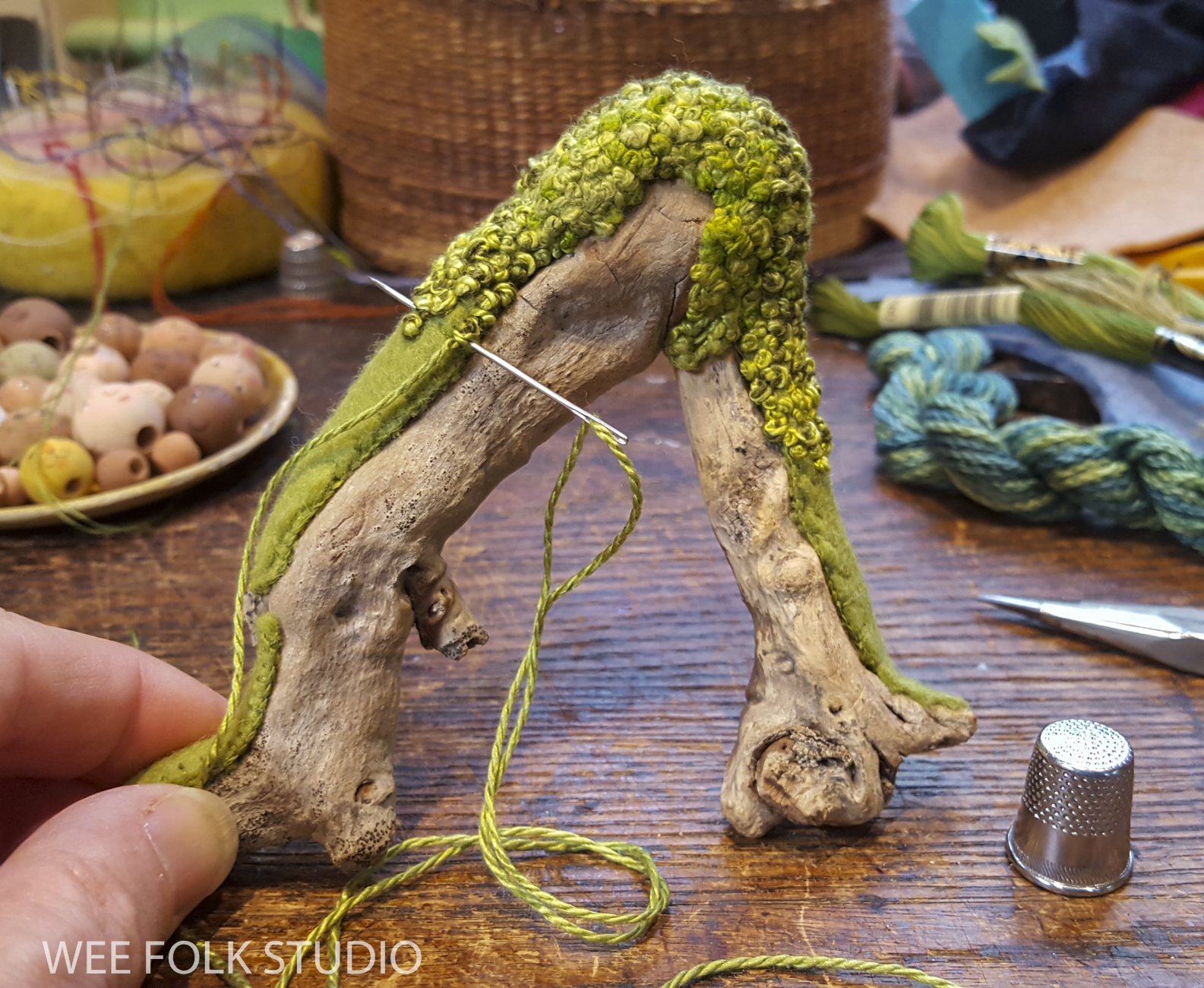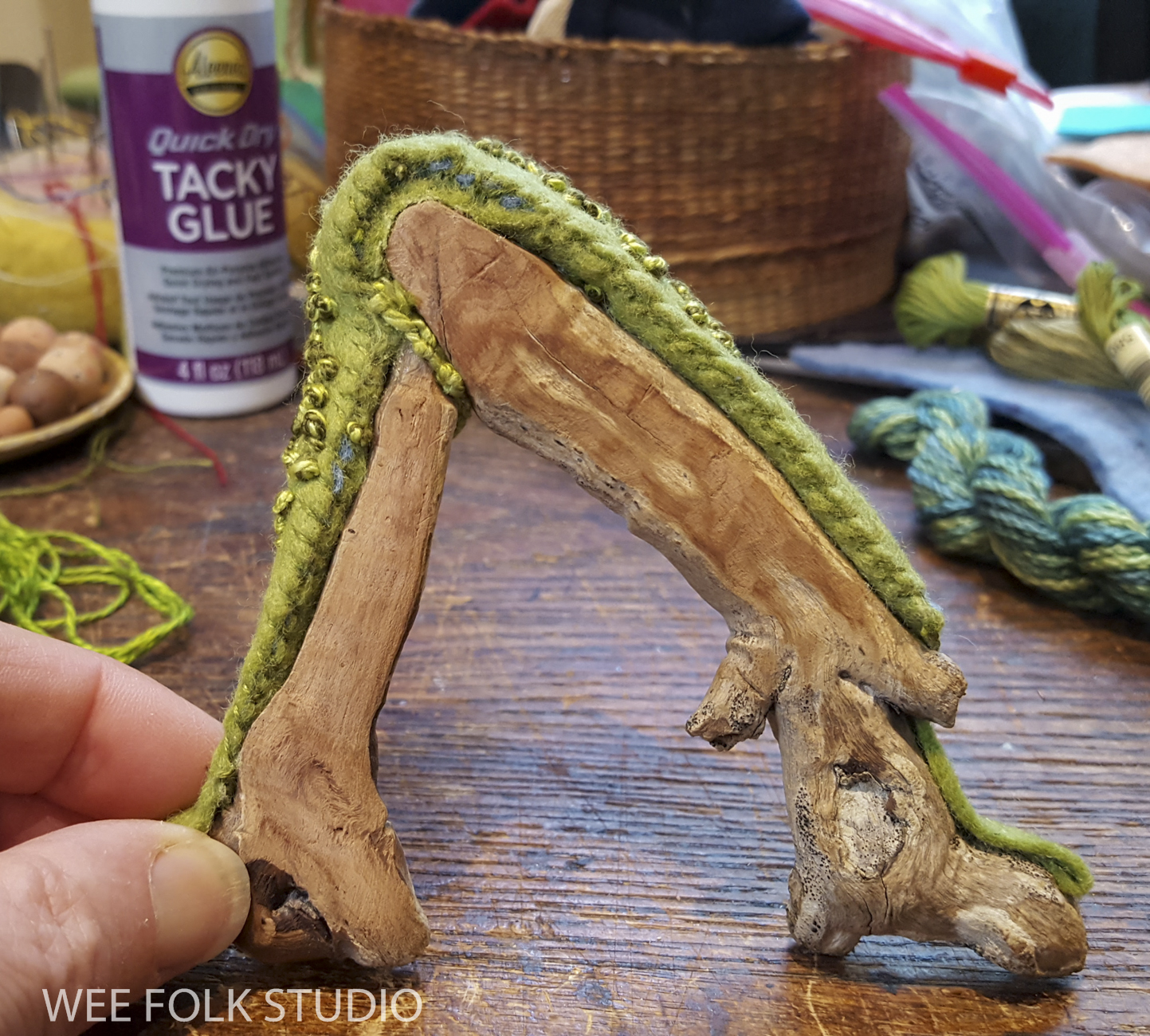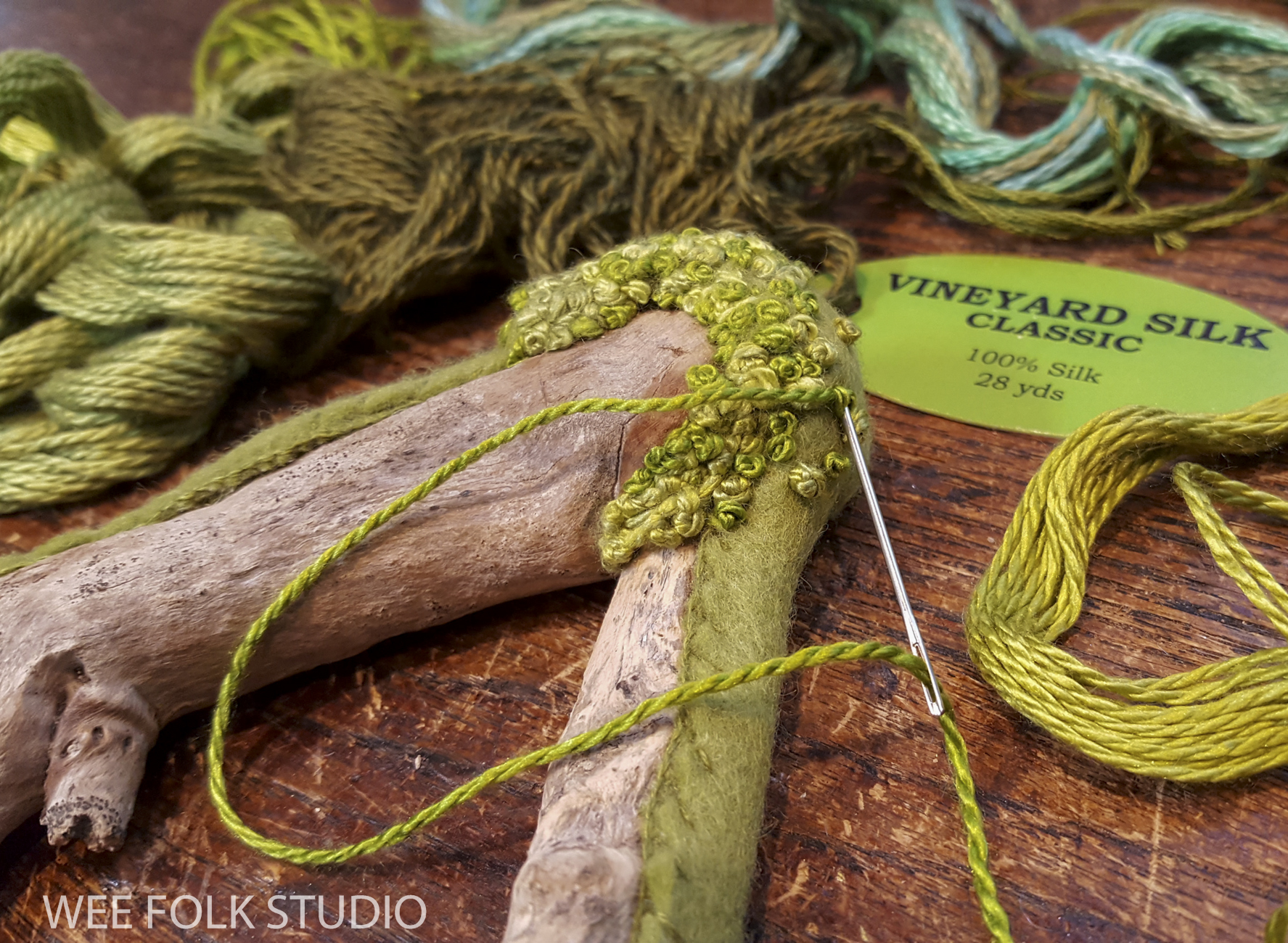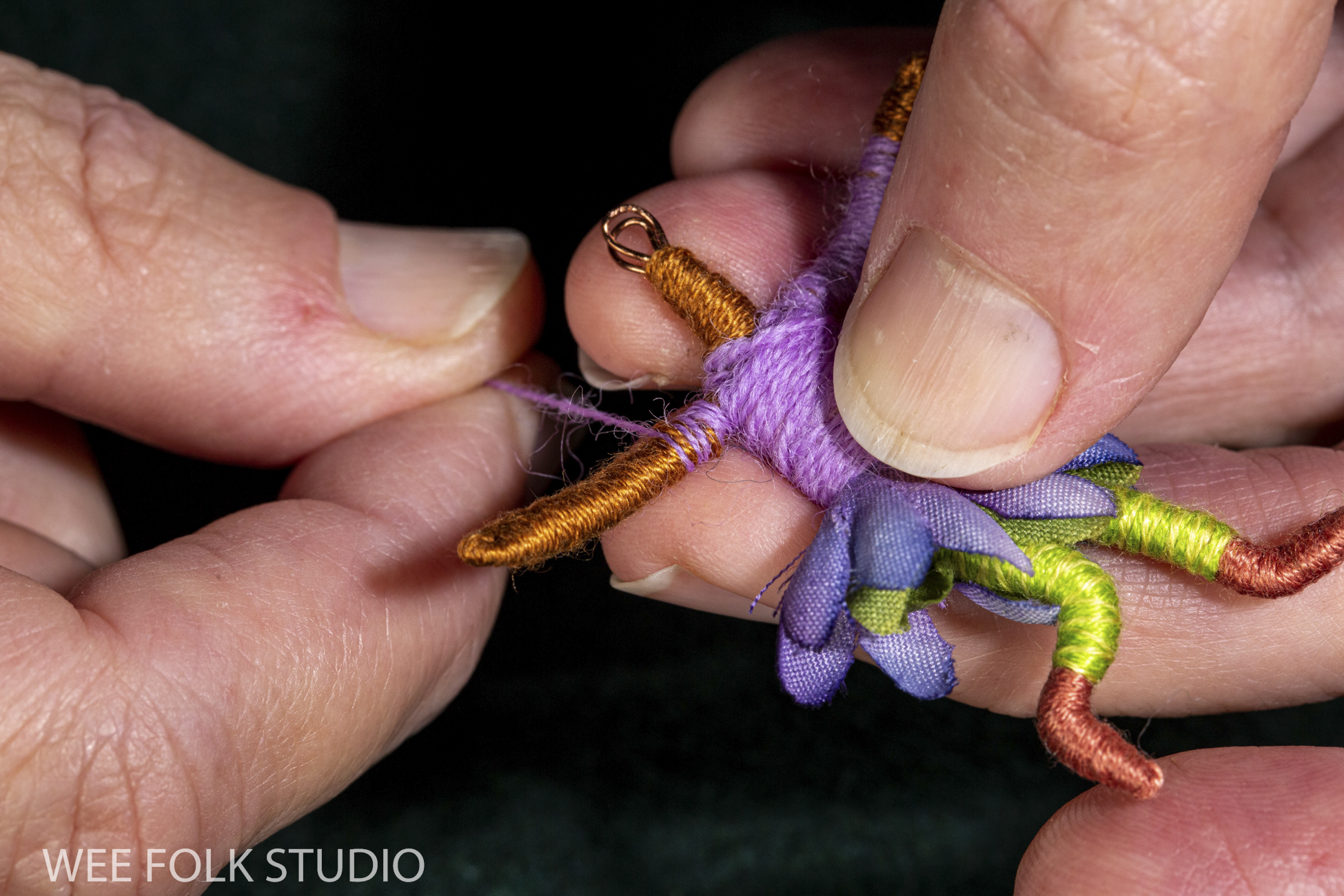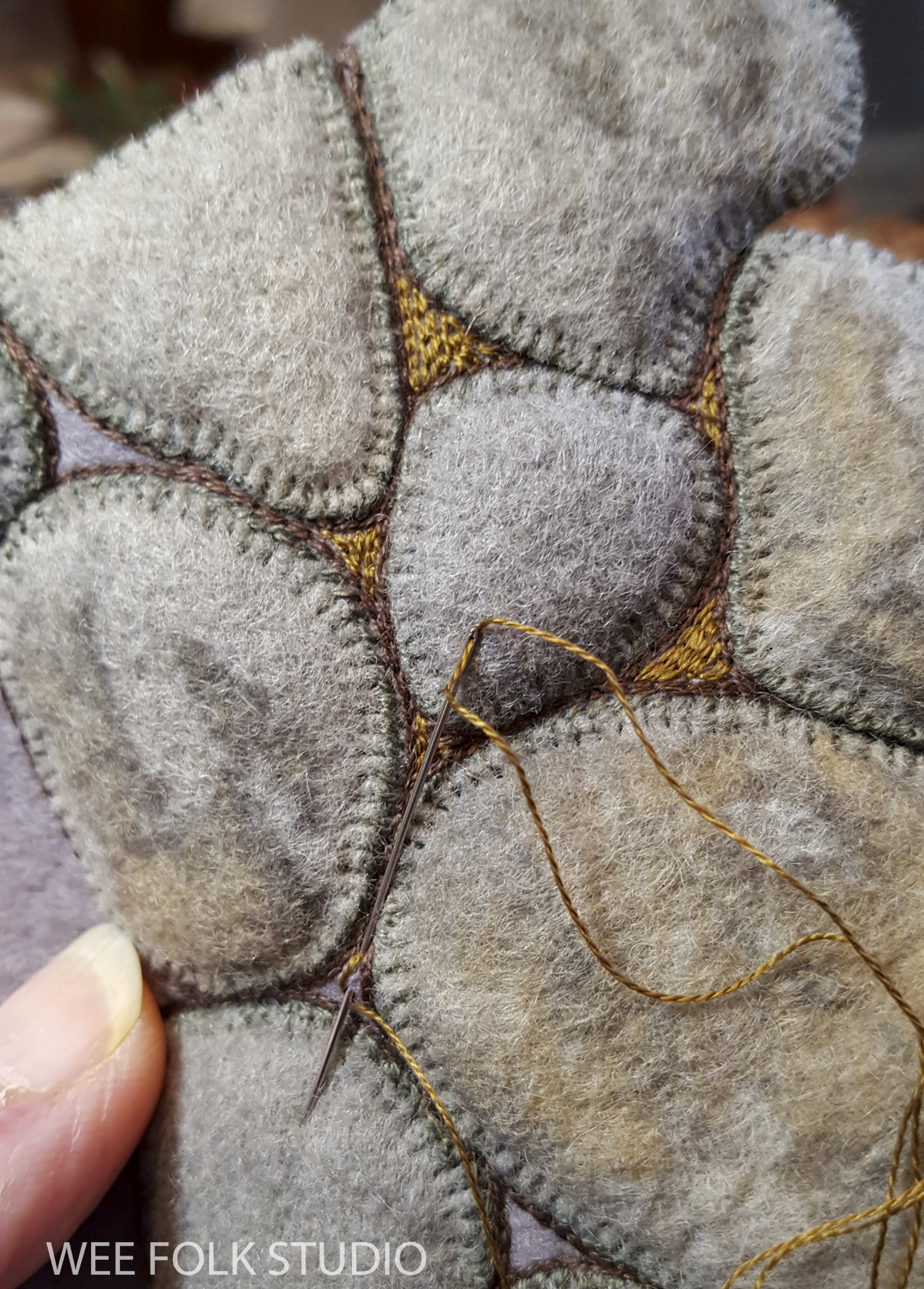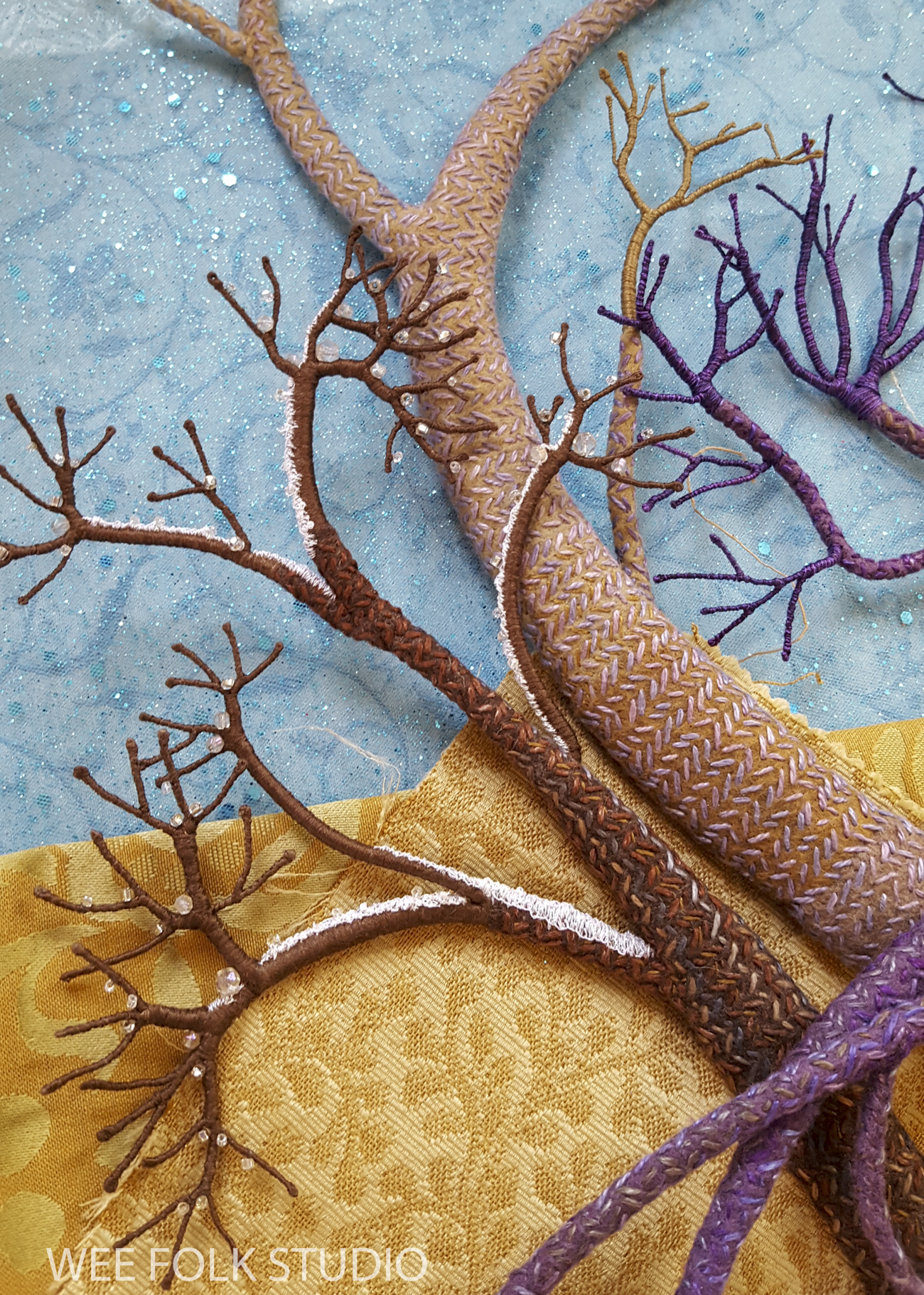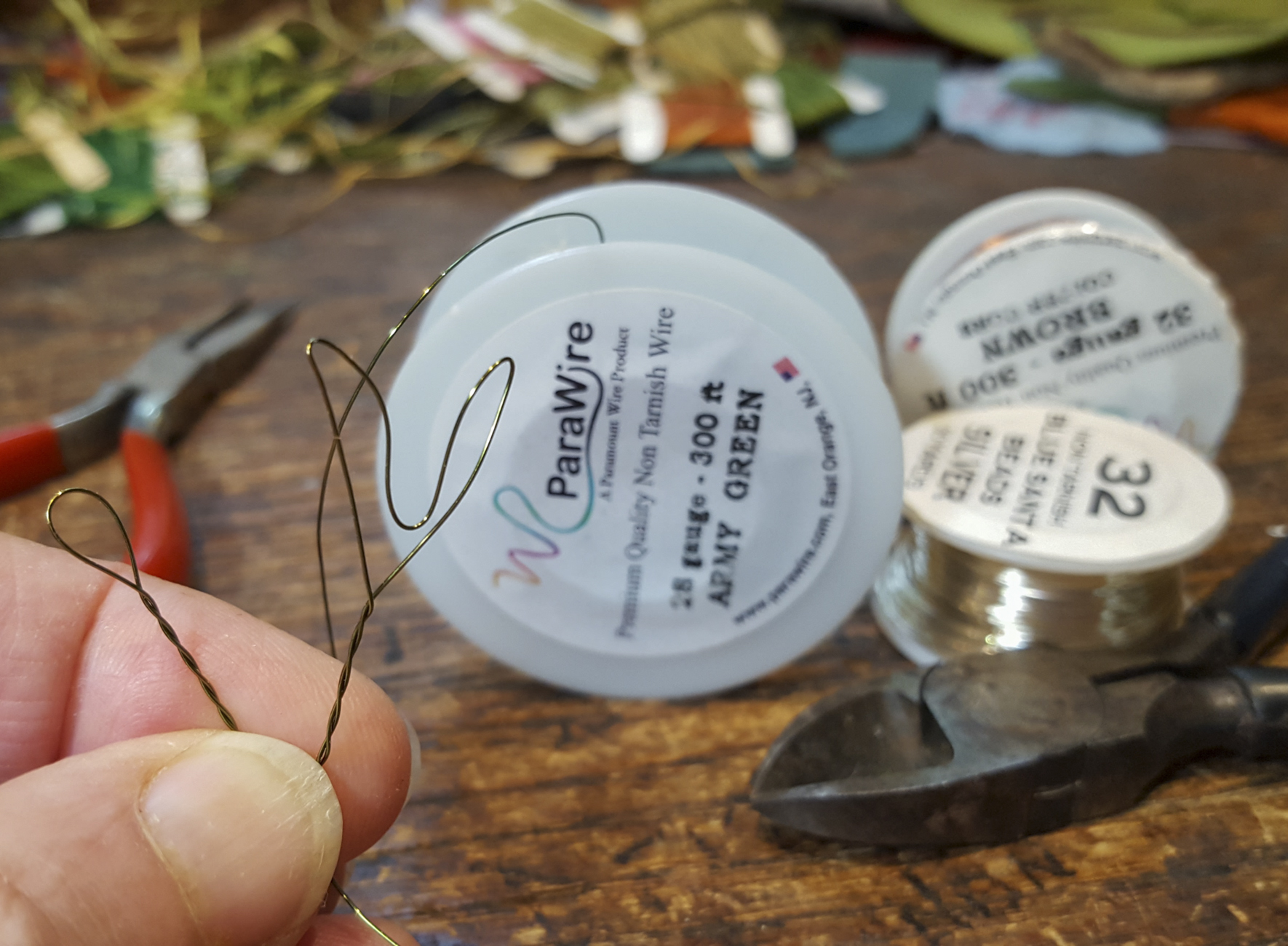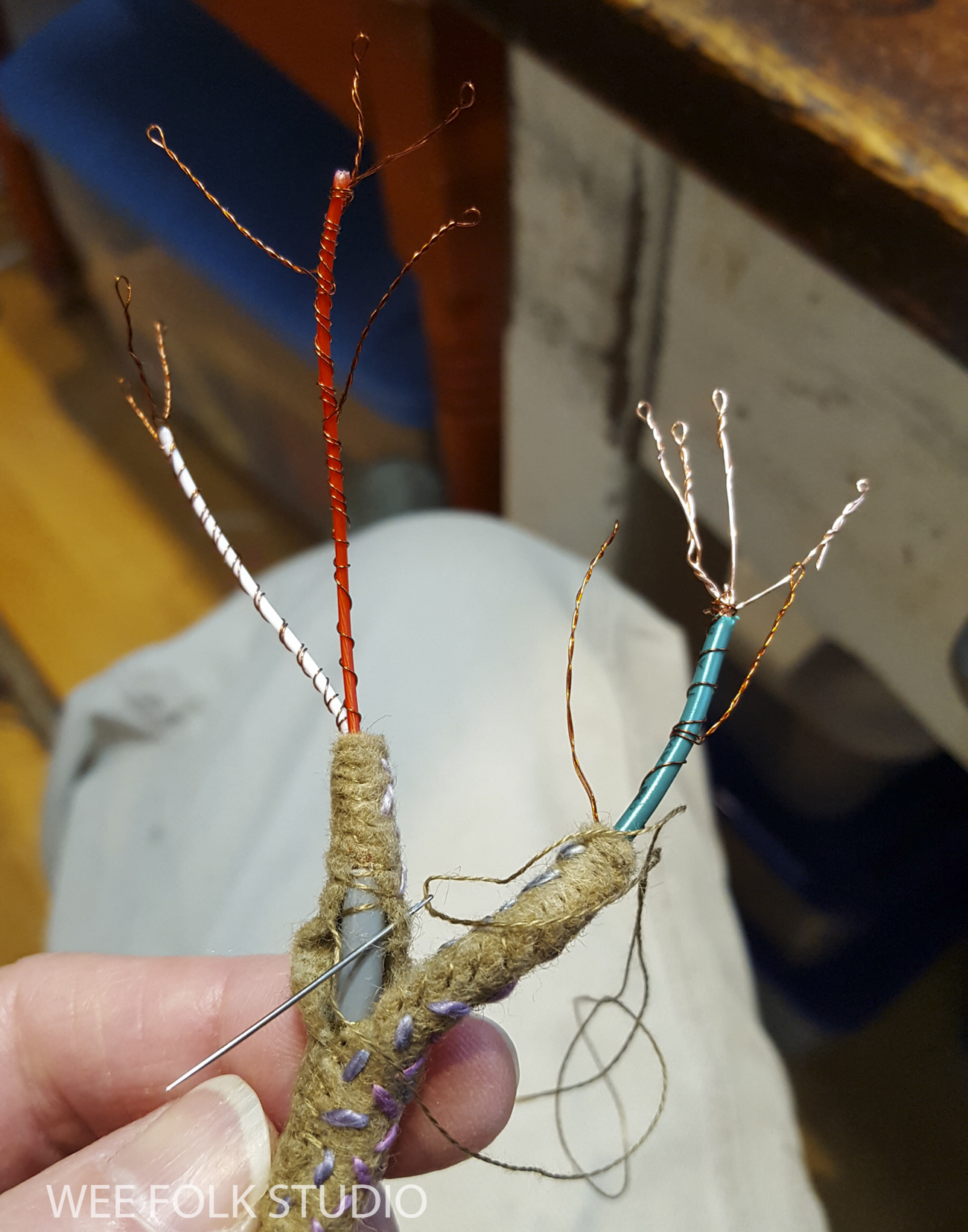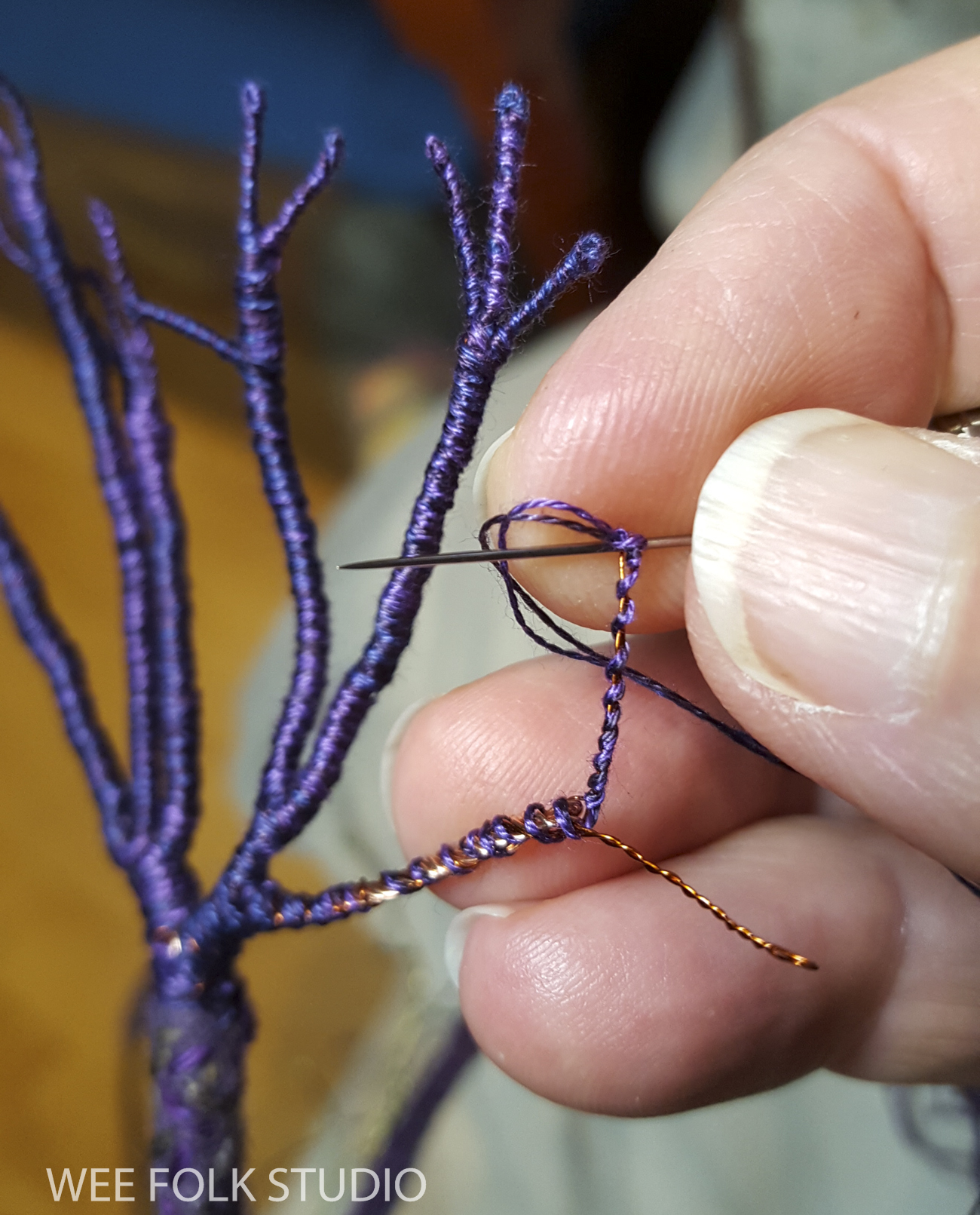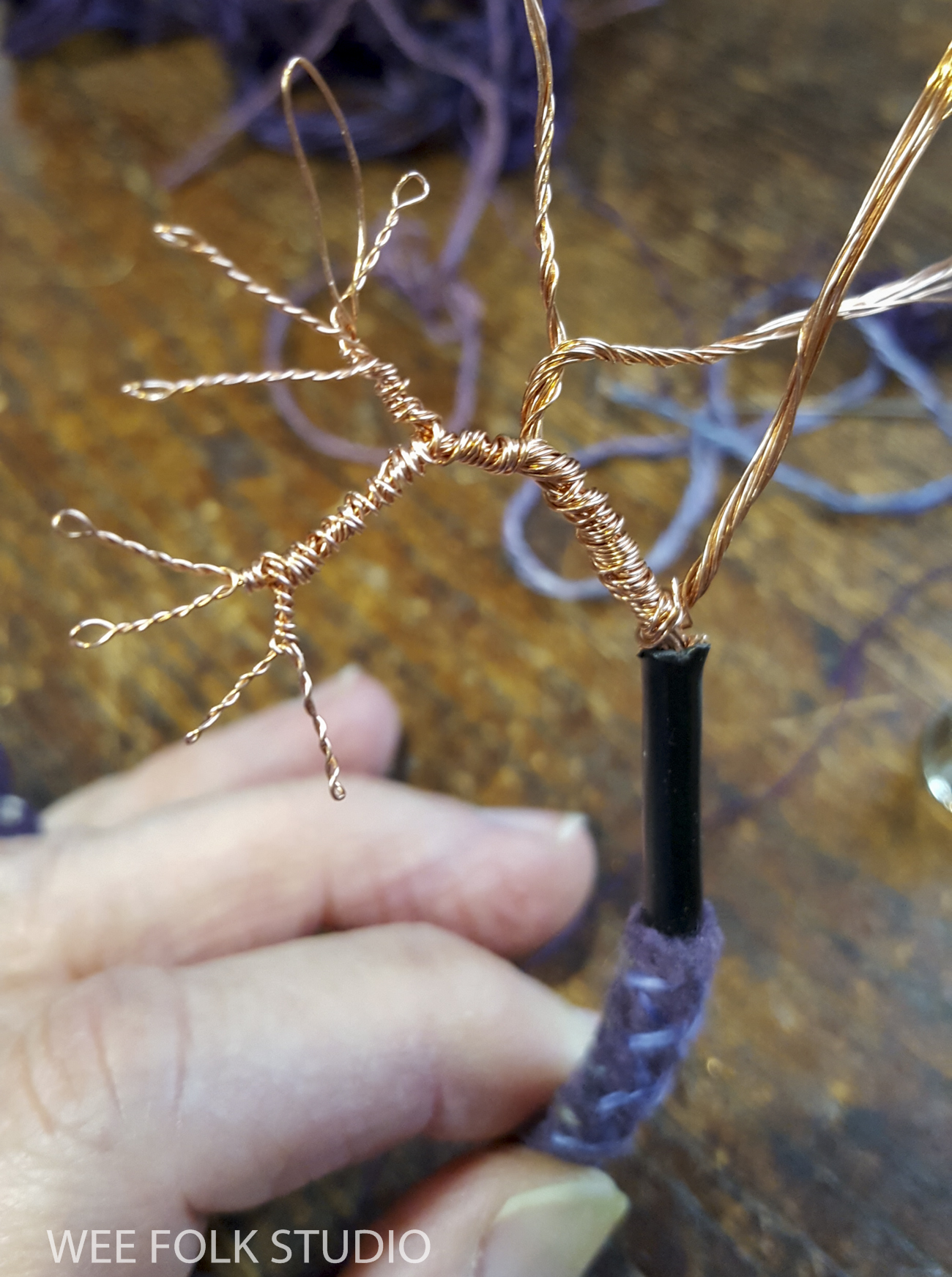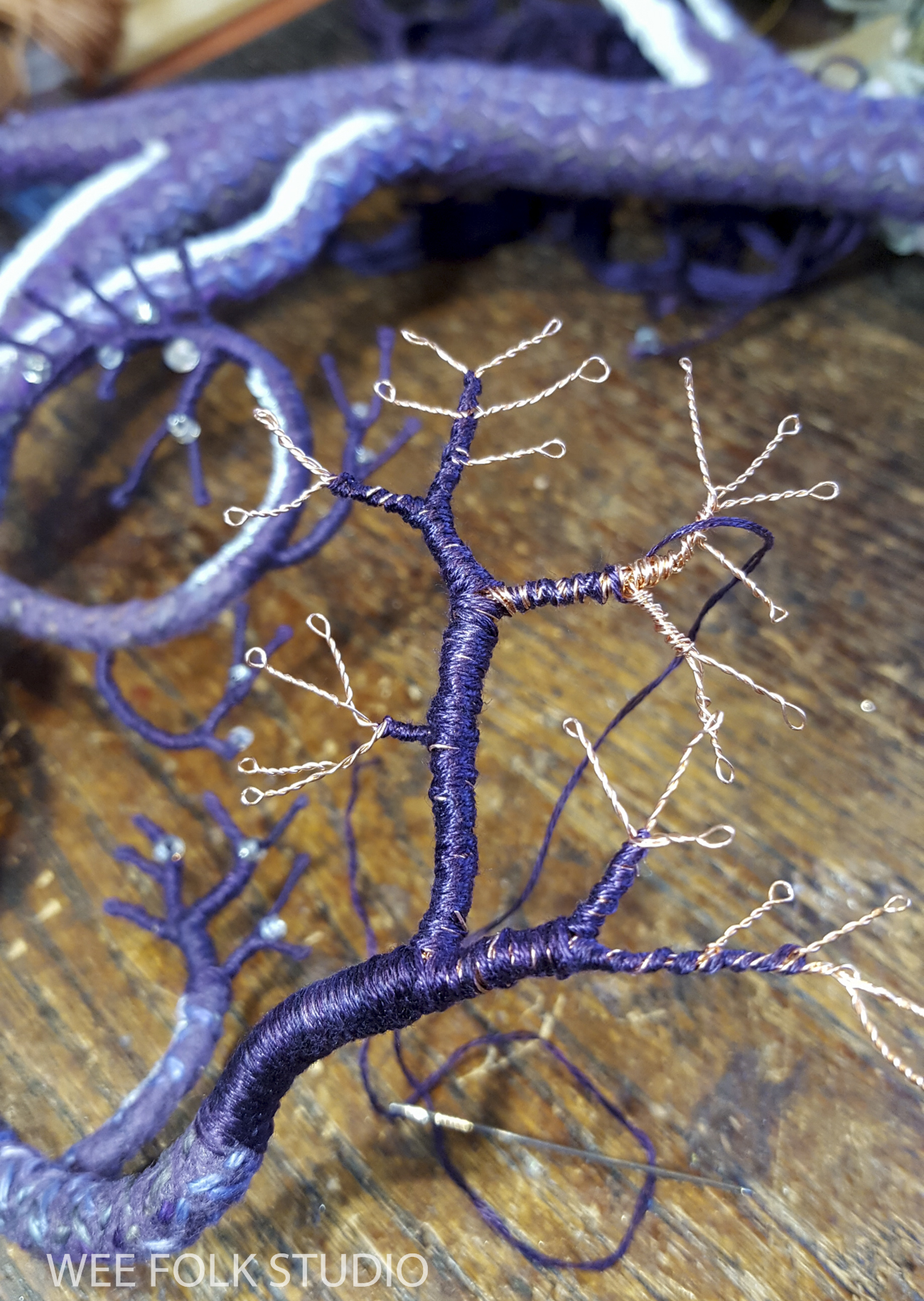
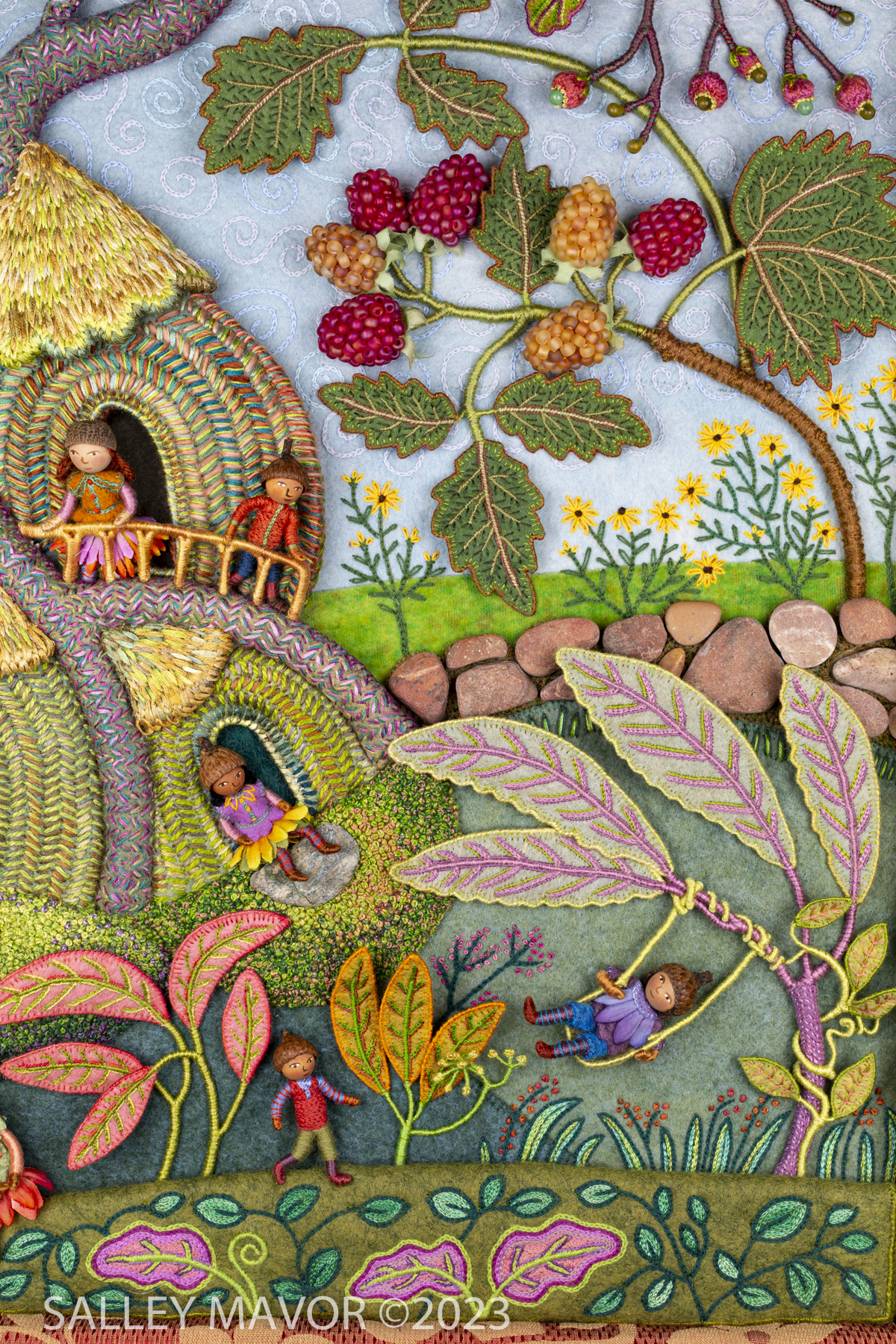
Summertime: Part 8 – stitching flora

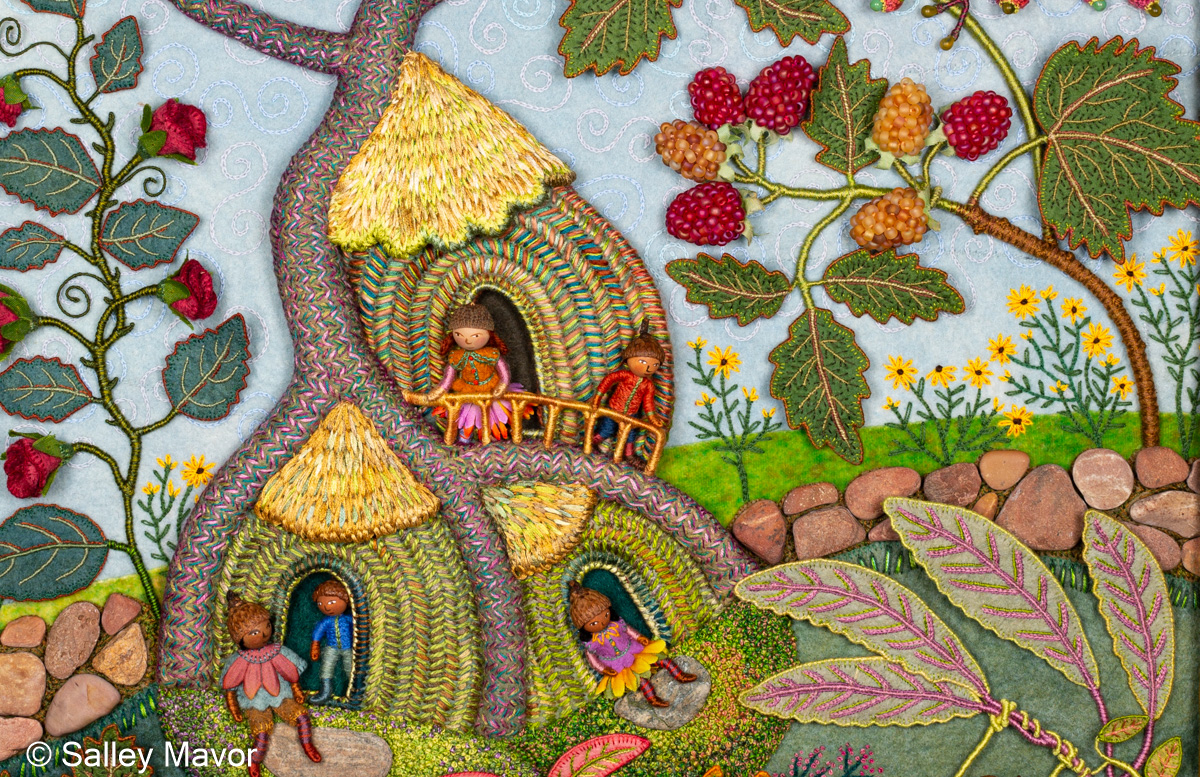
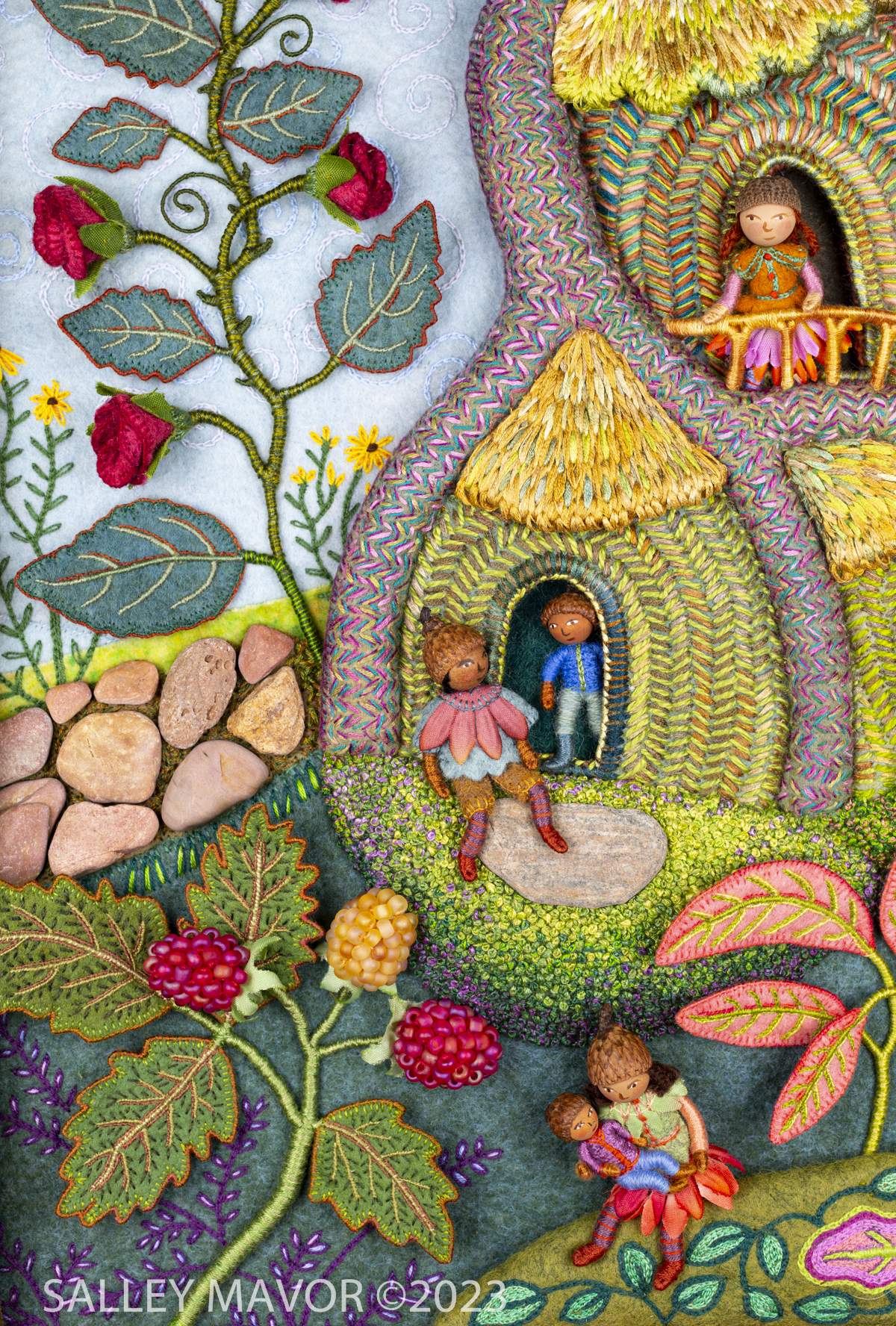
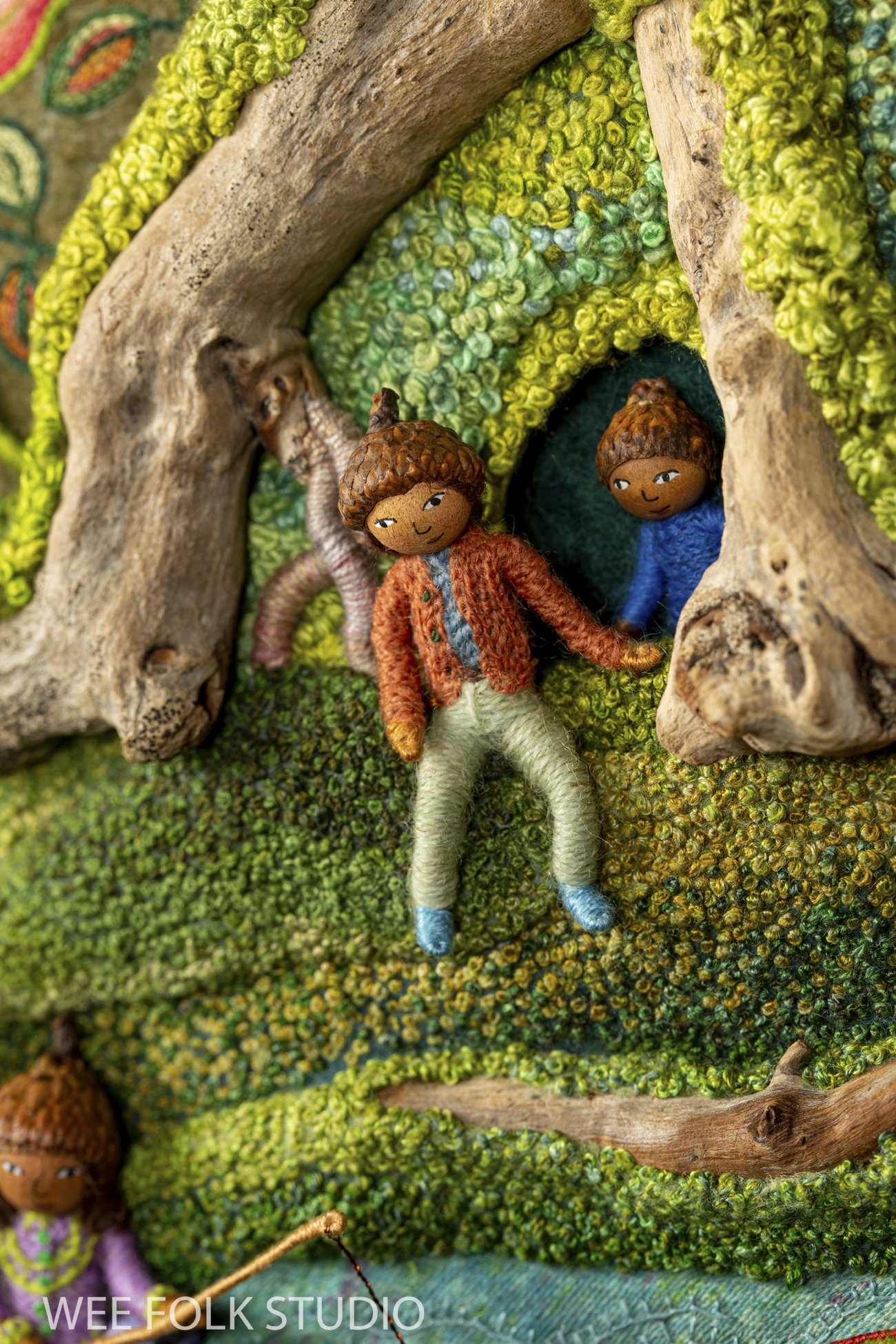
In Part 8 of the series about Summertime, I share photos and videos documenting the process of stitching flora. So far, I’ve written an overview of the piece, Part 1 – Tree Trunks, Part 2 – Tree Houses, Part 3 – leaves, stems & branches, Part 4 – Baltimore Oriole (body), Part 5 – Baltimore oriole (head and feet), Part 6 – rose vine, and Part 7 – raspberry plants.

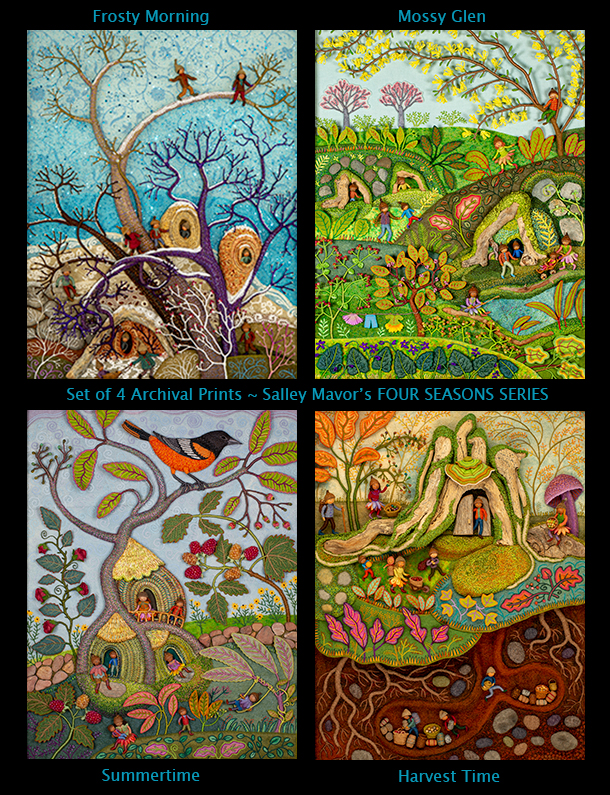
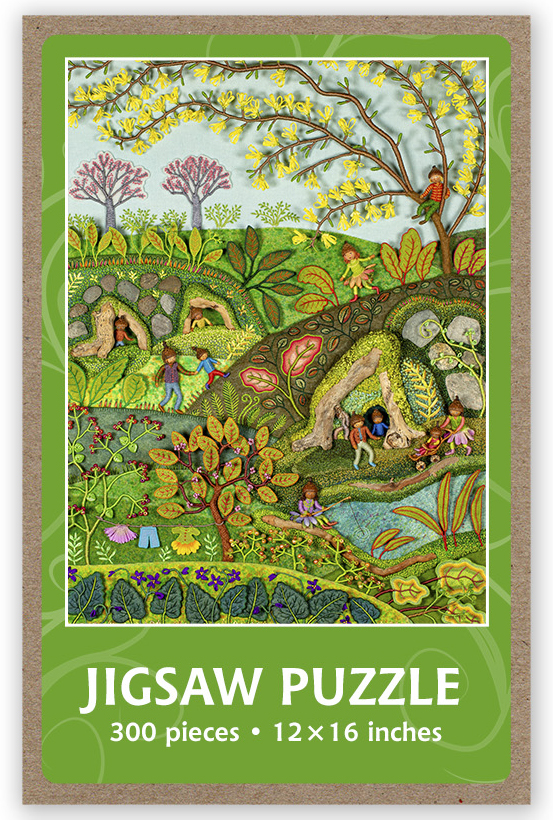
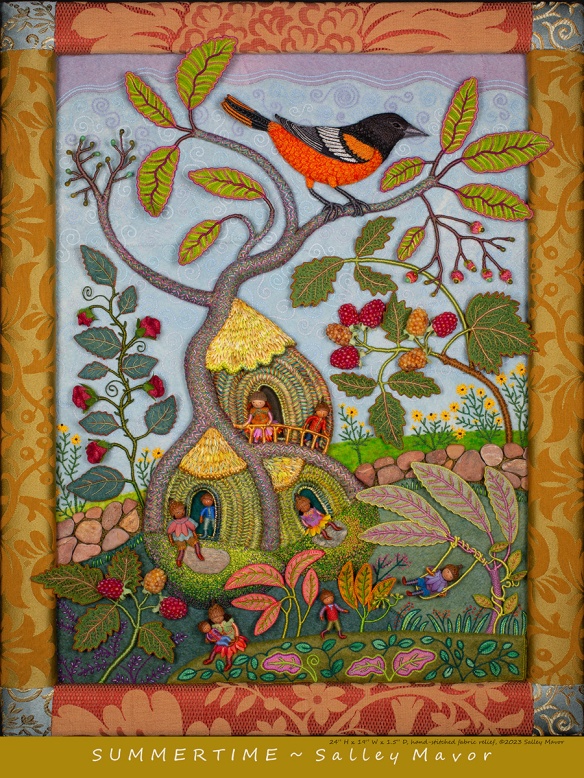
Summertime is the summer scene in a series of four seasonal landscapes that capture the wonder and magic of the natural world. Posters, note cards, prints, bookmarks, and jigsaw puzzles of Summertime and the other scenes in the series (Frosty Morning, Mossy Glen and Harvest Time) are available in my Etsy Shop.

See the Four Seasons Series and dozens of other works in my exhibition, To Every Season: Works by Salley Mavor at the New England Quilt Museum, Sept. 9 – Dec. 31, 2025.The show includes recent work, as well as rarely seen early pieces on loan from private collections.
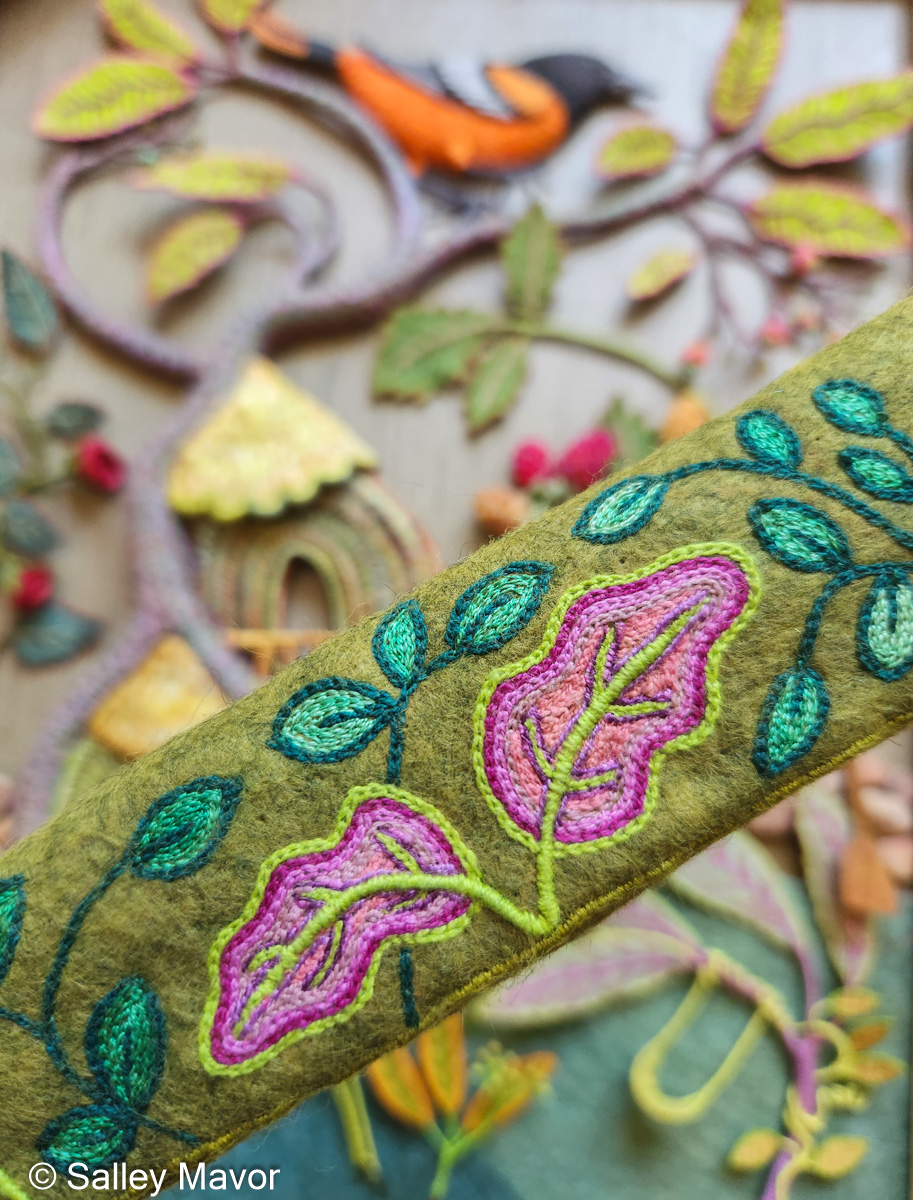
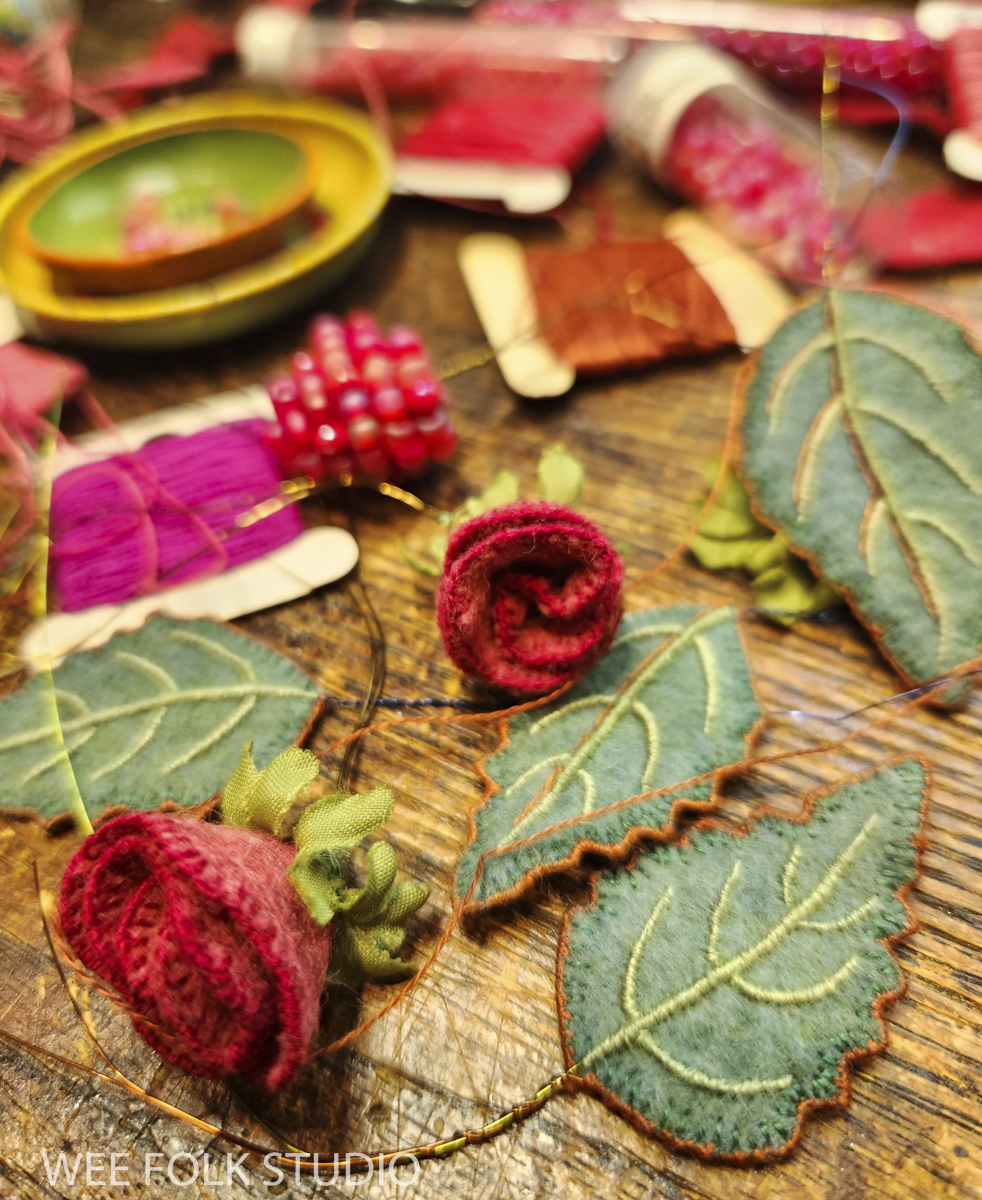
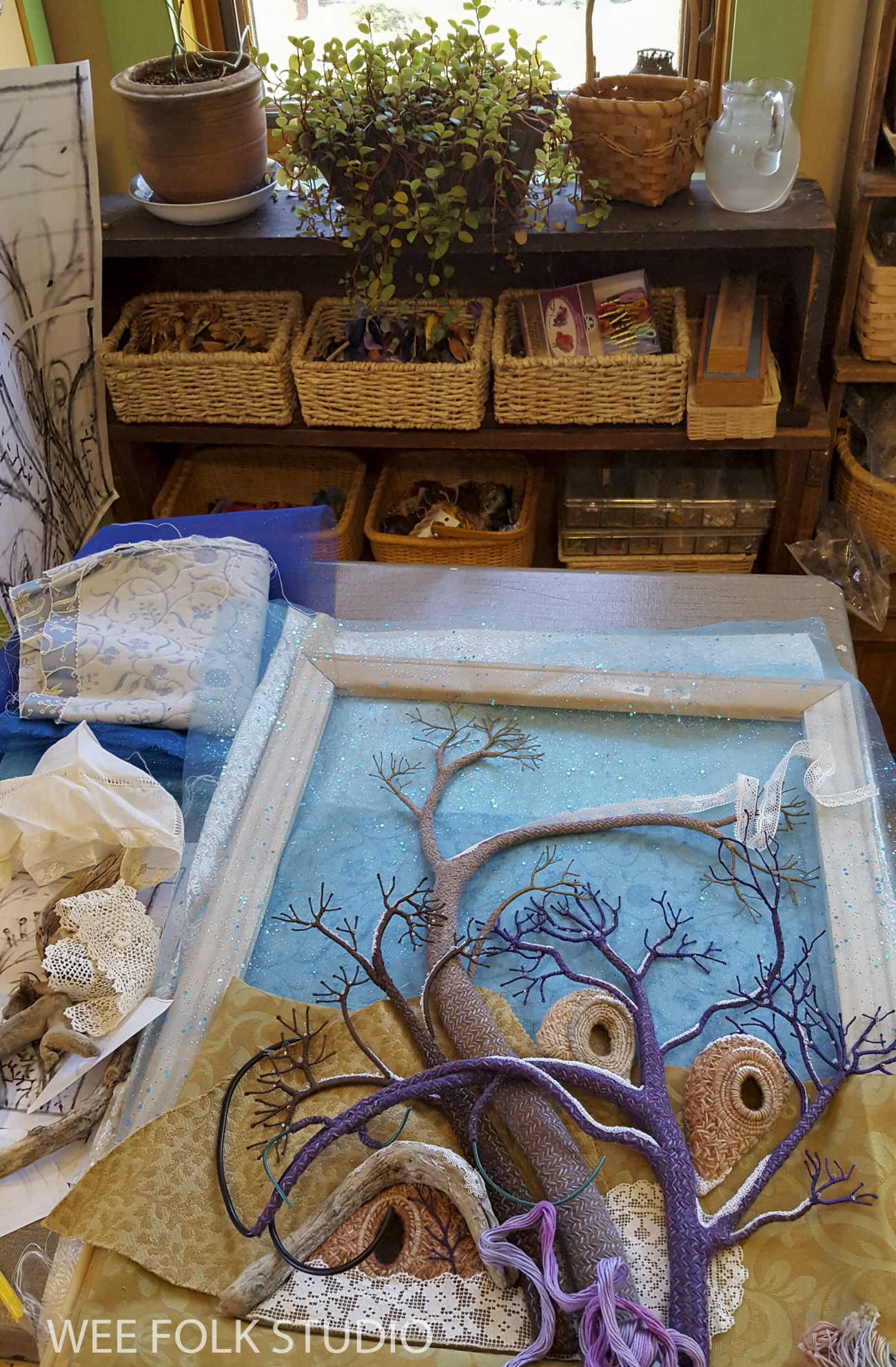
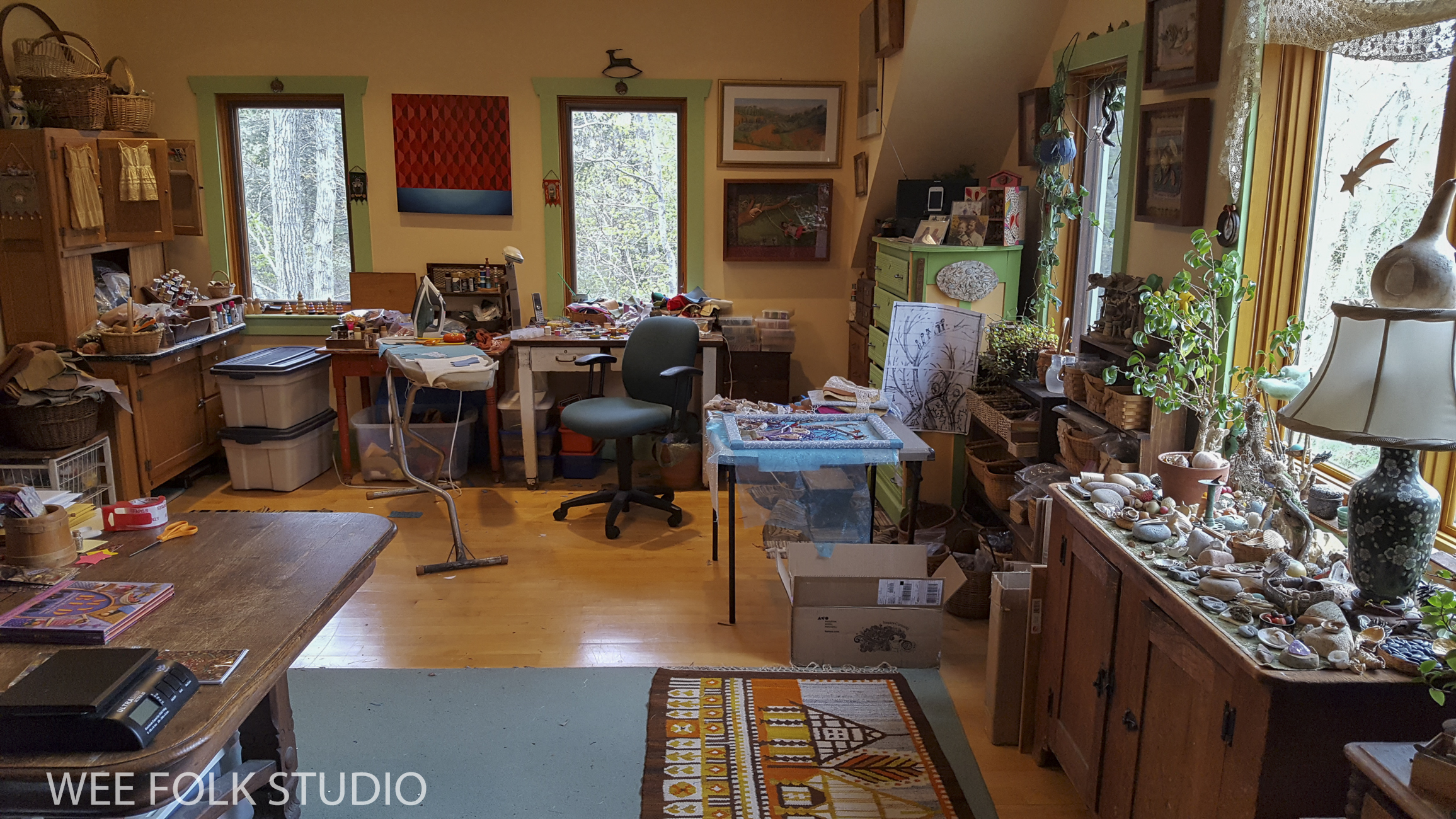
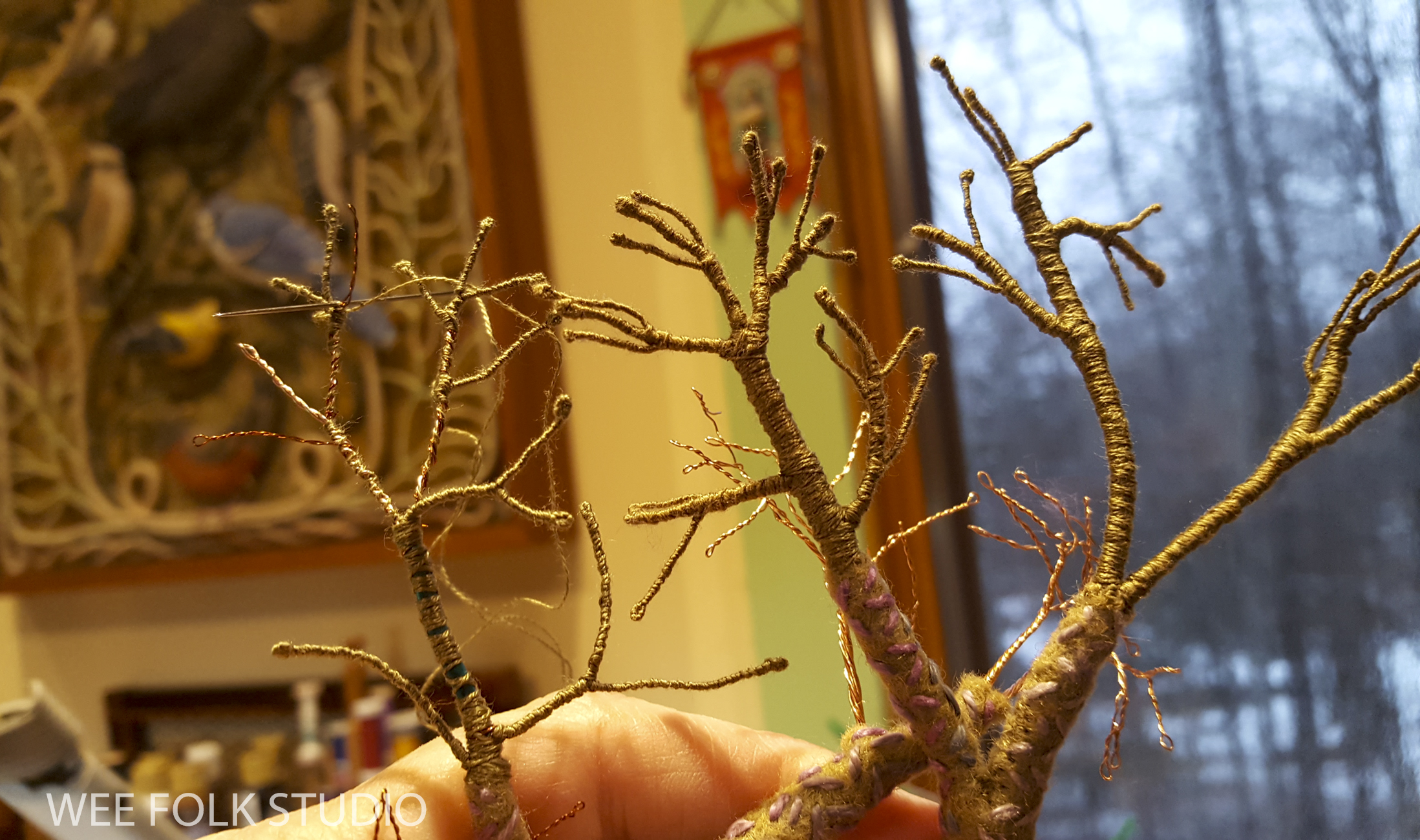
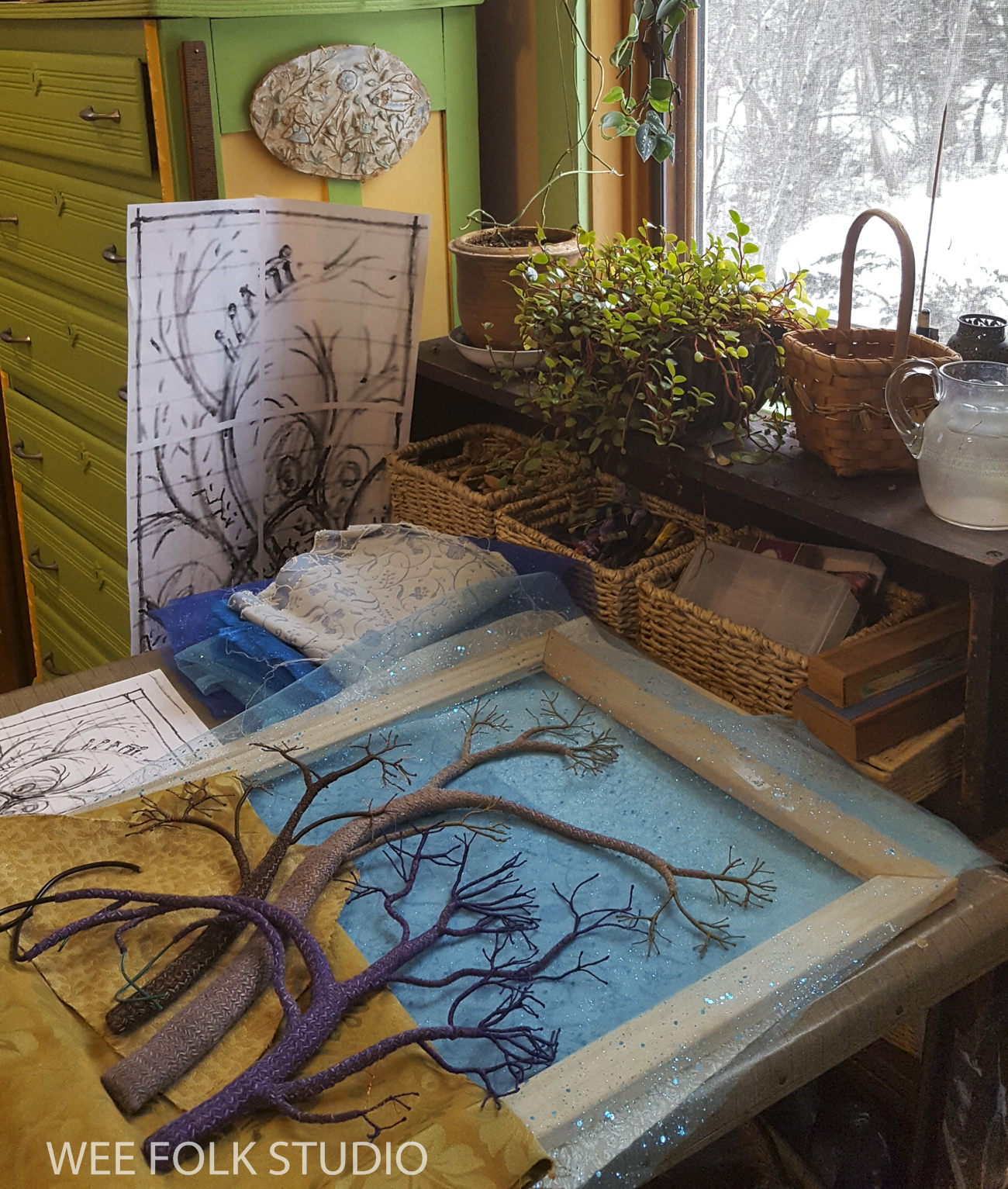
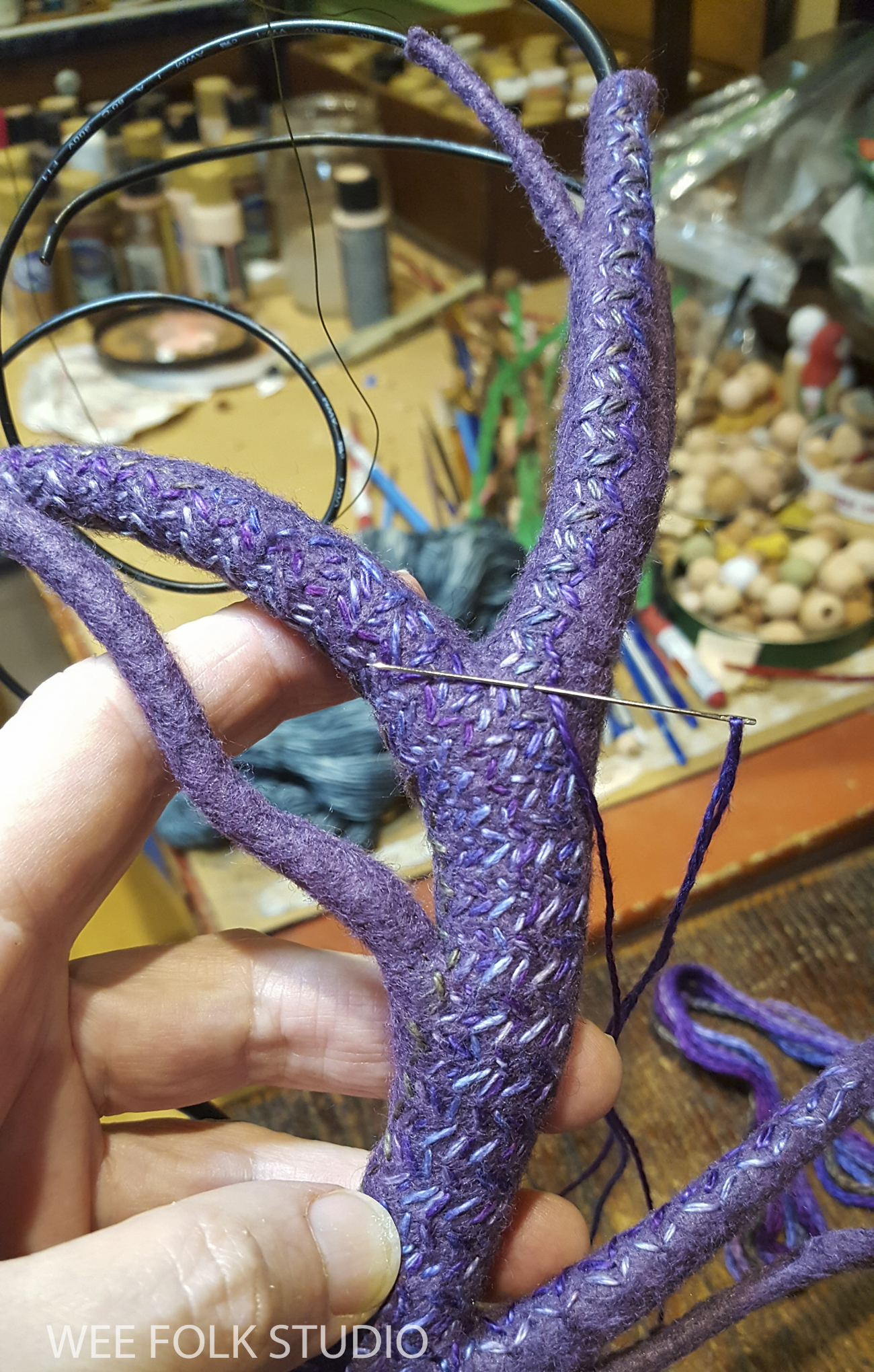
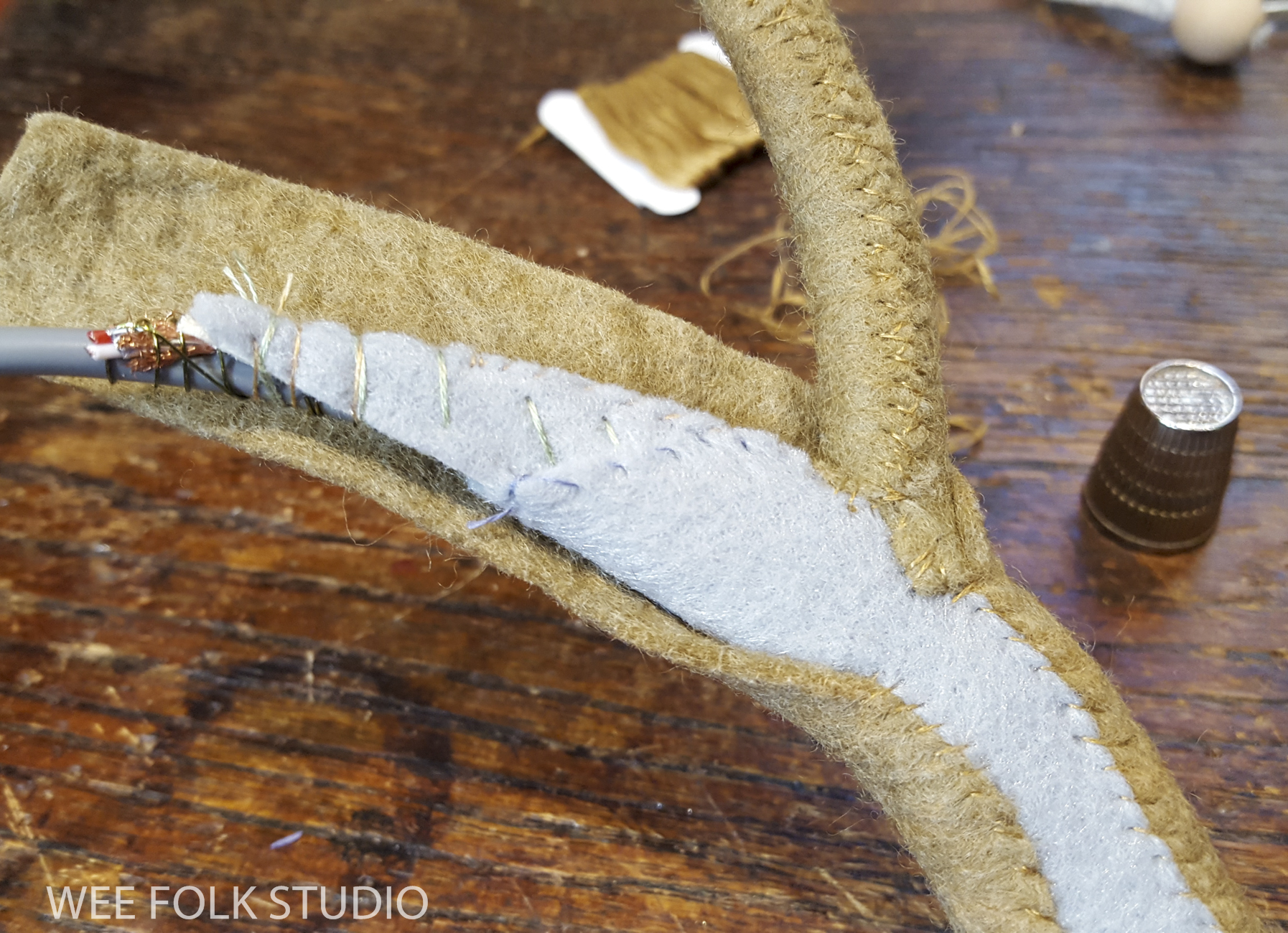
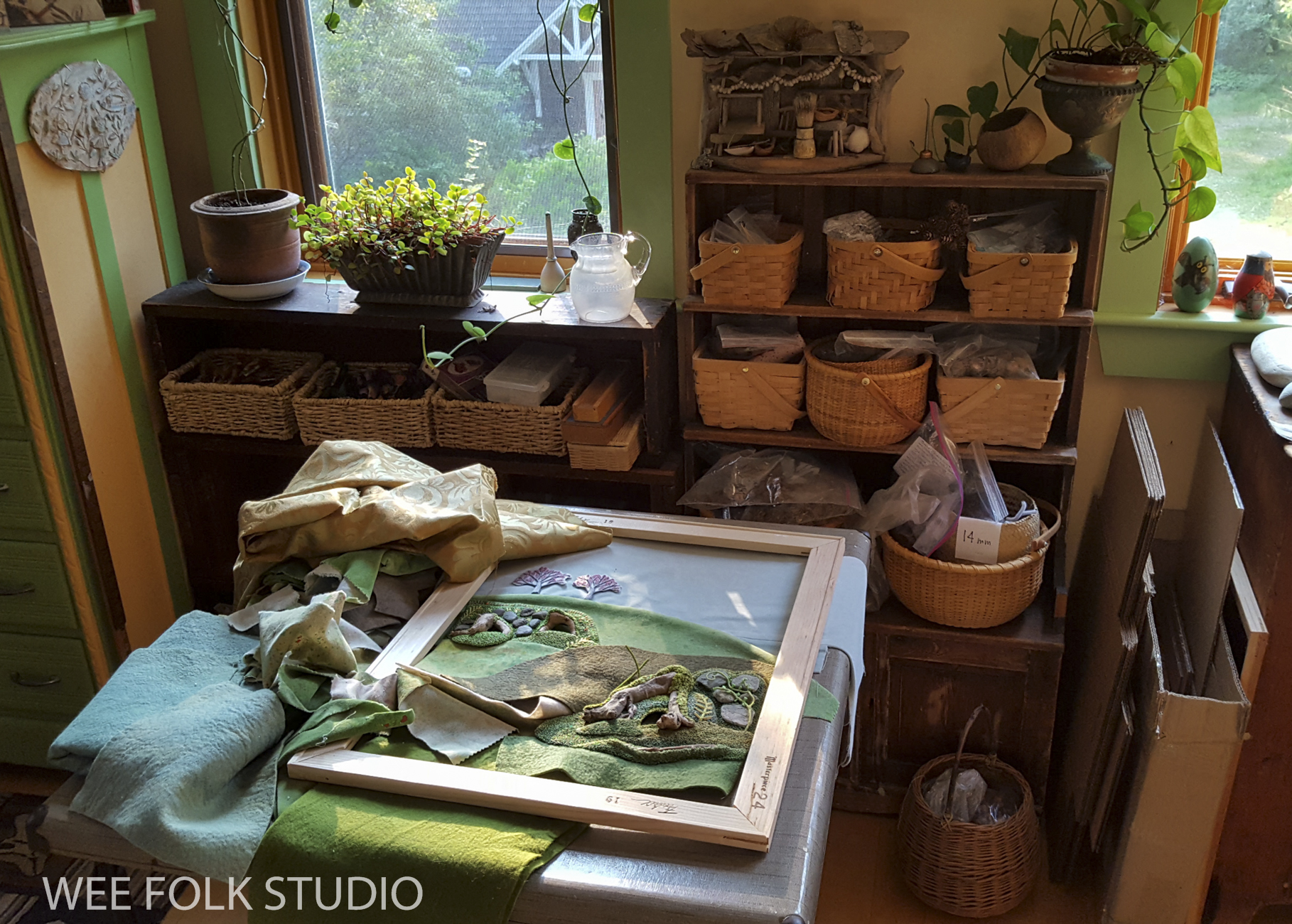
Towards the end of the project, after months of constructing most of the 3-dimensional parts of the scene, I was ready to zero in and add embroidered leaves and flowers where they were needed. In the following video, you can see how I spread out on different work tables in my studio. Every horizontal surface was full of materials and tools, as well as the bits and pieces I’d finished making.

To do the stitching, I require very few things – a piece of felt, a needle, thread, and a thimble. And good lighting, of course. And closeup glasses. No hoop, no cumbersome magnifying equipment and no fancy needles or scissors.

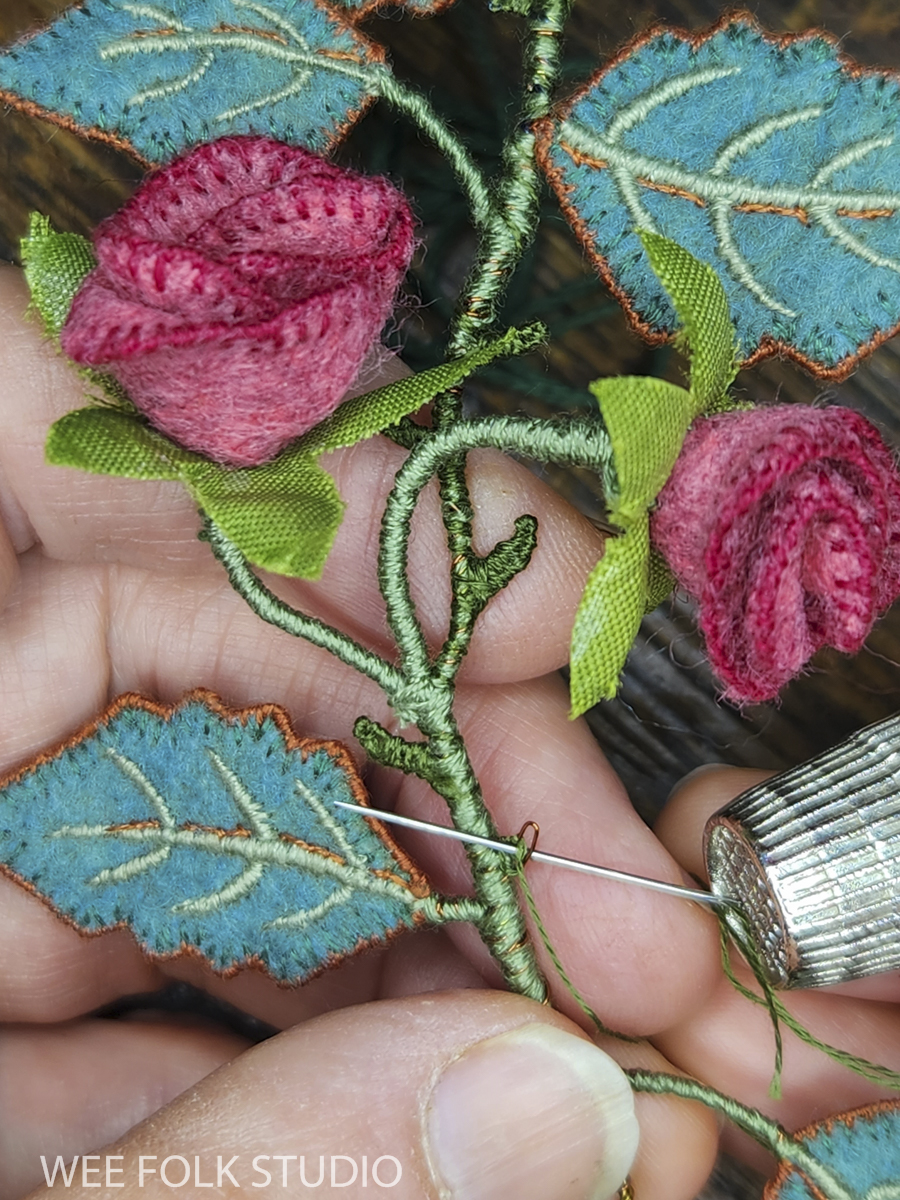
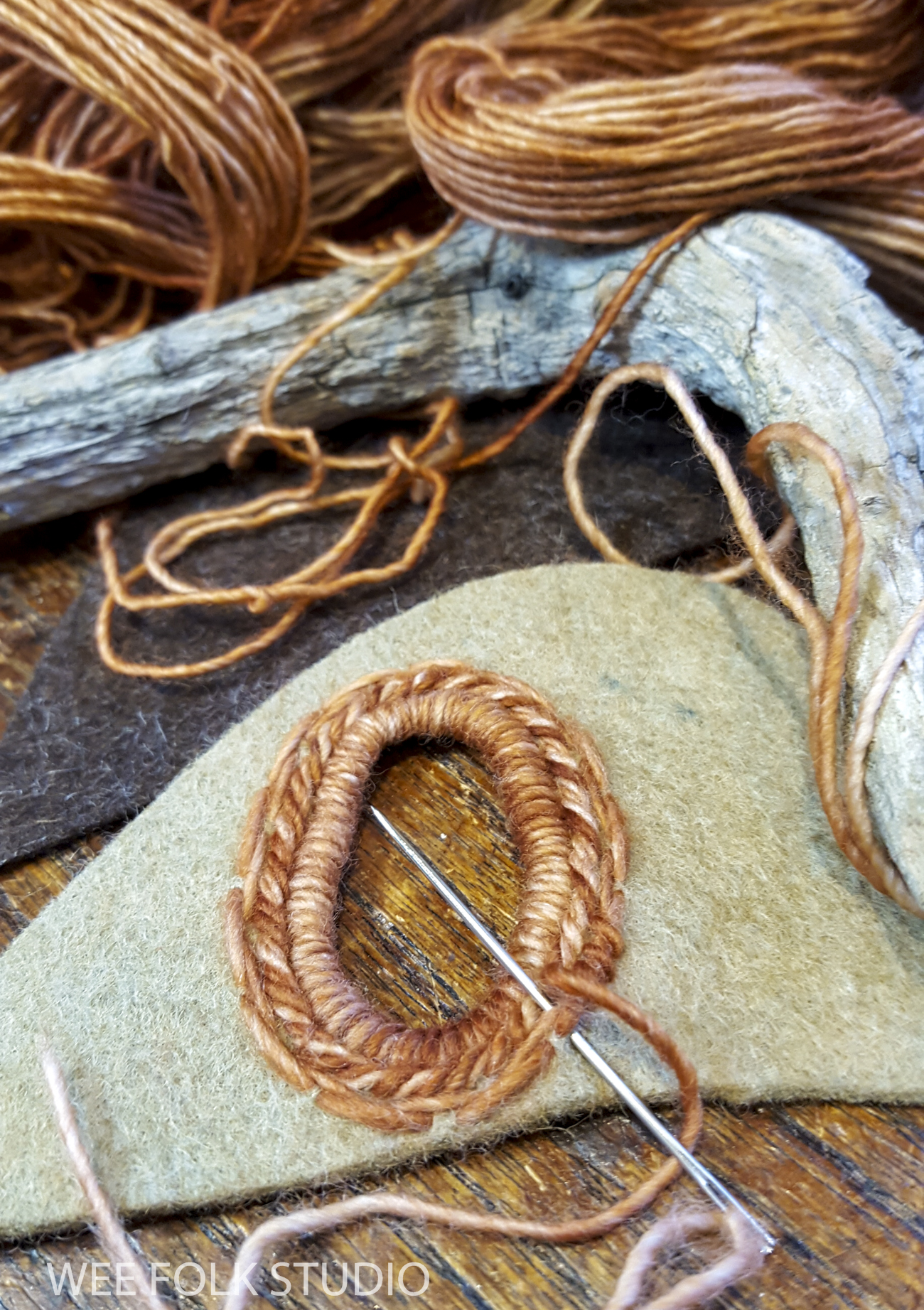
It was almost impossible to draw markings on this fuzzy wool felt, even with chalk. So, I mostly worked freehand and removed the stitched red guide lines later in the process. I used DMC cotton flower thread, which is thicker and bolder than embroidery floss. In this video, watch how I chain-stitched leaves and added Parawire stems on top.

Chain-stitching these leaf shapes was as soothing as filling in a coloring book.

I added patches of black-eyed susans to open areas of blue sky below the raspberries and above the stone wall (coming in part 9).

In other open areas, I chain-stitched blades of grass, dotted with little French knot flowers.

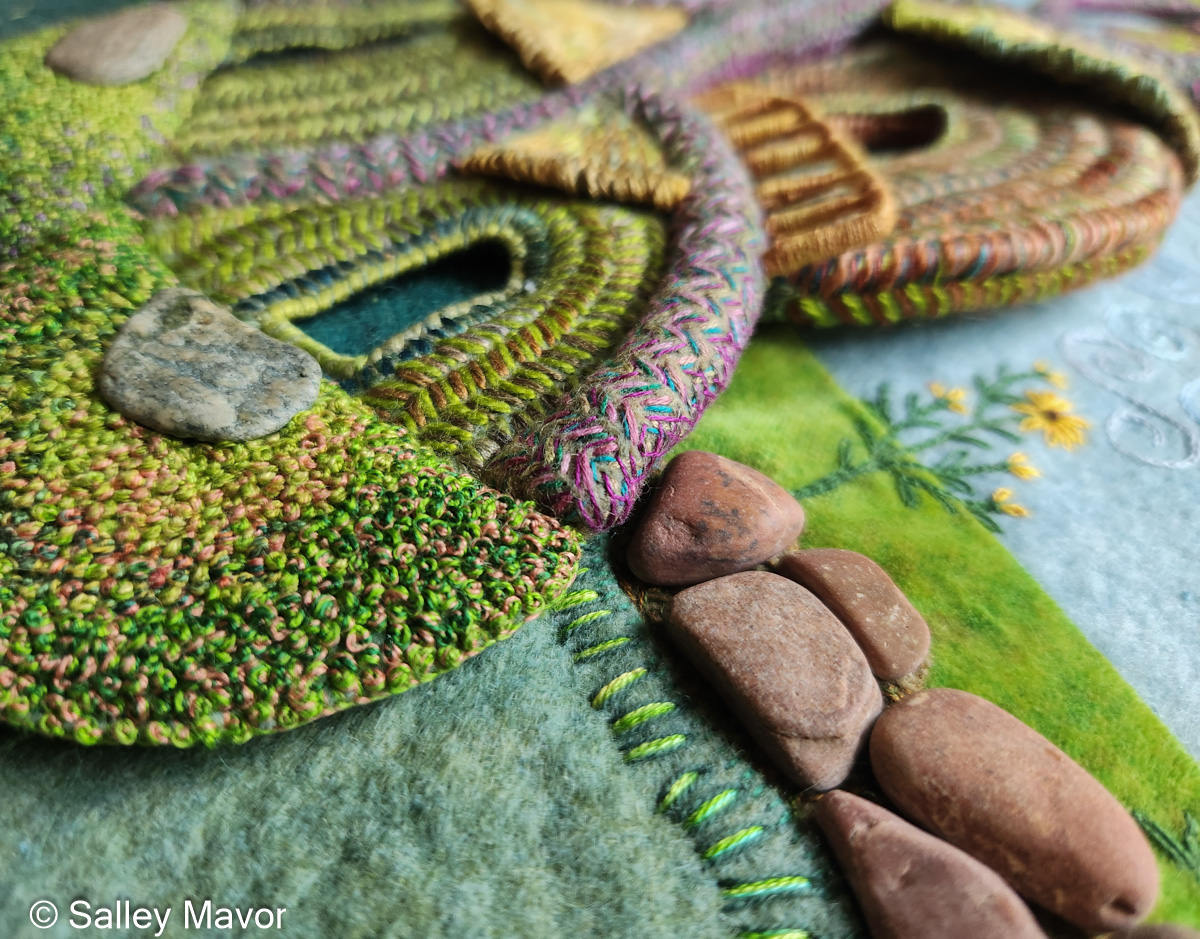
I was nearing the end of the project, which meant that it was time to tackle the border. I got out my stash of upholstery fabric and tried out different color combinations. Red and gold popped out at me; they contrasted with the blue sky and brought out the color of the raspberries. I padded the wooden stretchers with cotton quilt batting and sewed the upholstery fabric around the frame, which created a shallow box to fill with all of the parts.

Stay tuned for Part 9, where I’ll share photos and videos documenting the process of stitching moss and the sky, and building the stone wall in Summertime.
To keep up with new posts, please subscribe to this blog. Your contact info will not be sold or shared. If you’d like to see more frequent photos tracking the projects in my studio, please follow me on Facebook, Instagram and BlueSky.

Summertime: Part 7 – raspberry plants

In Part 7 of the series about Summertime, I share photos and videos documenting the process of making the raspberry plants. So far, I’ve written an overview of the piece, Part 1 – Tree Trunks, Part 2 – Tree Houses, Part 3 – leaves, stems & branches, Part 4 – Baltimore Oriole (body), Part 5 – Baltimore oriole (head and feet), Part 6 – rose vine, Part 8 – stitching flora, and Part 9 – moss, sky and stone wall.

Summertime is the summer scene in a series of four seasonal landscapes that capture the wonder and magic of the natural world. Posters, note cards, prints, bookmarks, and jigsaw puzzles of Summertime and the other scenes in the series (Frosty Morning, Mossy Glen and Harvest Time) are available in my Etsy Shop.

See the Four Seasons Series and dozens of other works in my exhibition, To Every Season: Works by Salley Mavor at the New England Quilt Museum, Sept. 9 – Dec. 31, 2025.The show includes recent work, as well as rarely seen early pieces on loan from private collections.

RASPBERRIES
The idea to add raspberries came late in the process, months after I’d begun stitching and constructing the piece. I was inspired by our new raspberry patch, which was producing the most succulent fruit I’d ever grown. The raspberries practically begged to be featured in the summer scene! My original design included flowers, but I was much more excited about making raspberries.

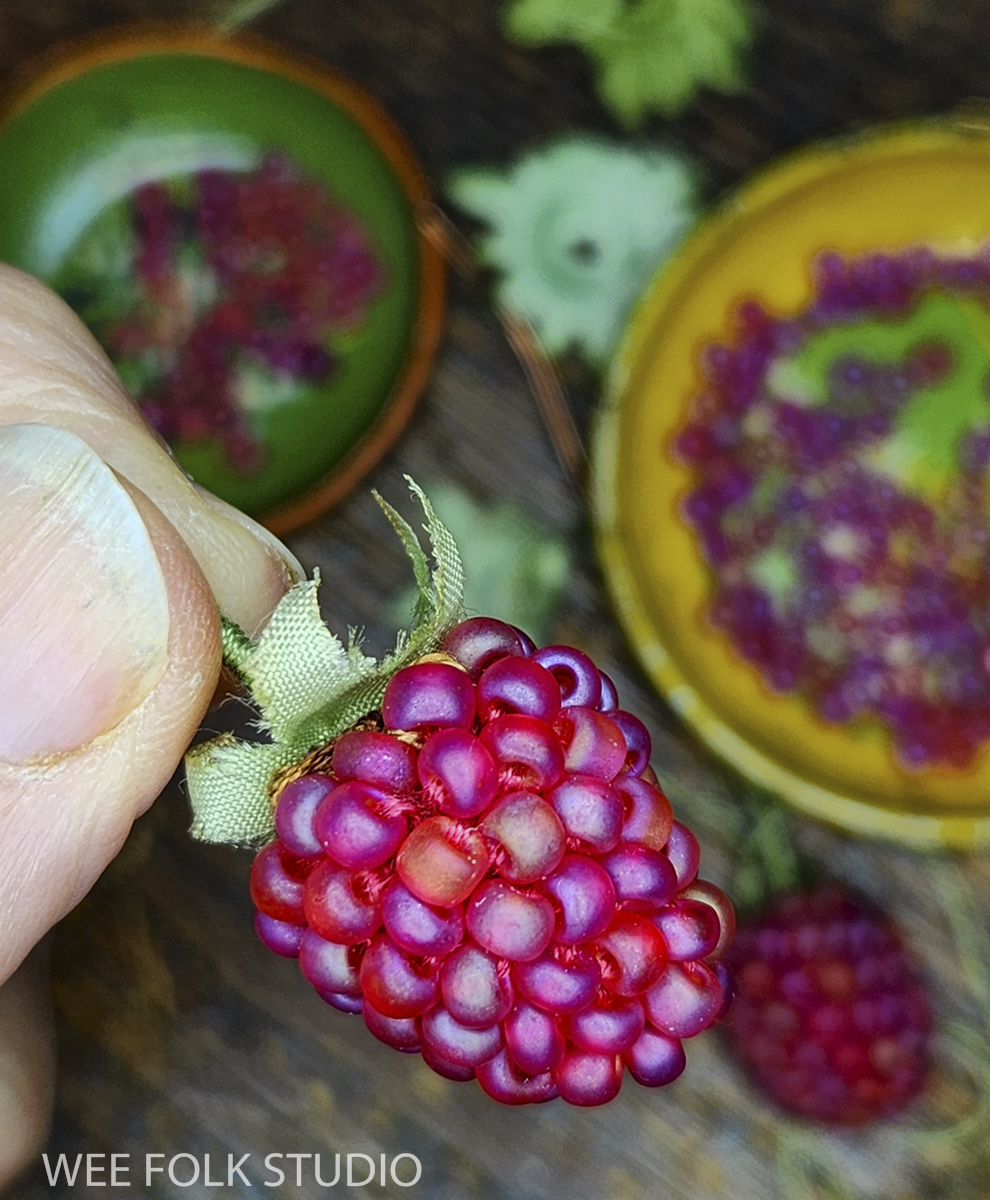
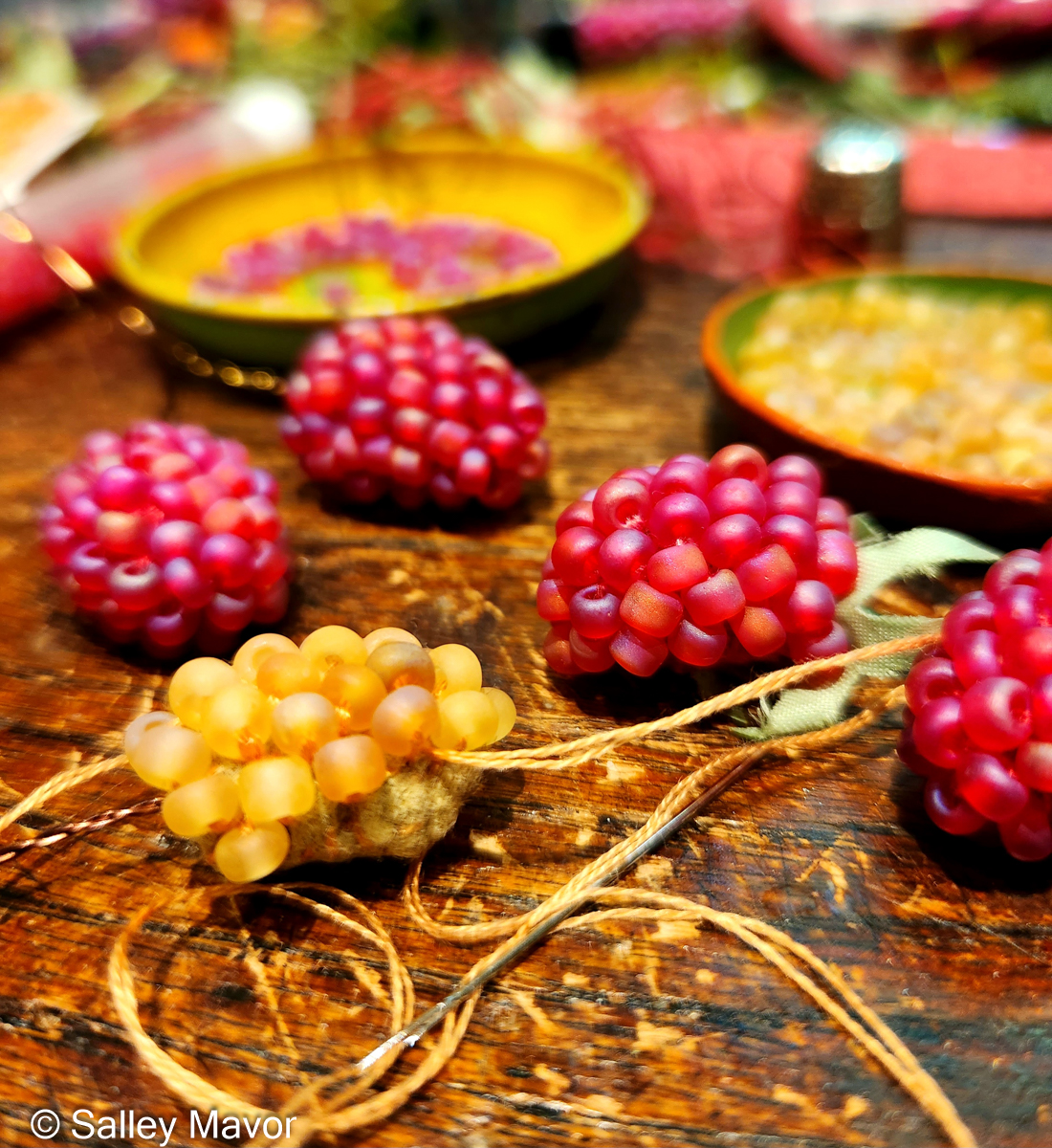
Now came the fun part, where I examined raspberries, both real and in photos, imagining how to replicate them with stitching and found objects. I searched through my stash and found some frosted glass beads that were just the right shade of reddish pink. The goal wasn’t to reproduce exact copies, but to make the imitation raspberries look even more scrumptious than real ones. The following video demonstrates how I made the felt core, sewed on the beads, and wrapped the stem with embroidery floss.

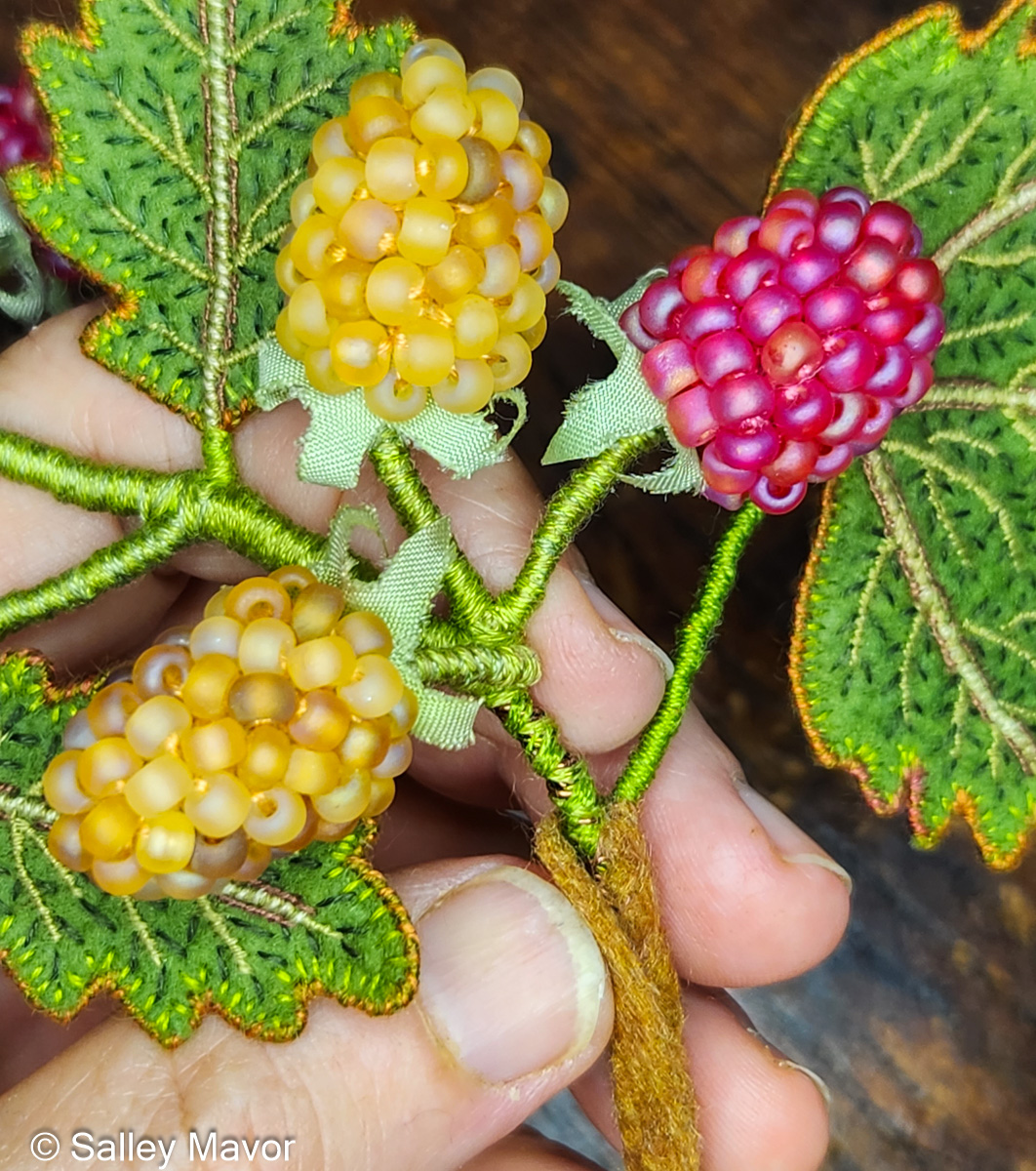
My supply of beads was limited, so I conserved them by covering just the top and sides of the felt core, leaving a bare back that could more easily be sewn to the background fabric. When I ran out of red beads, I used yellow ones to make more raspberries.

RASPBERRY LEAVES
Looking closely, I noticed that raspberry leaves were quite complex, with fine saw-like teeth that would be hard to replicate in felt. I ended up making a stylized version that was as pointy as I could get.

The following video shows how I sewed wire around the outside edge and embroidered veins on a felt raspberry leaf.

Once there were enough berries and leaves, I linked them together with wire branches. Then, I covered the wire with embroidery floss.

This video shows how I twisted Parawire to make stems and branches and then wrapped the wire with embroidery floss.

This video shows how I covered the thicker bottom branches with a strip of brown felt.

This project is a clear example of the importance of flexibility in my working process. There’s a reason that I steer away from textiles and needlework that involve grids, graphs or patterns. In the beginning, I’m not so certain about how my art is going to develop. Sure, I start with a basic design and structure, but I like to keep a door open for change. In this case, raspberries showed up.

Stay tuned for Part 8, where I’ll share photos and videos documenting the process of stitching flora in Summertime.

To keep up with new posts, please subscribe to this blog. Your contact info will not be sold or shared. If you’d like to see more frequent photos tracking the projects in my studio, please follow me on Facebook, Instagram and BlueSky.
Summertime: Part 6 – rose vine

In Part 6 of the series about Summertime, I share photos and videos that document the process of making the rose vine. So far, I’ve written an overview of the piece, Part 1 – Tree Trunks, Part 2 – Tree Houses, Part 3 – leaves, stems & branches, Part 4 – Baltimore Oriole (body), and Part 5 – Baltimore oriole (head and feet). Part 7 – raspberry plants, and Part 8 – stitching flora.

Summertime is the summer scene in a series of four seasonal landscapes that capture the wonder and magic of the natural world. Posters, note cards, prints, bookmarks, and jigsaw puzzles of Summertime and the other scenes in the series (Frosty Morning, Mossy Glen and Harvest Time) are available in my Etsy Shop.

See the Four Seasons Series and dozens of other works in my exhibition, To Every Season: Works by Salley Mavor at the New England Quilt Museum, Sept. 9 – Dec. 31, 2025. The show includes recent work, as well as rarely seen early pieces on loan from private collections.

ROSES
I learned how to make basic felt roses like these years ago from Mimi Kirchner’s blog. Mimi’s tutorial is available here. I love how deceptively simple the process is, starting with a circle of felt and folding it like origami to make a rose shape. Watch the following video to see how I finished off the raw felt edges with blanket stitching and folded the circle to make a rose.

Felt Rose

LEAVES
To cut out the sharp-toothed edge around the rose leaves, I used pinking shears. The following video shows how I stitched wire around the outside of a felt leaf and embroidered its stem and veins.

Felt Rose Leaf

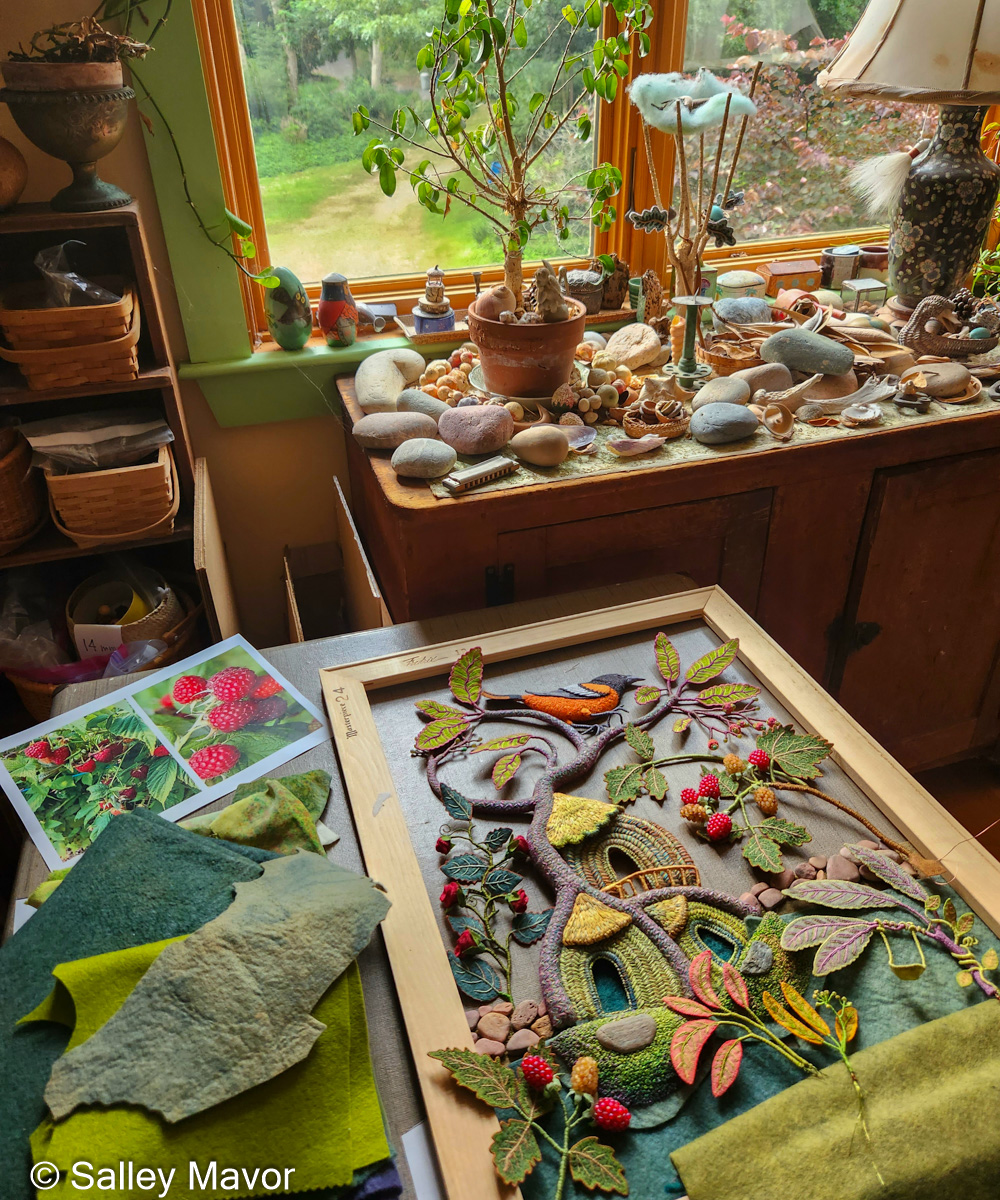
I twisted wire to make a central vine and added the roses, leaves, thorns, and curly tendrils. Besides felt and embroidery floss, the most common material in my artwork is wire. Felt alone is too floppy and needs structural supports. I used Parawire in a range of gauges, from 24 to 32, to build up the thickness and strength I wanted.

The last step was disguising the shiny metallic wire with embroidery floss. Part 3 in this series includes videos of wrapping wire stems and branches on other foliage in the Summertime piece. I wound 1 or 2 strands of floss around and around the stems until the surface was evenly covered. It was a bit tricky to make the thorns look sharp!

Stay tuned for Part 7, where I’ll share photos and videos documenting the process of making the raspberry plants in Summertime. To keep up with new posts, please subscribe to this blog. Your contact info will not be sold or shared. If you’d like to see more frequent photos tracking the projects in my studio, please follow me on Facebook, Instagram and BlueSky.
Mossy Glen: Part 1 (moss)

Wouldn’t it be nice to step out your front door onto a mossy carpet every morning?  In this Part 1 of the series about making Mossy Glen, I share photos, videos and commentary about how I created just that for the wee folk who live there.

Mossy Glen is the spring scene in a series of seasonal landscapes that capture the wonder and magic of the natural world. Note cards, prints, bookmarks, and jigsaw puzzles of Mossy Glen and the other scenes in the series (Frosty MorningHarvest Time, and Summertime) are available in my Etsy Shop.

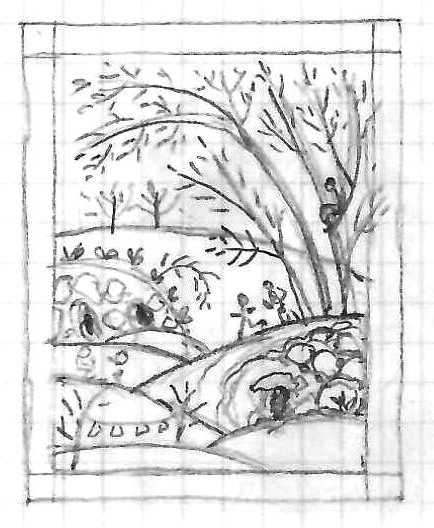
I always start a project with an image in my head. In this case it included a forsythia bush overhanging a neighborhood made up of stone walls and doorways nestled into moss covered mounds. I drew a thumbnail sketch of the basic composition and printed it out in full scale using Block Posters. Over the 5 months working on Mossy Glen, I used the enlarged drawing as a general guide, not as an exact template.

Faux Moss
About 10 years ago, I fell in love with stitching moss while making my piece Rabbitat, which you can learn about in this film.

Rabbitat 2011

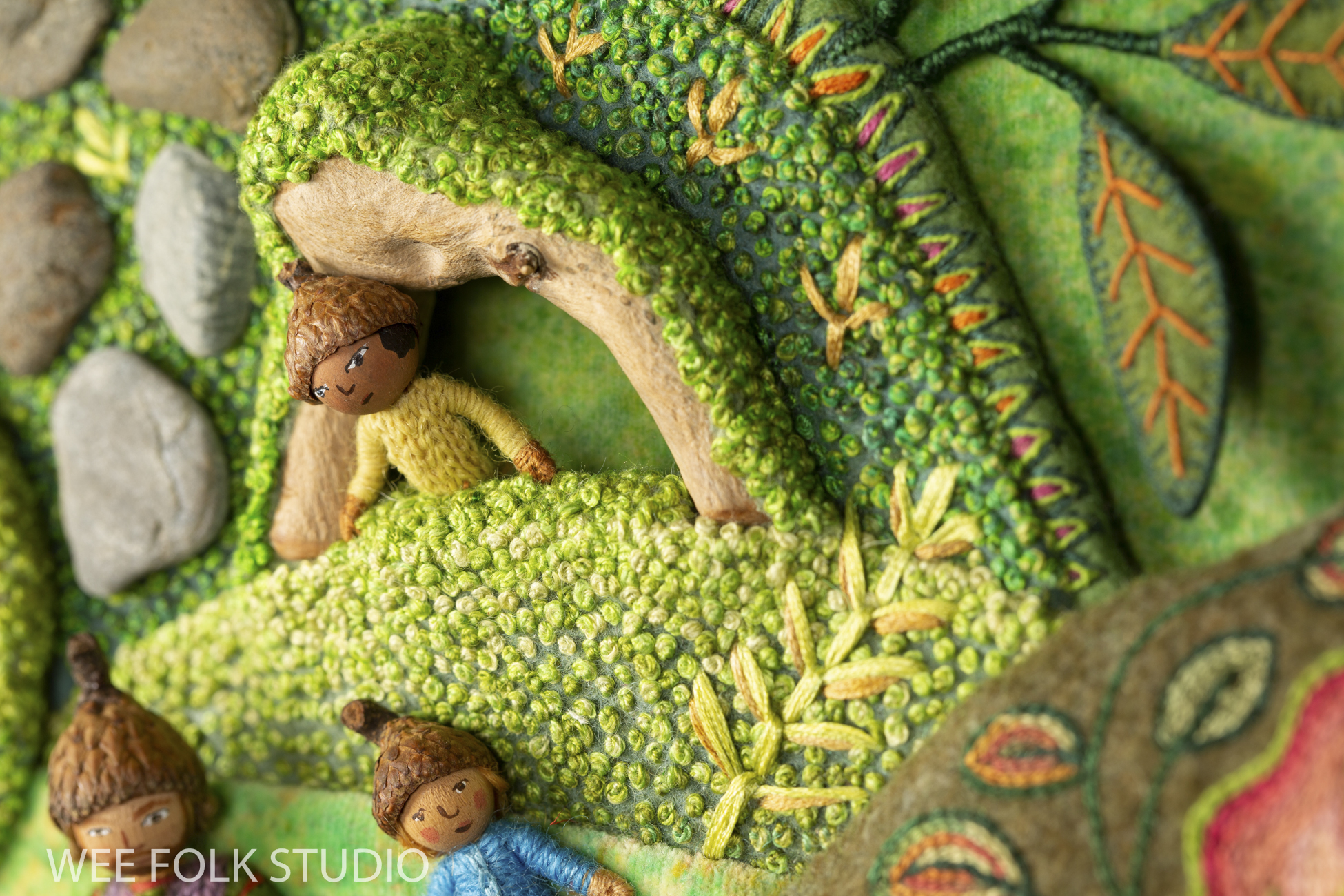
I can’t believe it’s taken so long to get back into embroidering moss. The simple idea of stitching multiple French knots side by side to form a naturalistic ground cover isn’t a new concept, but it reached a heightened level of obsession with Mossy Glen. It’s one of those repetitive activities that has you totally mesmerized.

Out of curiosity, I calculated that each square inch of faux moss contains an average of 144 knots, depending on the thickness of the thread, number of strands and the density of the stitches. That means that Mossy Glen is covered with several thousand knots.

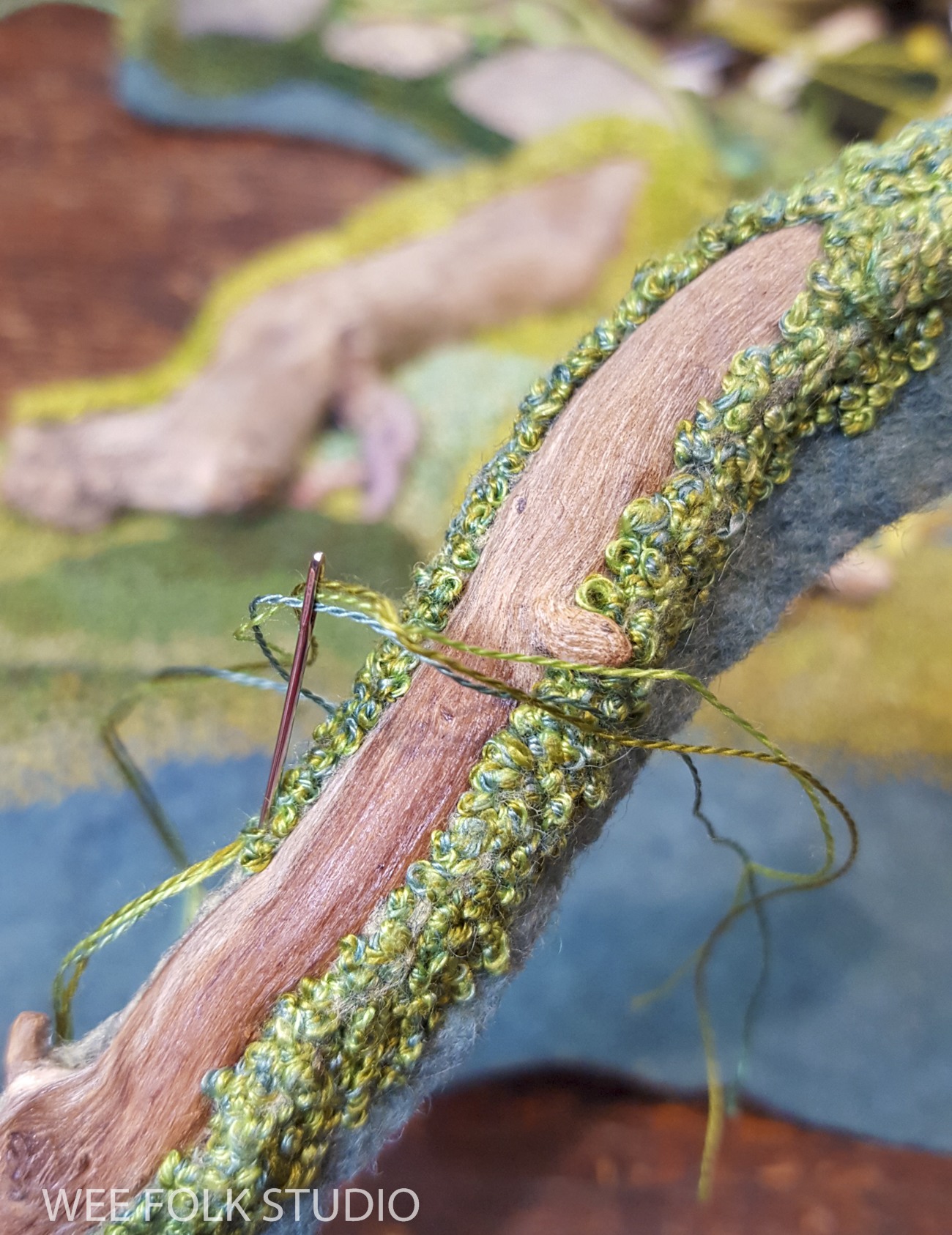
If you follow me on Facebook and/or Instagram, you’ve gotten a preview of the process of making Mossy Glen. Last summer I shared photos and videos of whatever part I was working on that particular day. One constant question was, “How do you stitch on wood?” Back then, I was immersed in the act of creating and didn’t want to switch on the explaining part of my brain. Now, I’m ready to talk about it.
So, how do I stitch onto wood? It helps to think of art is an illusion, that the goal is to make the viewer perceive something in a way that suspends disbelief, like magic. The thing is, people who make stuff are super curious and aren’t satisfied until they can make sense of how something is done.

Here’s the simple rundown – 1. find interesting pieces of wood, 2. glue pieces of felt to the wood, 3. stitch onto the felt. As long as there is something to catch a needle with, you can make stitches. I usually shy away from using glue because it’s messy and unpredictable, but decided to try it for this purpose. Aleene’s glue makes a variety of fabric embellishing adhesives that all work well. Do I use hot glue? No, because it’s stringy, messy, shoddy looking and I don’t trust its holding capabilities.

French knots/Colonial knots
It’s been pointed out by people who know such things, that I’m actually making a Colonial knot, not a French knot. It has something to do with the twist at the end. Being self-taught, I’ve never paid attention to the names of different stitches or doing them the “right” way. I just use the basics in combinations that work for me. Here’s a Stitch Minute video that shows how I stitched the knots.
Stitch Minute – Moss

Thread
To make the moss, I used all kinds of thread, from silk to cotton floss, depending on what kind of look I was after. The naturalistic appearance comes from combining different shades of green in groups of 3 or 4 strands. I used these threads: DMC cotton floss, Vineyard Silks and Watercolours by Caron,

This 2 minute video gives a further glimpse into my process.

Stitching Moss with Salley Mavor

Stay tuned for more posts about making Mossy Glen. Future parts in the series will focus on the stone walls, the cherry trees, the forsythia bush, the embroidered embellishments and the wee folk characters.
Mossy Glen (overview)
Part 1 (moss)
Part 2 (cherry trees)
Part 3 (stone walls)
Part 4 (forsythia)

To keep up with new posts, please subscribe to this blog Your contact info will not be sold or shared. If you’d like to see more frequent photos tracking the projects in my studio, please follow me on Facebook and/or Instagram.

Mossy Glen overview

On this cold January day, I’d like to transport us all to springtime in the Mossy Glen. I began making this new piece in my 4 seasons series last May, just when light green buds started appearing on the maple trees. While I worked on it all summer and into the early fall, I took photos of different stages of the process. As with last year’s winter landscape, Frosty Morning, I will be posting several stories about how I created the different parts for Mossy Glen, from the plants and moss to the little characters frolicking about.

To do that, it’s going to take some adjustment on my part. First off, I’m going to have to turn on the explaining part of my brain, which has been dormant for quite a while. Writing this introductory post and sorting out which photos to include is a way to ease the transition from doing to talking about doing. While I’m in the middle of a project, I give myself over to whatever I’m envisioning and trust that it will work out. I solve each problem as it appears, always keeping the big picture in mind. I don’t try to explain the process, even to myself, for fear of dispelling the magic.

Mossy Glen is the spring scene in a series of seasonal landscapes that capture the wonder and magic of the natural world. Note cards, prints, bookmarks, and jigsaw puzzles of Mossy Glen and the other scenes in the series (Frosty Morning, Harvest Time, and Summertime) are available in my Etsy Shop.

Throughout the months that I was making Mossy Glen, I shared glimpses of my work table on Facebook and/or Instagram. Understandably, my followers were curious about how this or that was made. I gave brief and evasive answers, like “I’ll explain later when it’s finished.” and “Let’s just call it magic.” It’s a tease of sorts, but true to my experience. Now that the piece has been finished for a while, I’m free to go back and review the process with a more analytical eye.

There’s a lot to show and I’m still figuring out how to organize the parts. I’ll be sharing several Stitch Minute videos that give closeup views of me working on different sections of the piece.

I’ll be covering moss-making and stone wall building…

and forsythia blossoming…

and views of constructing the little figures living in the hillside.

I’ll show how I made the cherry trees…

and violets…

and even a mini clothes line.

Please stay tuned for more photos, videos and explanations in the coming weeks.
Part 1 (moss)
Part 2 (cherry trees)
Part 3 (stone walls)
Part 4 (forsythia)
Part 5 (felt and wire leaves)
Part 6 (stitched leaves)

Mossy Glen, Frosty Morning and Harvest Time jigsaw puzzles and note cards are available in my Etsy shop.

To keep up with new posts, please subscribe to this blog Your contact info will not be sold or shared. If you’d like to see more frequent photos tracking the projects in my studio, please follow me on Facebook and/or Instagram.

Frosty Morning: part 3 (shelters)

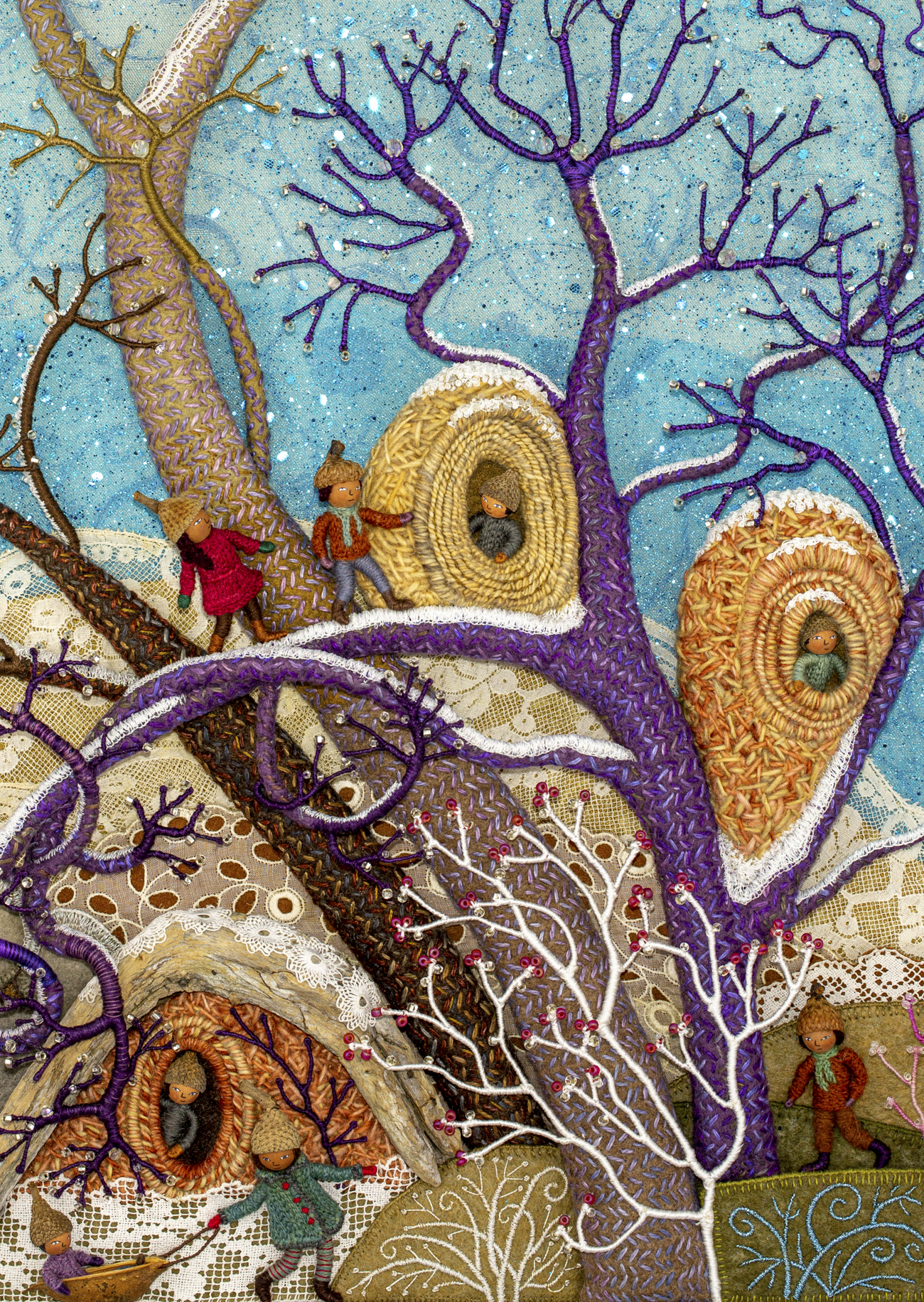
Part 3 in the Frosty Morning series is about making these curious looking rounded structures. Part 1 showed how I made the tree trunks and Part 2 gave a close look at how I formed and wrapped the wire tree branches, from the inside out.

This year, I’m working on a group of seasonal landscapes that capture the wonder and magic of the natural world, both real and imagined. Frosty Morning, Summertime, Mossy Glen and Harvest Time are available as jigsaw puzzles and note cards in my shop here

From the start, I knew that the scene would include little characters who needed places to take shelter from the cold. So, I constructed cozy homes for them, like a wee folk housing development nestled in the trees.

Each shelter was custom made to fit between tree limbs. I first cut out pieces of wool felt in the basic shapes. Then, I cut out rounded doorways and trimmed them to conform to the surrounding branches.

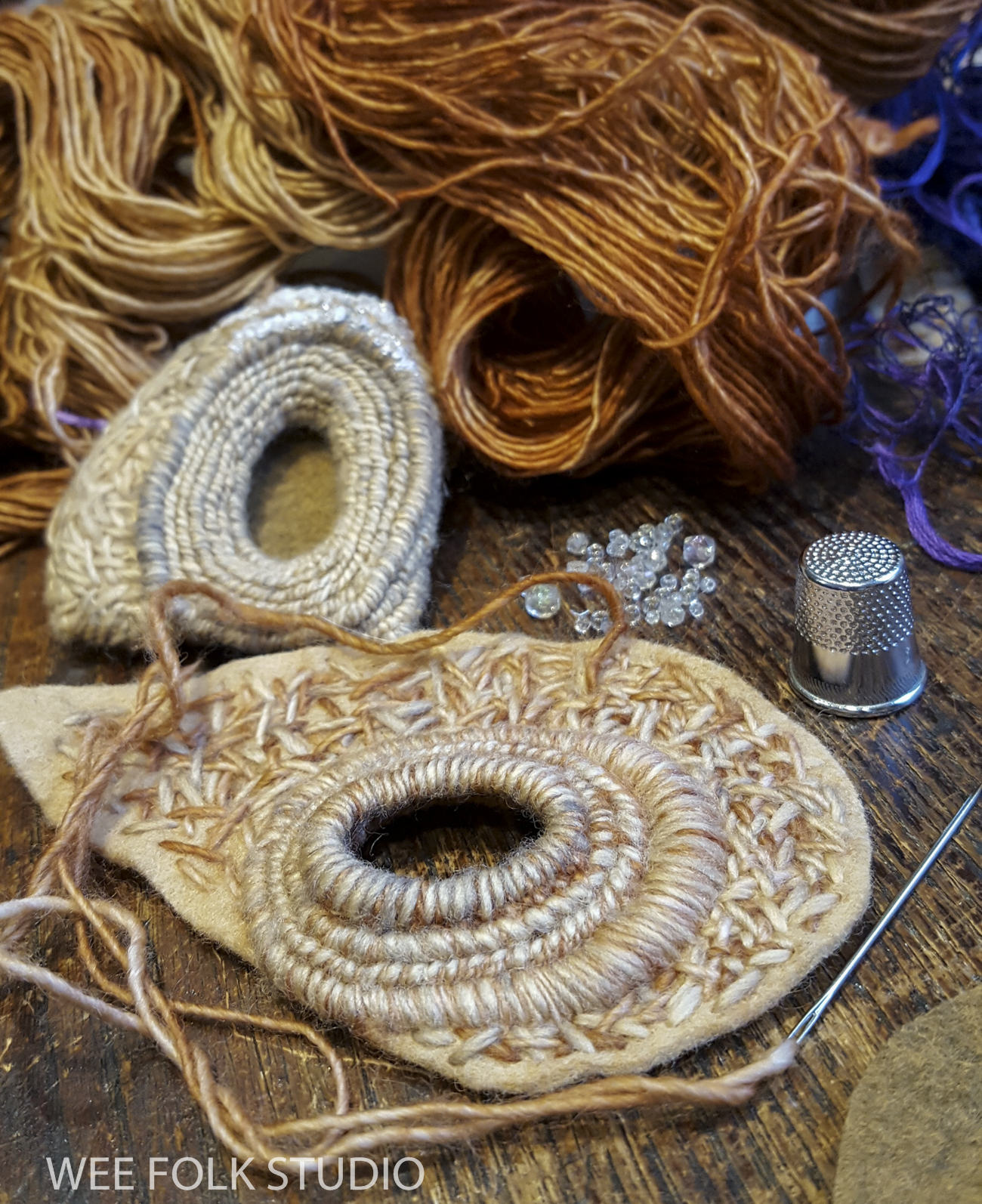
To give the shelters a nest-like appearance, I stitched a random cross-hatched pattern onto the felt, using fingering weight Merino wool from Flying Finn Yarns.

As I worked, the spiral around the doorway grew larger, creating a shallow entrance, with an overhanging rim. On top, I added a bit of snow cover with white metallic thread and clear glass beads.

Each shelter was made to be different in shape and color.

This one was built to fit under a piece of driftwood.

In the back, I added layers of felt to make the walls puff out a bit.

Sometimes I drill little holes in wood to sew it in place, but in this case I glued the wood to the back layer of felt.

At this point, I wasn’t sure who would be moving into the neighborhood, but there was much more to finish before they started showing up, anyway

Stay tuned for Part 4 in the Frosty Morning series, which will zero in on the stone wall and its surroundings.

To keep up with new posts, subscribe to this blog. Your contact info will not be shared. If you’d like to see more frequent photos tracking the projects in my studio, please follow me on Facebook and/or Instagram.

Frosty Morning: part 2 (branches)

Part 2 in the Frosty Morning series gives a close look at how I formed and wrapped the wire tree branches, from the inside out. Part 1 was about making the tree trunks.

This year, I’m working on a group of seasonal landscapes that capture the wonder and magic of the natural world, both real and imagined. Frosty Morning, Mossy Glen, Summertime and Harvest Time are available as jigsaw puzzles and note cards in my shop here

I started experimenting with wire branches in the mid-80’s, while exploring new ways of adding dimension to my work. The trees in the winter scene below are an early example of the same basic technique I use today.

This piece from 1986, along with over 100 works spanning my 40 year career, will be included in next summer’s retrospective exhibition, WHAT A RELIEF: The Art of Salley Mavor, May 3 – Sept. 11, 2022 at the Brick Store Museum, Kennebunk, ME. Rarely seen works on loan from private collections will fill multiple galleries on the museum’s entire first floor. A large selection of sculptures, bas-relief pieces and original picture book illustrations, including the scenes from my newest book, MY BED, will also be shown.

I use jewelry wire or copper filled insulated electrical wire to form tree branches.

As I described in part 1, the trunk and thicker limbs were covered in felt.

Then came the fiddly part, where I wrapped the wire branches in embroidery floss. I wound thread up and down several times, until the wire was no longer visible and the branches looked smooth and even. Using variegated thread gives the tree a more naturalistic look because nothing in real life is just one color.

Despite its apparent fussiness, the process of wrapping the wire is strangely calming. People often remark at how patient I am, which ironically makes me feel annoyed and impatient. I know it’s meant as a compliment, but doing this kind of work has nothing to do with patience. For me, stitching is a grounding daily practice that verges on obsession. Somehow, that feels different than patience. Watch this video and see what you think.

Sometimes I used the copper wire filling inside insulated electrical cables I found at the hardware store.

Part 3 in the series will be all about making these curious looking rounded shelters.

To keep up with new posts, subscribe to this blog. Your contact info will not be shared. If you’d like to see more frequent photos tracking the projects in my studio, please follow me on Facebook and/or Instagram.

Frosty Morning: part 1 (trees)

Are you ready for a blast of cold air in the heat of summer? I hope so, because today, I am giving a behind the scenes peek at how I made the tree trunks for Frosty Morning. Part 2 in the series will concentrate on how I formed and wrapped the wire branches. As the summer progresses, I will share other features of the winter scene, including snow and ice, cozy little shelters, a stone wall and the ubiquitous wee folk characters dressed in warm winter outfits.

This year, I’m working on a group of seasonal pieces that capture the wonder and magic of the natural world, both real and imagined. Frosty Morning, Summertime, Mossy Glen and Harvest Time are available as jigsaw puzzles and note cards in my shop here

I’m currently deep in making mode, working on a completely different piece – the spring scene, which you can follow on Instagram and Facebook . So, writing this post requires switching my brain into explaining mode. You see, when I’m engrossed in making something, I don’t think about the actual process. I’m focused on bringing my vision to life.

So how did this vision develop? I started by picturing a winter scene in my mind, with expressive branches and sparkling ice crystals. When I sketched out some ideas, rounded shelters showed up, all nestled in the thicket of trees. The original drawing also included a line of little figures climbing high along a branch. The details changed along the way, but the basic thrust and curve of the center tree remained. Over the 4 months that I worked on Frosty Morning, I used the drawing as a guide, but never a template.

Because the center tree is the main focal point of the piece, I constructed it first. The photo below shows how I used matte board and wire to form the structure of the tree trunk.

The concept of using matte board as a base actually began over 40 years ago, when I designed a line of stuffed pins. You can follow the story of my pins here.

i still have the patterns for the various shapes, including the cat. The board inside gave a nice flat backing to stitch the pin fastener onto.

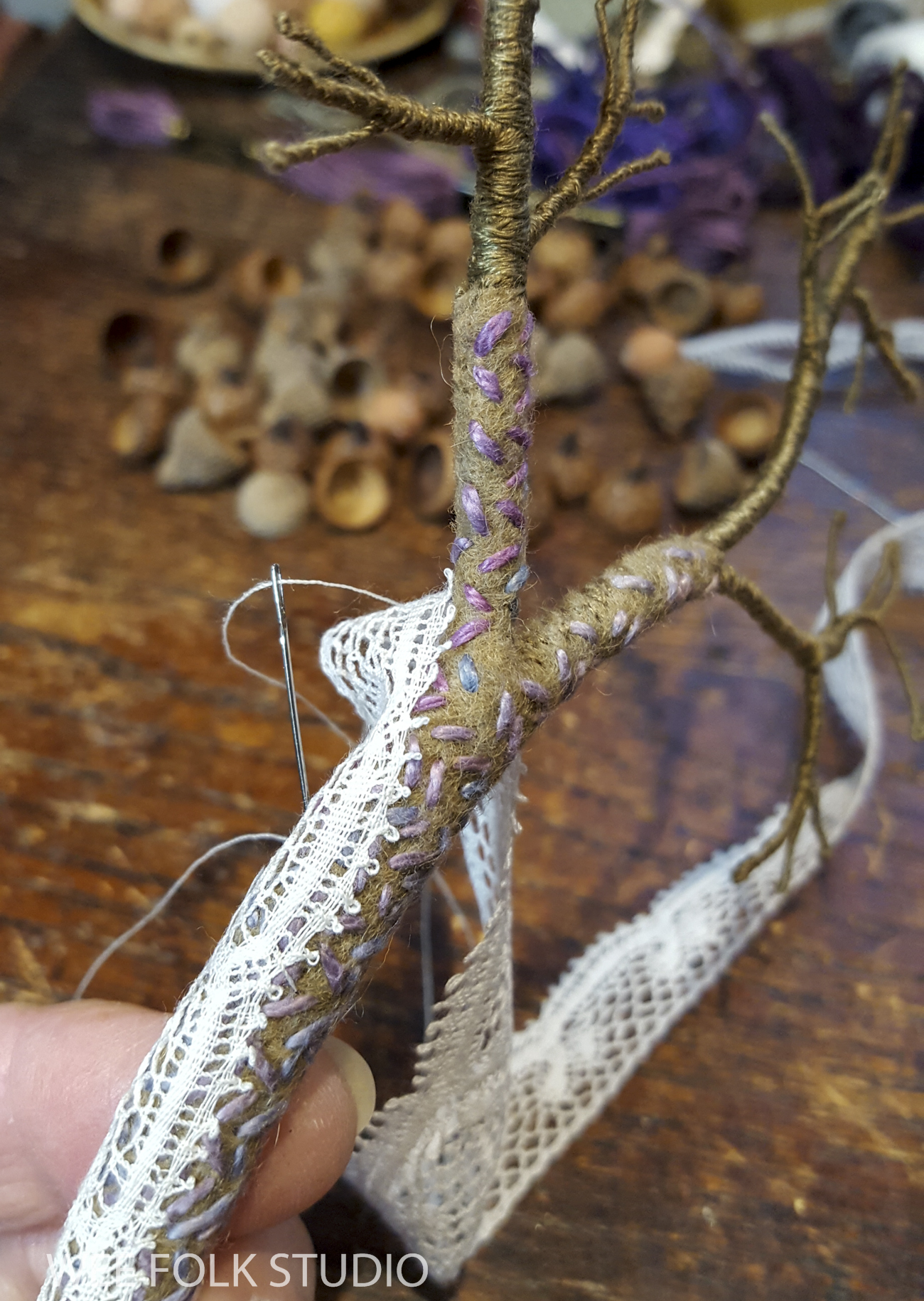
For the tree, I glued a piece of felt (the cheap stuff) to the back of the matte board. That way there is something for the needle to catch onto. Then, I wrapped a piece of felt (the good stuff) around the trunk, covering the front side and stitching it in place on the back.

Then, I stitched a zigzag pattern on the font side with variegated pima cotton made by the Caron Collection.

I used insulated wire of different gauges, sometimes stripping off the rubber/plastic coating to reveal multiple wires inside. It’s the kind of supply that can be found at hardware stores The skinnier wire inside became the finer limbs as the tree branched out.

I searched through my old lace collection until I found something that would evoke snow cover on the center tree’s outstretched branch.

I made the purple tree a little differently.

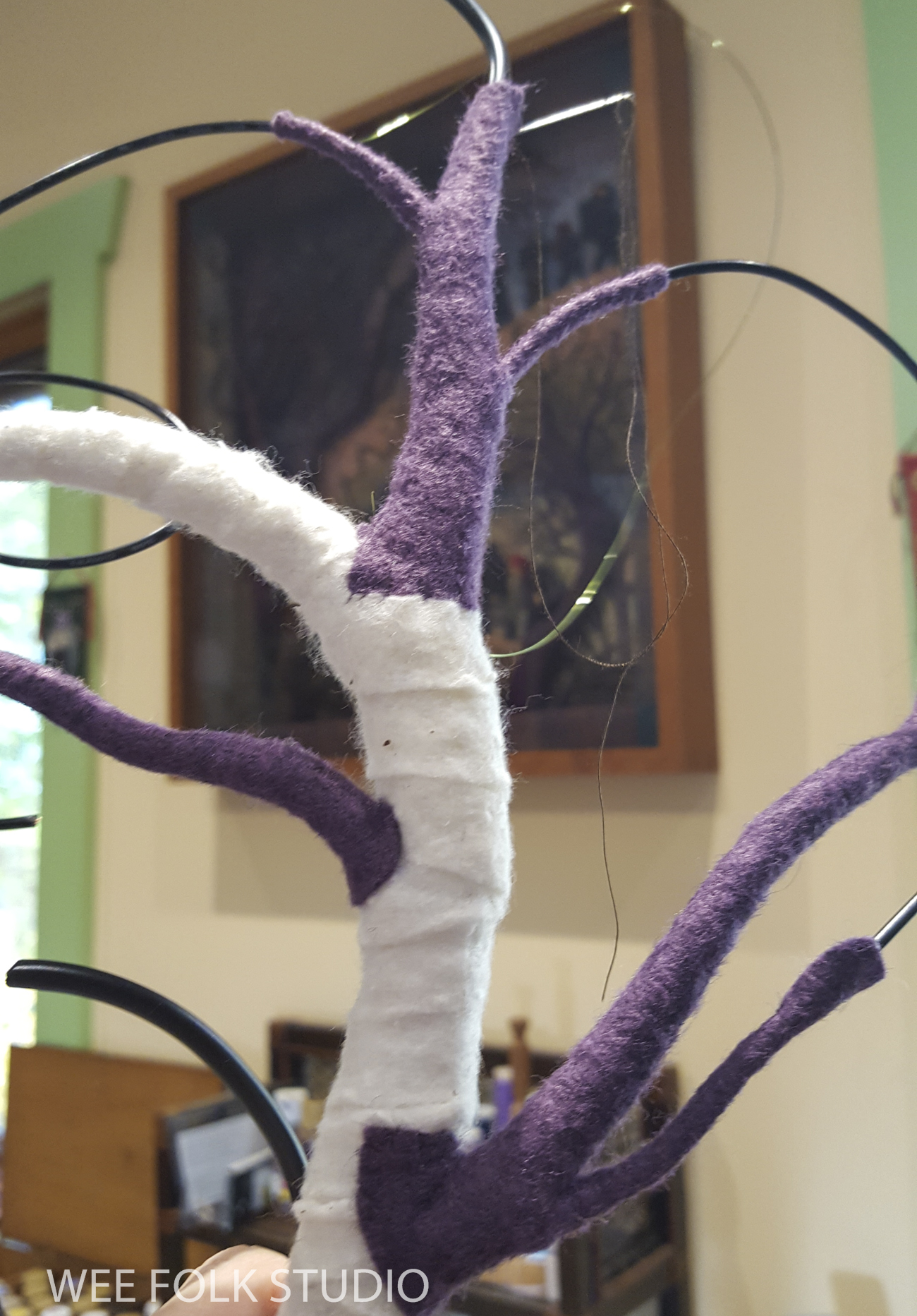
Being smaller in diameter, the purple tree didn’t need a board backing, so i just wrapped the wire armature with strips of cotton batting until they were the right thickness. I have no logical explanation as to why this tree is purple. I just wanted to cheer up the scene with something besides drab browns and grays.

Part 2 in this series, will be devoted to forming and wrapping the branches.

Frosty Morning note cards are available in my Etsy shop here.

To keep up with new posts, subscribe to this blog. Your contact info will not be shared. If you’d like to see more frequent photos tracking the projects in my studio, please follow me on Facebook and/or Instagram.

Polly goes to Utah


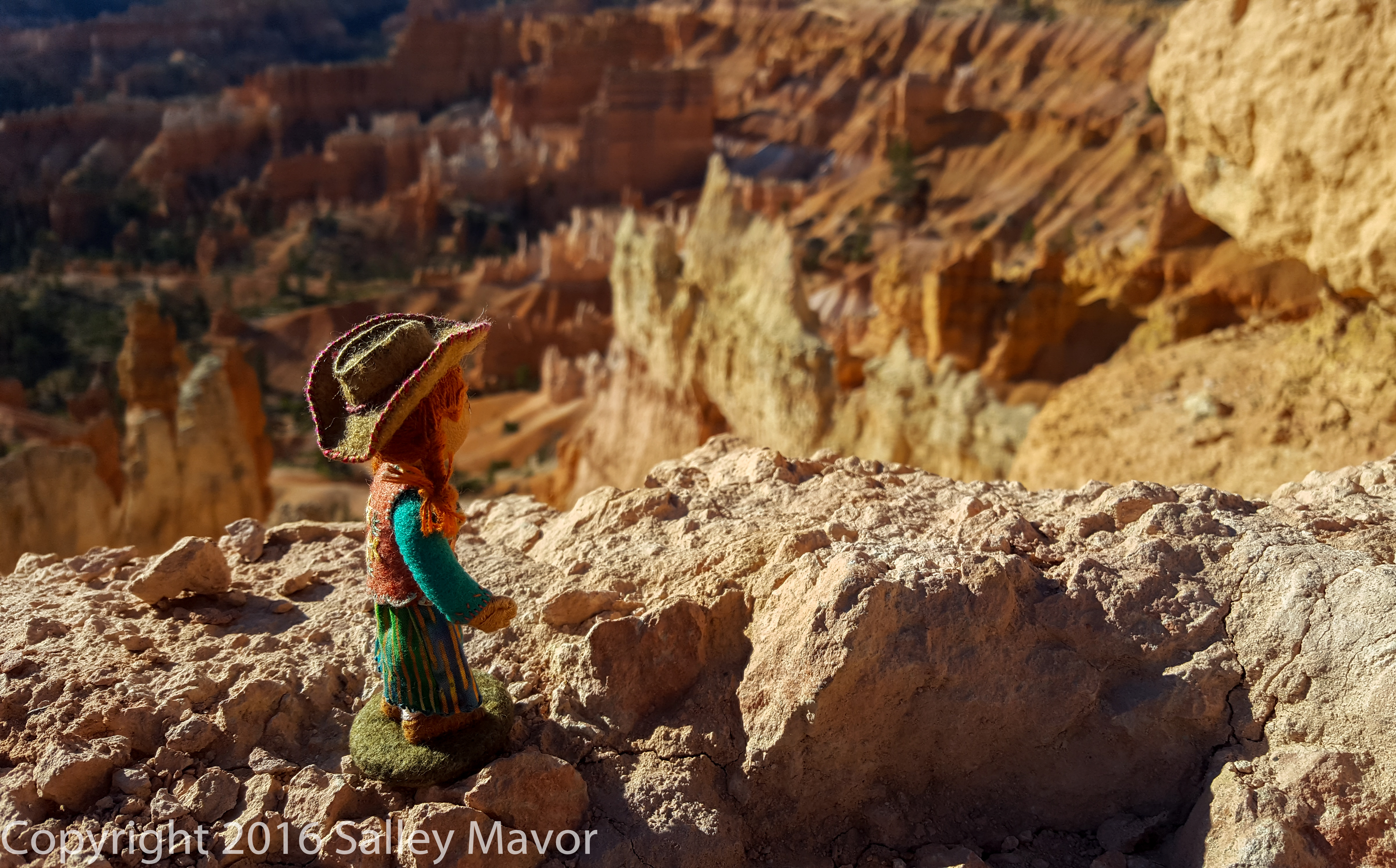
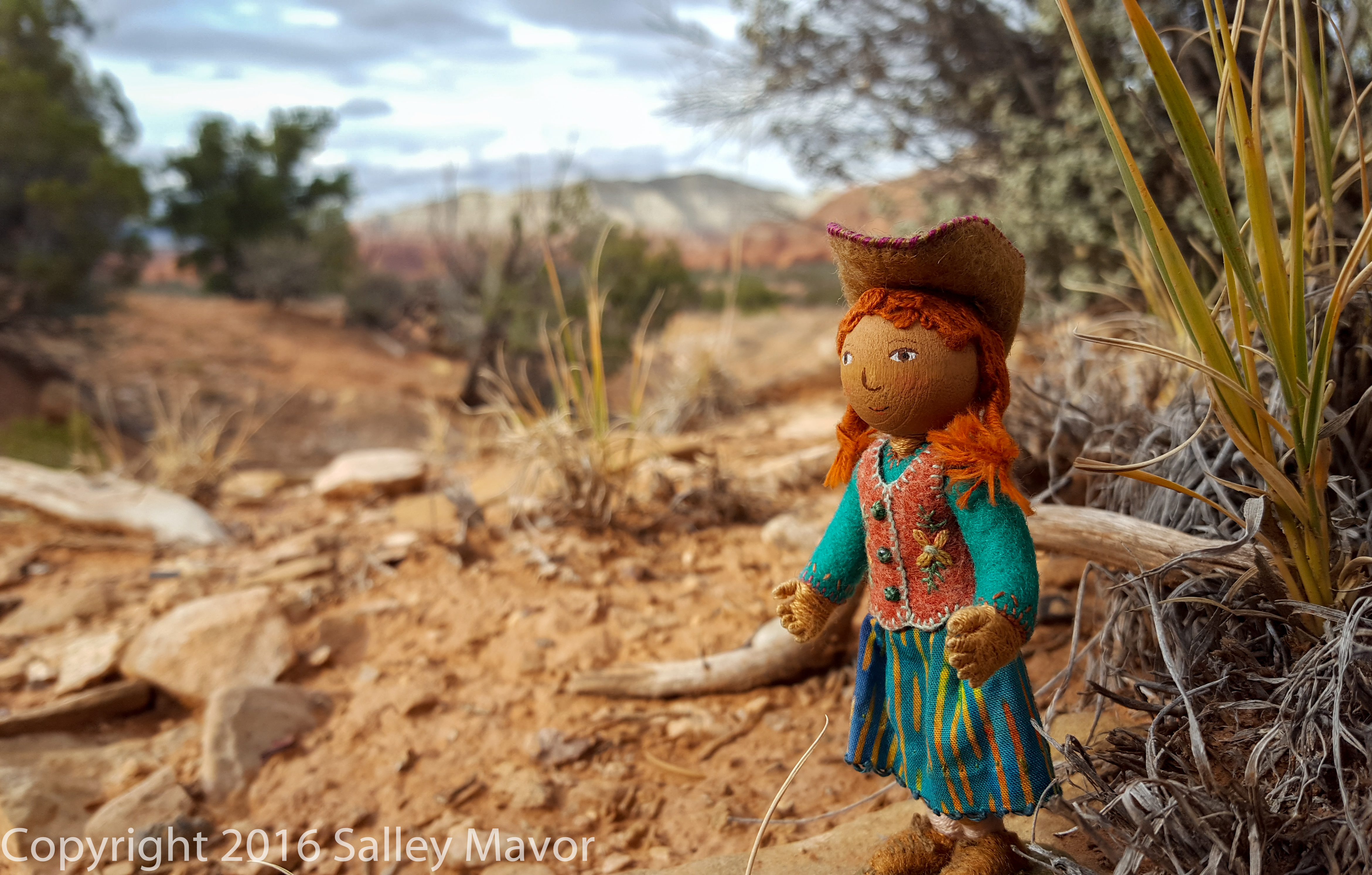
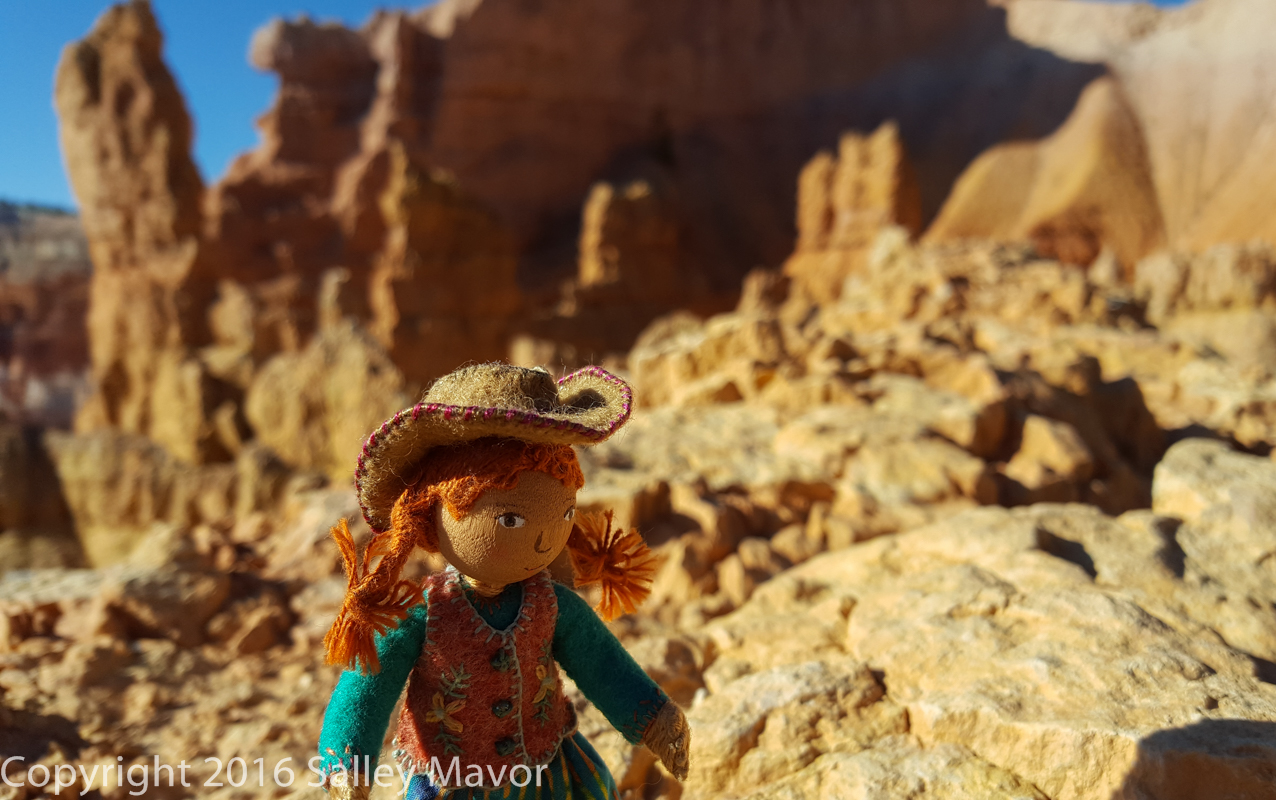
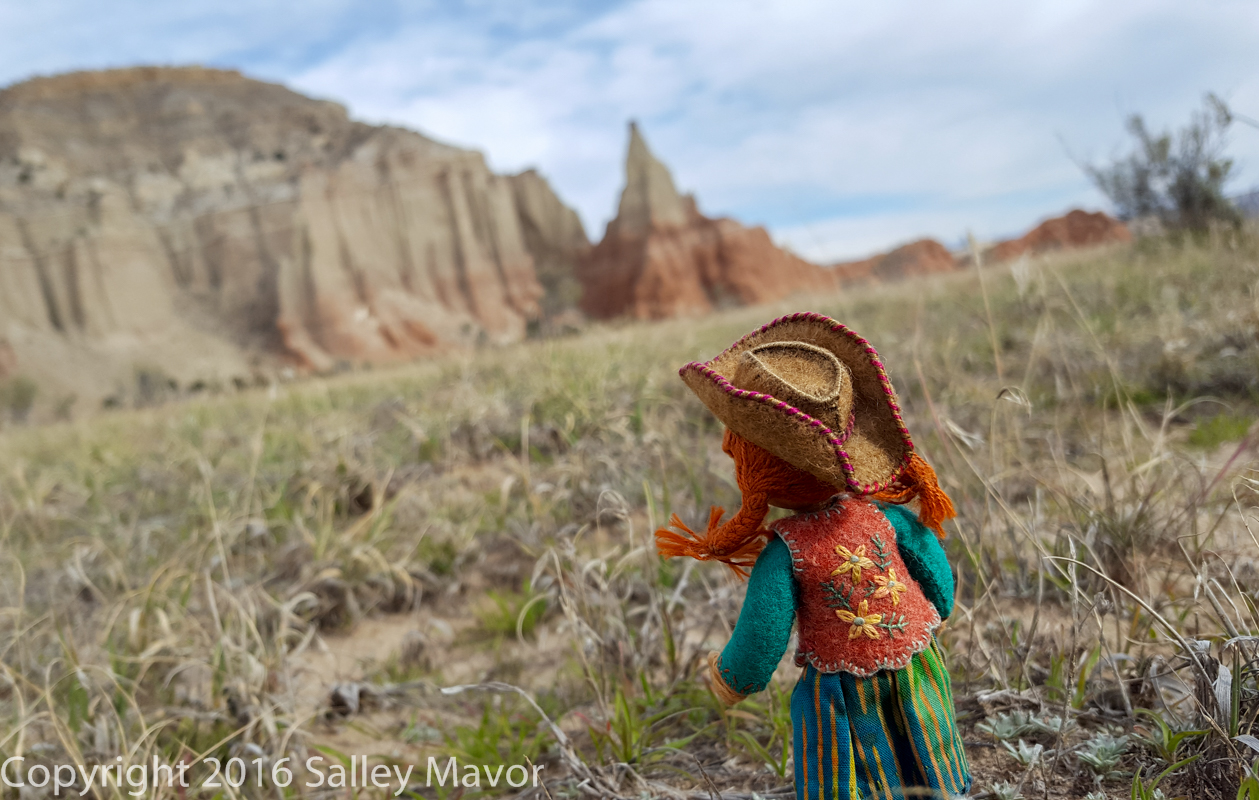
It’s time we caught up with Polly Doll and learn about the second part of her trip west. In early November she met up with her cousins in Salt Lake City and then headed to their cabin in southern Utah. From there she drove through the countryside and visited Kodachrome National Park (above video) and Brice Canyon National Park. The scenery was so spectacular that she could hardly believe her eyes! The Fall palette featured her favorite color combination, green and orange, with lots of subtle variations in between.

pollyutah-5

pollyutah-8

pollyutah-7

pollyutah-4

pollyutah-6

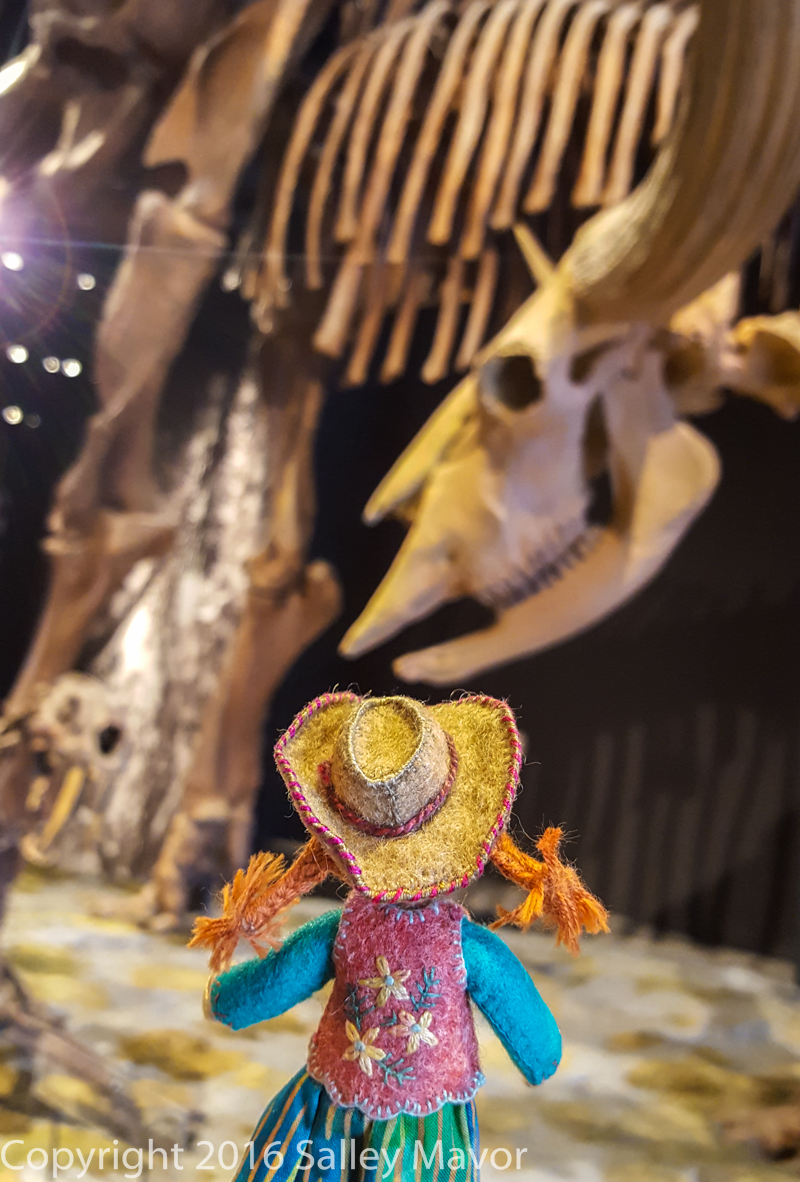
Polly really enjoyed the Natural History Museum of Utah in Salt Lake City. She got up close to some gems, plaster animals and old bones. She’s looking forward to her next trip this winter, where she’s hoping to meet some real live animals up close!

pollyutah-3

pollyutah-2

pollyutah

To keep up with new posts, subscribe to this blog (top right column on the home page). Your contact info will not be sold or shared. If you’d like to see more frequent photos tracking the projects in my studio, please follow me on Facebook and/or Instagram.

Island vacation

IslandVacation2016-1-13

Is it still a vacation, if you spend a fair amount of time working? I admit to being a stitch-a-holic, because I can’t sit idle, when I could be MAKING something! It’s a compulsion that many of you can identify with, I’m sure. During this vacation, I made a set of Ltd. Edition Fairies that will be in my Etsy Shop in a few weeks. I didn’t spend all day stitching, though. We hiked around the island, swam in the creek and took photographs.

My husband Rob and I spent the past week on a private island that’s not far from our home, but it’s so peaceful and solitary that it feels like a world away. We traveled there on our boat and were the only ones on the island, except for some friends who came to visit on their boats.

IslandVacation2016-1-8

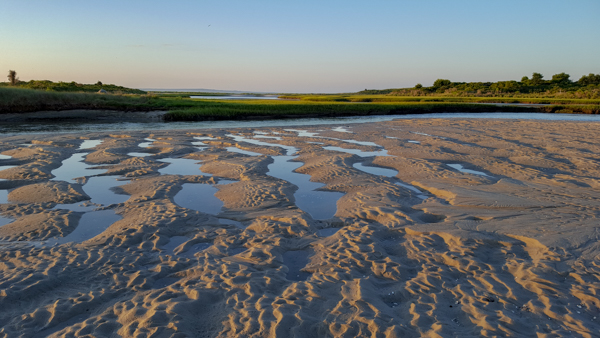
Many mornings, the light beckoned me out of bed, sometimes before sun rise, to walk around and try to capture the island’s unique beauty with my camera. This selection of photos were mostly taken at dawn or dusk — the magical hours. I hope that you enjoy this tour of a special place!

IslandVacation2016-1-12IslandVacation2016-1-2IslandVacation2016-1-11IslandVacation2016-1-6IslandVacation2016-1-7IslandVacation2016-1-10IslandVacation2016-1-4IslandVacation2016-1-9IslandVacation2016-1-5IslandVacation2016-1