Unknown's avatar

About Salley Mavor

I make 3-dimensional fabric relief pictures that are photographed and used to illustrate children’s books. I sew together different materials to create fanciful scenes in relief, much like a miniature stage set, with figures imposed on an embellished fabric background. My work is decorative and detailed, full of patterns from nature and found objects, all sewn together by hand with a needle and thread.

Pins (part 2)

Continued from Pins (part 1).

I started adding new designs and soon had 20 different pins.  It was time to be more serious about marketing and I decided that a catalog was needed to reach more people. A former classmate from RISD, Niki Bonnett, volunteered to develop some promotional materials for my business.

Pin catalog designed by Niki Bonnett, 1980

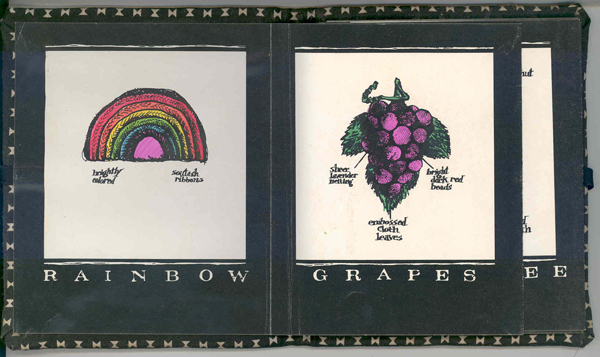
Niki devised a poster that could be cut up in strips and glued together in such a way as to make an accordion-fold catalog. She made drawings, with descriptive hand written notes identifying materials and features of each pin.  For the sake of economy, the poster was printed in black and white, and I hand colored the pin illustrations with markers. I constructed a cover for each catalog out of cloth-covered cardboard. Then I glued the beginning and end of the accordion folded pages to the inside of the front and back covers, along with ribbon ties. The finished catalog size was 4″ x 3″.

pin poster designed by Niki Bonnett,1980

In a recent conversation from her home in Ashville, NC, Niki remembers this about the project: “When I did your job, I was working at Hill, Holliday, Connors, Cosmopulos (HHCC), a well-known ad agency in Boston. I was doing freelance work at night to build my portfolio and I loved your pins. For your project, I designed a poster with all the art and type as white on a black background. Once printed, it could be cut up into horizontal strips that were then hand colored, accordion folded, taped together and hand-bound into a fabric wrapped cover (also handmade) that tied shut with a bit of ribbon. Obviously, back then I didn’t think about my time as part of the cost of doing the project, and I had plenty of it back then too! All it cost was the printing of some black and white posters! Those posters looked great on their own, and it was lots of fun making those books; they were little gems.

In addition to the design and production of the piece, I also did all the illustrations of the pins, the calligraphy naming each pin style. I got one of the typesetter reps who visited HHCC every day to give me an entire alphabet of uppercase, metal letters (“slugs”? I forget the terminology for those bits of lead type). The letters were tiny, maybe 12 point. I used a brayer to roll black acrylic paint out on a piece of glass and then hand printed each tiny letter on rough newsprint until I got the “perfect” letter. Once I chose the letters for the entire alphabet, I blew them up to four times the original size on the Photostat machine (Good thing I had a key to that ad agency! Can you imagine being able to sneak back into a large office now to work on your own stuff from 8 to midnight?). That became my typeface from which I made all the “typeset” words. Needless to say, there was A WHOLE LOT of cutting and pasting goin’ on!

House Pin 1977

I was very proud of that project and I know I still have at least one of those books and some pins tucked away somewhere all these years later. I sure do miss the hands-on way design was done before computers; that’s what eventually caused me to quit my graphic design business in favor of making art quilts. I never made the kind of money I made in commercial art with my textile artwork, but it was so enjoyable… the creativity and the “making” of things!”
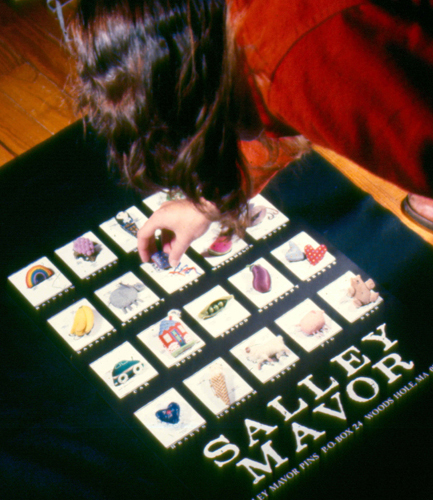
Salley arranging pins on top of poster, designed by Niki Bonnett, 1980
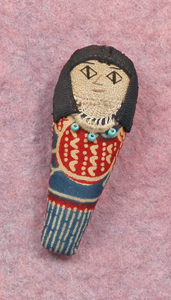
Mummy pin
Eggplant Pin 1977

My pins were included in Yankee’s Feb. 1981 issue, along with articles about a man who played music on a saw and someone who repaired oriental rugs. Laura Gross wrote, “Sparkling beads and soft velvet compliment her intricate hand-sewn and embroidered Egyptian mummies, palm trees, hearts, carrots, etc. Prices range from $4.00 to $12.00, and her custom work starts at $15.00. In the past, Salley has specially made banjos, cats, mermaids, New York town houses, corn-on-the-cob and a doctor’s bag, complete with gold initials.” I don’t recall making the doctor’s bag, but I do remember sewing on individual yellow seed beads for kernels of corn.
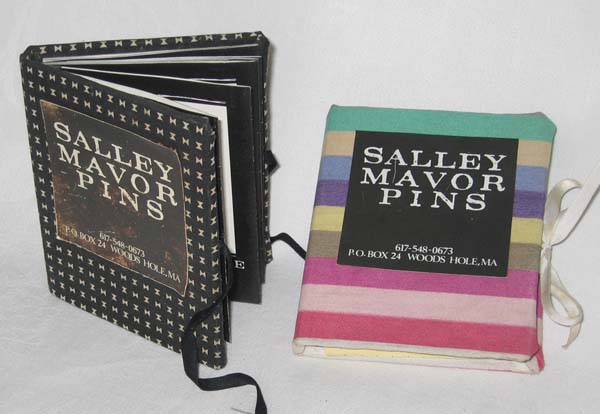
pin catalogs, 1980

People wrote in response to the article and I sent out free catalogs in manila envelopes. I can’t remember how many orders came in, but it was enough to keep me busy for a while.
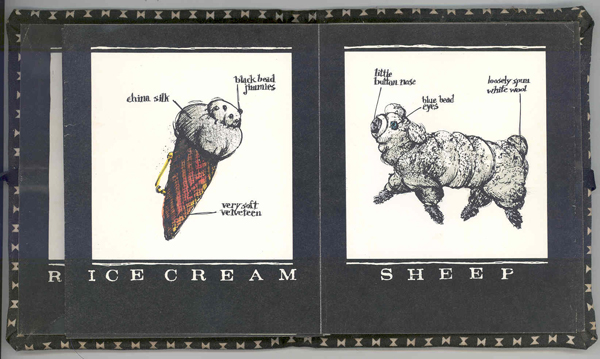
Pin catalog

The story will be continued in PINS (part 3).

To keep up with new posts, please subscribe to this blog. Your contact info will not be sold or shared. If you’d like to see more frequent photos tracking the projects in my studio, please follow me on Facebook and/or Instagram.


Pins (part 1)

The peapods were the gateway to my life of stitching. I started making peapods and other pins in art school in the 1970s, as a totally separate project from my class assignments.  Some of my friends knew about them, but my teachers hadn’t any idea.

peapodpin2WM

One day during class, I was listening to a critique, sewing some peapods, when my teacher, Judy-Sue Goodwin-Sturges, noticed what I was doing. She looked more closely, asked me a few questions and said, “Why don’t you do this kind of thing for your illustrations? Try sewing them.”

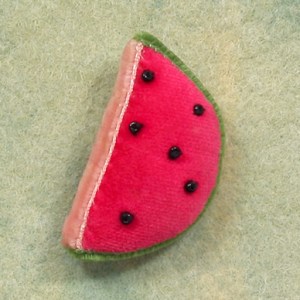
Watermelon pin 1977
Bunch of Grapes Pin 1977

With that simple encouragement, I stopped trying so hard to translate the images in my head through a brush or pen. Given permission to work outside of traditional illustration mediums, I found that I was much happier and energized. I was no longer struggling to keep in step, but, with a needle and thread, I could dance.  For some reason, I’d been under the impression that in art school, one does “serious” fine art and I’d kept my interest in sewing and handcrafts underground. I rediscovered the joy of creating and learned to trust my hands and gut feelings to help work out challenges.

catpinWM

After graduation, I added more designs and started mass producing pins and selling them on a wholesale basis to shops. I had to really push myself to call shops and and arrange in-person visits to businesses. I was more content sitting at home, covering little red beads with sheer lavender fabric to make bunches of grapes or sewing strings of green wooden beads inside a velvet ribbon peapod.  Despite my shyness about pedaling my wares, I found the marketing part of the business to be a creative exercise. I’d spent my teenaged years working in my mother’s import shop in Woods Hole, From Far Corners, and the experience of dealing with customers and knowing the difference between wholesale and retail was helpful.

carrot2WM

I started making custom pins of people’s cats, based on photographs they sent. I found that Siamese cat owners were particularly fussy about their breed and one time had to redo a blue point. The cat ears are made from a coiled wire bead, which I cut in half.

back of Cat pin

Some of the pins like the cat and the watermelon have a cardboard shape inside to give them stability. I’d sew a little pocket, turn it right side out and slip the cardboard in, put in some stuffing and sew up the pocket.

cardboard patterns for pins

I used my Singer Featherweight, the same machine on which I learned to sew, to do the machine part. There was always a lot of hand sewing to finish and attach the pin back.  I had some labels printed with my name and sewed them under the pinback. They were the same kind of labels you get at fabric stores for sewing on children’s camp clothes.

In the studio 1979

This is the first of 3 parts.  The story is continued in PINS (part 2).  

To keep up with new posts, please subscribe to this blog. Your contact info will not be sold or shared. If you’d like to see more frequent photos tracking the projects in my studio, please follow me on Facebook and/or Instagram.
 

Recovery

Here’s an update on my recovery from last week’s fall. My left wrist broke in a complex way, so as to require surgery to repair my poor bones. Luckily, I was referred to an excellent orthopedic surgeon in Boston who specializes in hands. On Wednesday, the doctor operated and it looks like everything went very well. She used a metal plate and some screws to hold the bone fragments in place. So, now airport security will never be the same!   

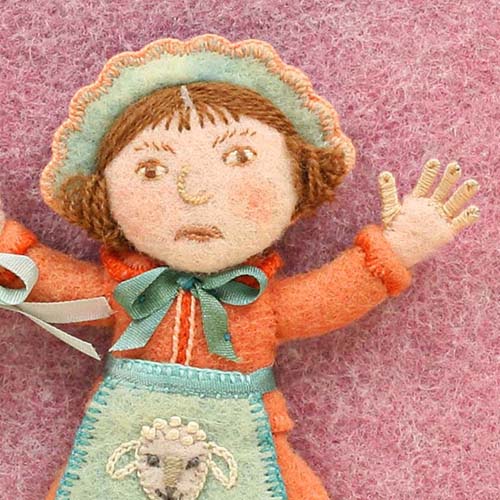
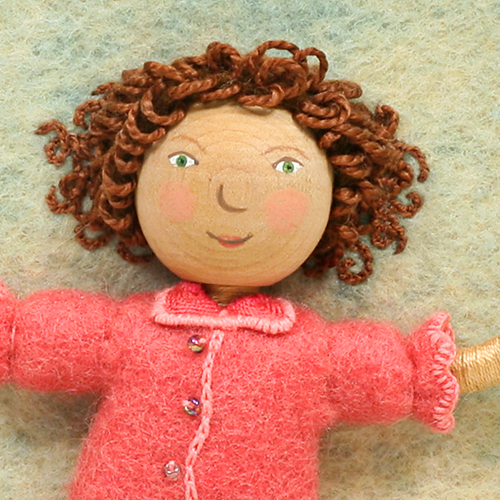
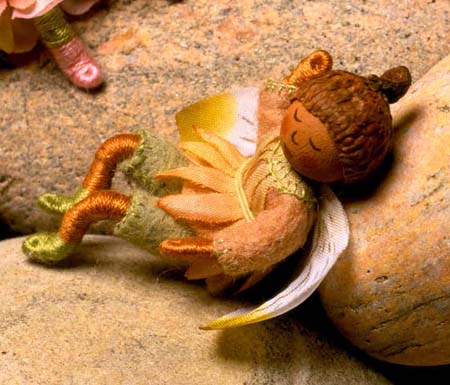
I have my version of the “pain scale faces” that are displayed in hospitals.  

This is how I feel without pain killers:   

detail from "Pocketful of Posies", to be published in Sept., 2010

This is what I look like with some pain killers:   

detail from "Pocketful of Posies", to be published in Sept., 2010

 Here’s what it looks like with too many pain killers:  

fairy sleeping

I can’t say how long the healing process will be, but I feel like the worst part is over and my body will mend at its own pace. Now that I’m taking fewer pain killers, I’m more alert and noticing things around the house. I watered the house plants before they died and emptied the dish washer, using one hand. Taking a shower with an arm cast is becoming routine and my husband is able to do a bra clasp without saying, “Why are these so tricky?”   

We had to throw out last night’s dinner. My husband spent hours making a squash and chicken casserole, which looked so good.  He even made homemade croutons to mix in! We found out that our garden grown acorn and butternut squash was so bitter it was inedible. It didn’t look rotten, but must have something very wrong with it.  

We don’t have TV service, which normally is not an issue, but at first I wanted to watch something, for the distraction. We’ve been borrowing movies from the library and watching them on an old TV set with a Dvd player that broke the other night. The disk was stuck and wouldn’t come out, so my husband took the whole thing apart and got the disk out, so we could return it. We haven’t the nerve to try another Dvd for fear it will get stuck. For now, I’m listening to books on tape because reading is still difficult since my concussion. Right now I’m enjoying Alexander McCall Smith’s Morality for Beautiful Girls, which is in the No. 1 Ladies’ Detective Agency series. I love listening to the narrator’s lilting Botswana accent. 

So, that’s it for now. Thank you for your kind and encouraging words. Keep tuned: I’ll be posting new stories that I wrote before the accident.

Close-ups (foxes)

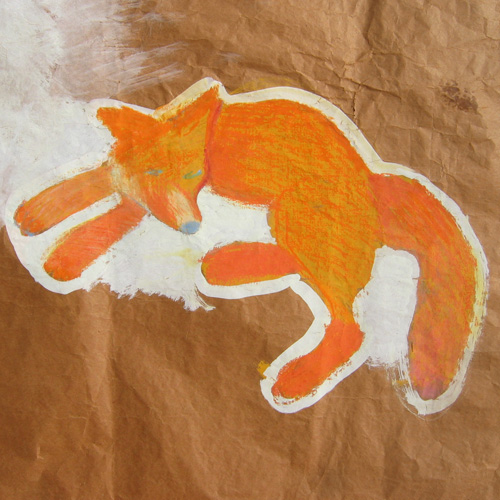
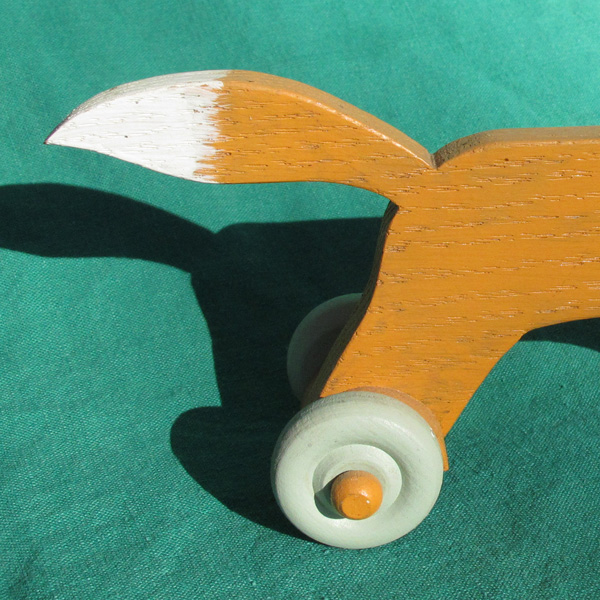
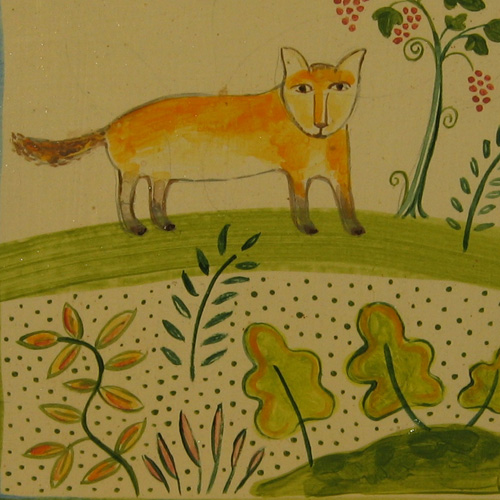
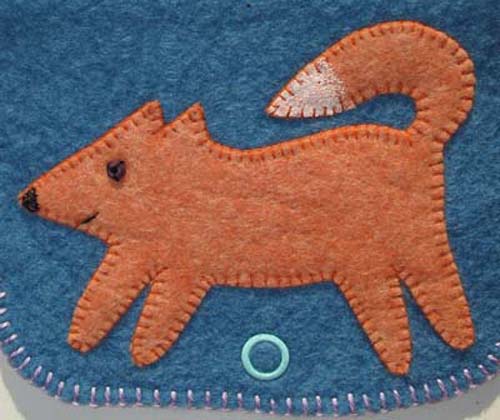
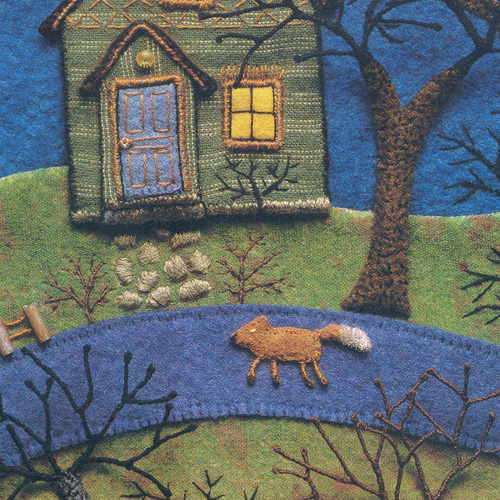
Maybe it’s because of their warm color and their pointy ears, noses and tails, but I find foxes appealing. This group of foxes starts with a detail from “Laplander”, a tempera painting on brown paper, which I did in art school. Then there’s the tail portion of a wooden toy I made in 1986 and a “faux” tile I painted in my kitchen in the early 90’s. See all of the faux tiles in another post here. Next is a felt purse, which I used to sell as a kit about 10 years ago and then a detail from my 2001 children’s book, In the Heart.   

detail from "Laplander", 1976

detail from wooden toy fox, 1986

detail of faux tile, 1993

Fox felt purse kit, 2000

detail from the book, "In the Heart", 2001

Note: See other posts in the Close-ups series archive here.

Favorites (big Golden books)

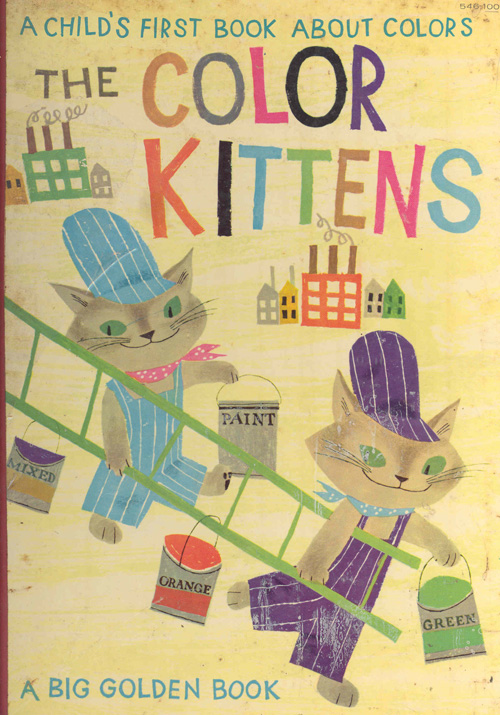
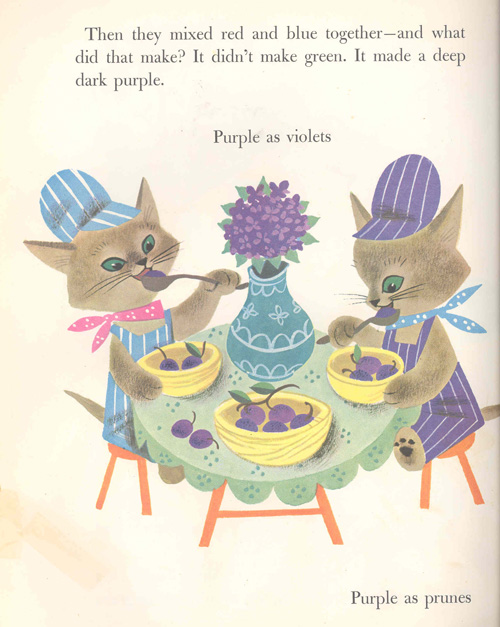
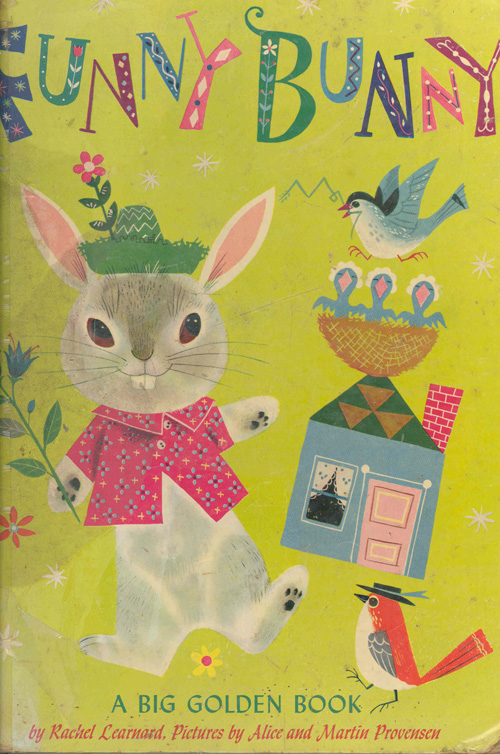
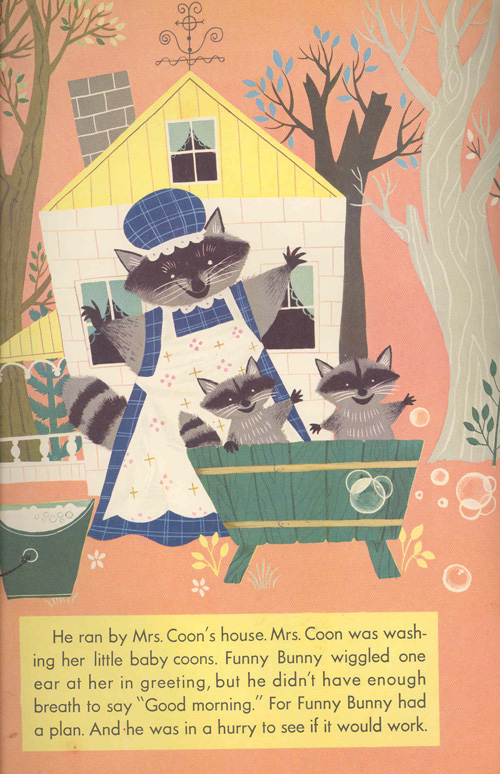
I saved these 2 books from the ” Big Golden Book” series from our childhood collection. My mother was a fan of Alice and Martin Povenson and we had many of their books. I even met Alice about 20 years ago and told her how influential her and her husband’s work was.  The Color Kittens was my first introduction to color theory and Funny Bunny is another early example of their work. In my opinion, they were the best at stylizing animals for children’s books, bringing an elegant sophistication that was lacking in other “cartoony” illustration. You can see more of the Provensen’s work here.  

“The Color Kittens” illustrated by Alice and Martin Provensen, 1950’s

illustration from "The Color Kittens"

"Funny Bunny" illustrated by Alice and Martin Provensen, 1950's

illustration from "Funny Bunny"

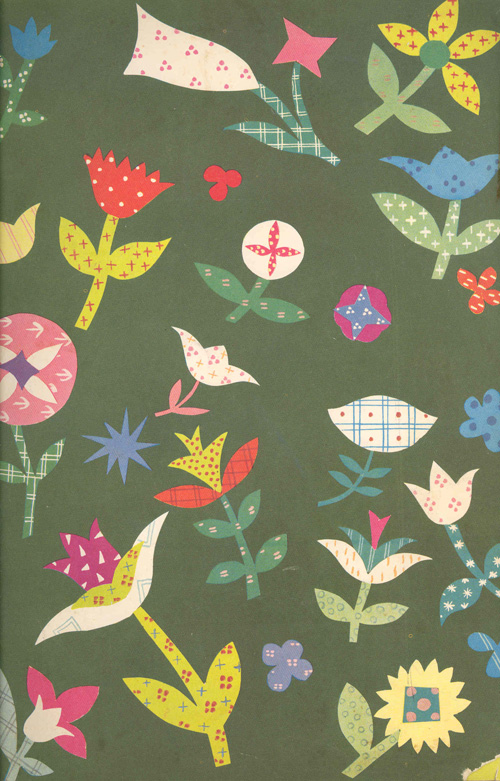
end papers from "Funny Bunny"

My Studio 1977

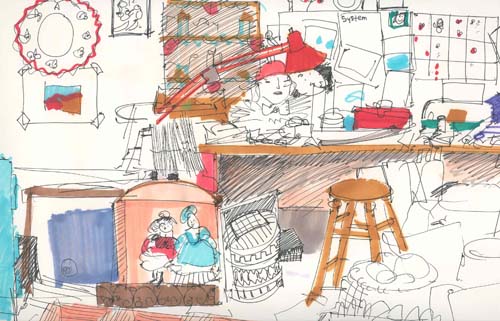
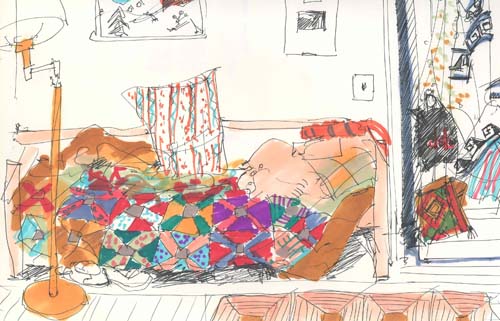
Recently, I found a set of four pen and marker drawings in an old portfolio. Seeing my old apartment in Providence brought the 1976-77 RISD school year back into focus. I remember that we were given an assignment in class to go home and draw all four walls of our rooms.

east wall of my studio in 1977

During my years at RISD, the illustration dept. did not have studio spaces for students, so we turned our bedrooms into our studios. This is the first year I lived outside of a dorm, in an apartment with decent sized rooms. Over the year, I filled up my room with materials and work areas. This was a transitional period in my art, where I was moving away from drawing and painting to 3-dimentional pieces. I was making a lot of dolls, including these Can Can dancers that I can see in the drawing, on the floor. I taught myself how to make dolls with wire armatures, so that they could be posed for photographs. I must have seen some dolls made with stuffed nylon stockings and tried making some myself. At the time, there were no instruction books or classes on this kind of soft sculpture. The school’s textile dept. was more oriented toward weaving and fabric design, which I was not interested in. I wanted to tell a story through my artwork, so I continued taking illustration classes, teaching myself something new with each assignment.

I experimented on my own with materials and techniques, always adapting and changing my approach.  Looking back, I can see that working on illustration assignments with a clear deadline, forced me to concentrate on the narrative part of my artwork and kept me from becoming too focused on the process of creating.  My goal was  to effectively communicate an idea, not just show how well I could sew something.  Ironically, the 3-dimentional work was much more time consuming, but it didn’t seem to matter, since I was inspired and having much more fun! I no longer have the Can Can Dancers, but found this photograph.

Can Can Dancers, 1977

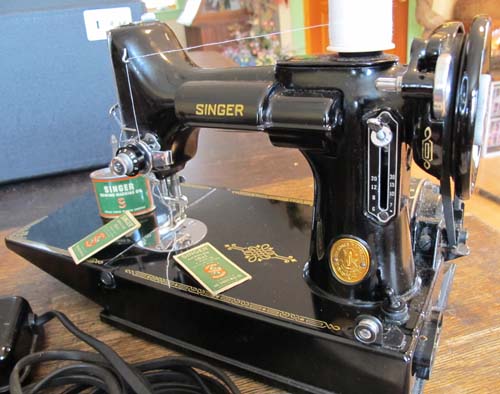
I brought my trusty Singer Feather-weight sewing machine to school and set up a sewing table.  I used this machine for years until I got a Bernina that could do fancy stitches. Today, I rarely get out a machine, but do all stitching by hand.

south wall of my studio in 1977

The table was an old thing of my grandmother’s that I painted orange. It’s still very much in use in my studio today. I got my old sewing machine out of storage to take its picture.  It runs forward and back and is  good for stitching small things.

Singer Feather-weight

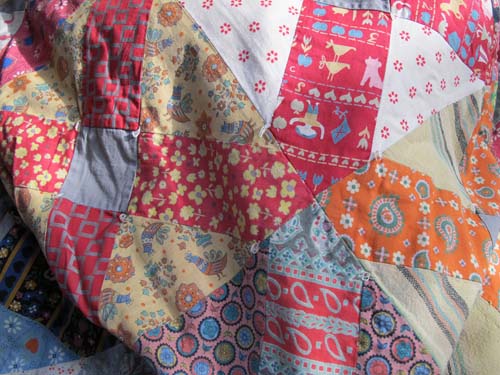
A few years earlier, while in high school, I sewed the quilt pictured on the bed on the Singer Feather-weight. It was the first of just a few usable quilts that I’ve  made.

west wall of my studio in 1977

I plan on redoing this quilt, taking out the thread ties, putting on a new back and hand quilting the whole thing. The fabrics were all pieces we had in the house, mostly from clothes that my mother, sister and I made.

my first quilt, about 1972

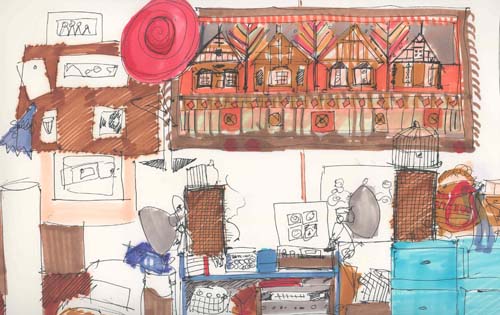
I can identify many things in this drawing, the stereo speakers, my red hat, flood lights, rolls of paper, and the rug hanging on the wall. My mother gave me this beautifully woven wool rug and it seemed too nice to put on the floor.

north wall of my studio in 1977

 I still have the rug, which I now keep on the floor in my studio.

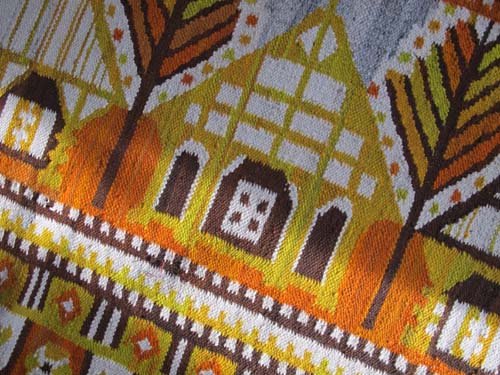
Scandinavian wool rug

Close-ups (the Moon)

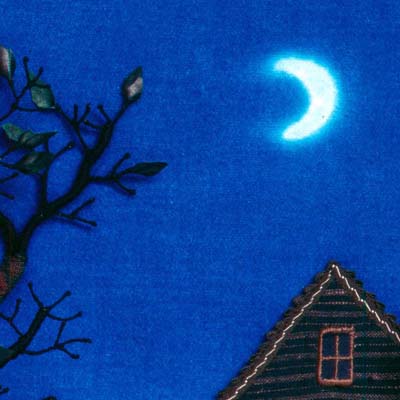
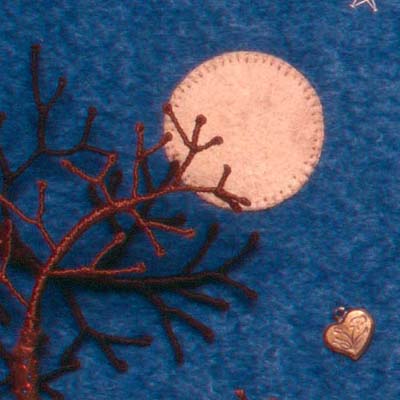
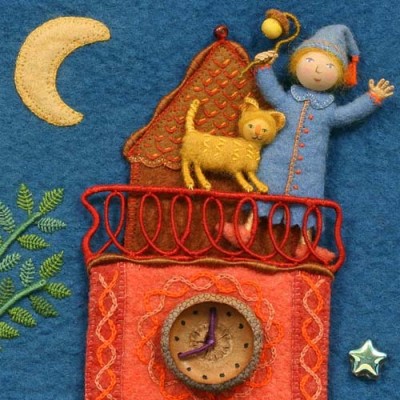
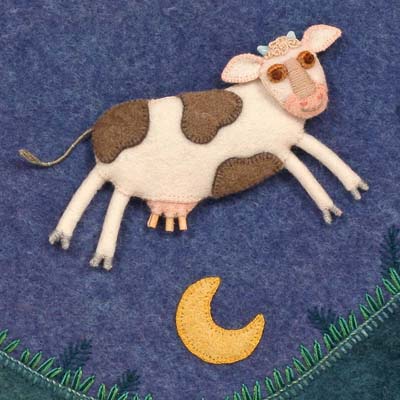
This series of moons are all details from some of my children’s book illustrations.  The close-ups are from The Way Home, You and Me: Poems of Friendship, In the Heart, Wee Willie Winkie and Pocketful of Posies and Hey, Diddle, Diddle!.

from “The Way Home” 1991

from “You and Me: Poems of Friendship” 1997

from “In the Heart” 2001

from “Wee Willie Winkie” 2005

from “Pocketful of Posies: A Treasury of Nursery Rhymes” 2010

Note: See other posts in the Close-ups series archive here.

Rumage in high places, a long fall down

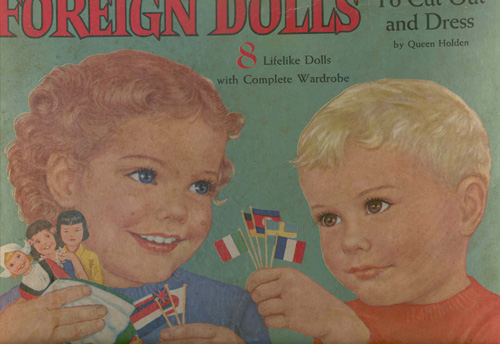
I found what I was looking for, some fabric and some old paper dolls from my childhood. I don’t remember what happened, but…  

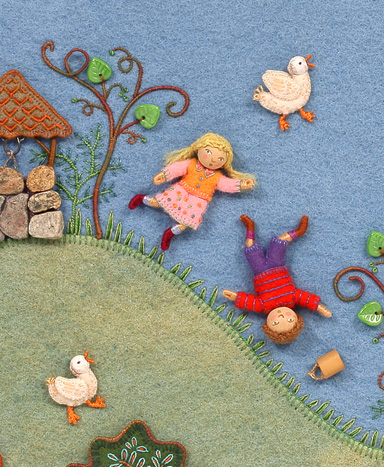
from “Jack and Jill”, “Pocketful of Posies” 2010

I must have fallen while getting back on the ladder to go down from my loft storage area.  

Paper Dolls from 1950's

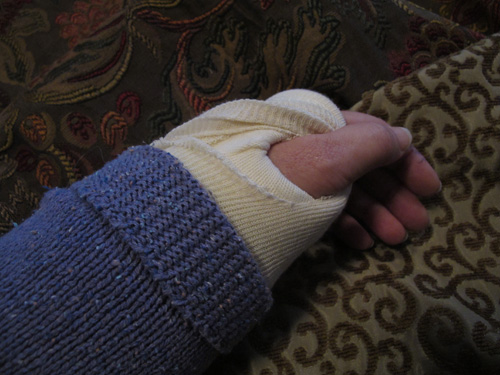
So, after an ambulance trip to our local hospital emergency room, where I remember seeing two nurses who worked on the Woods Hole Quilt, I went by ambulance to another hospital in Boston. Well, I’ve broken my left arm, which is better than my right arm, which is the one I use more. For now, I am back home with a cast, waiting to meet a hand specialist in Boston.  


So, I’ll be running at low-speed for a while. I know that most of you who follow my blog will say “take a break and don’t worry about it “, but luckily I have some posts all lined up, so they’ll be  coming on a regular basis for a month or so. I’ve got a 3 part story about my pins that I used to make about 30 years ago and some more posts from my Close-ups series as well as some surprises.  And, of course, I’ll be writing a story about the paper dolls. When posted, you’ll know that I’m more on the mend!  

Inspiration (wrapping paper)

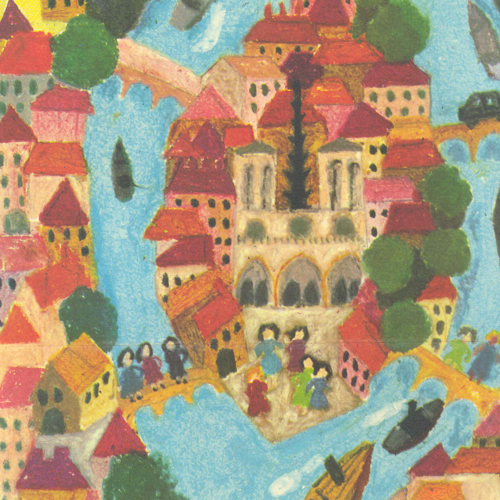
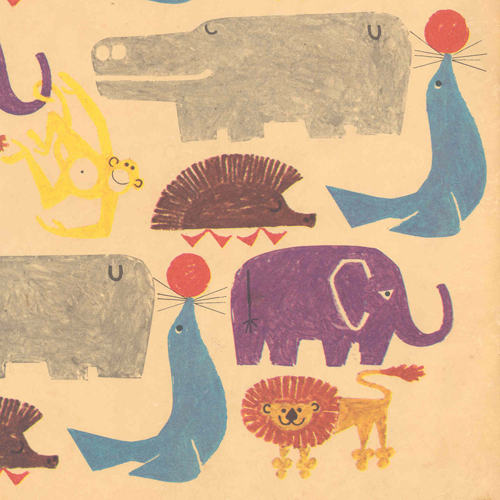
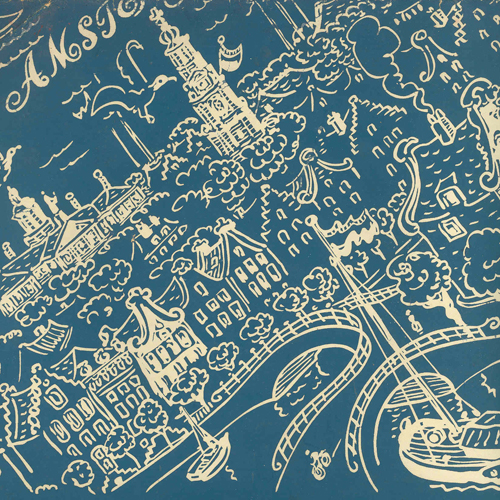
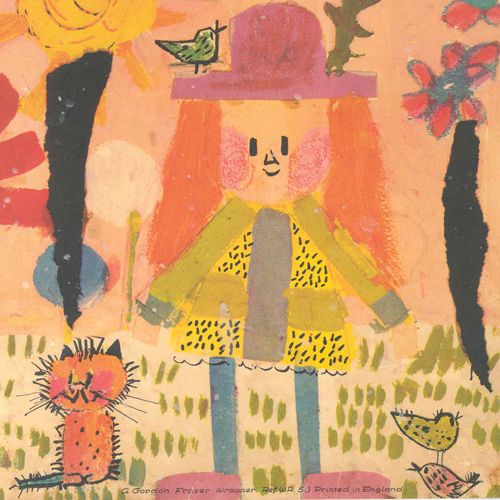
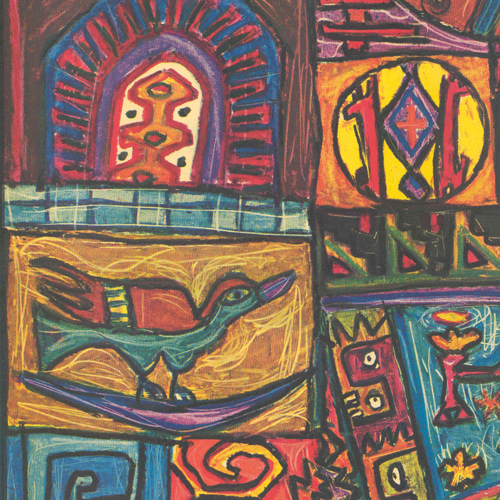
I have a habit of buying wrapping paper that I like and keeping it for inspiration. I just can’t bring myself to cut it up. Some of this selection were actually saved by my mother, like the animals, the girl and the blue & white Amsterdam, which looks to be from the 1950’s. She used to hang up wrapping paper on the walls, a tradition I’ve continued. 

La Seine-Cimera, printed in Spain

A Gordon Fraser Wrapper, printed in England

International Handprints, presented by Eleanor Finch, Clinton, Conn.

A Gordon Fraser Wrapper, printed in England

L. Levison, junr. Ltd., made in Denmark

Mum’s Knitted Hats

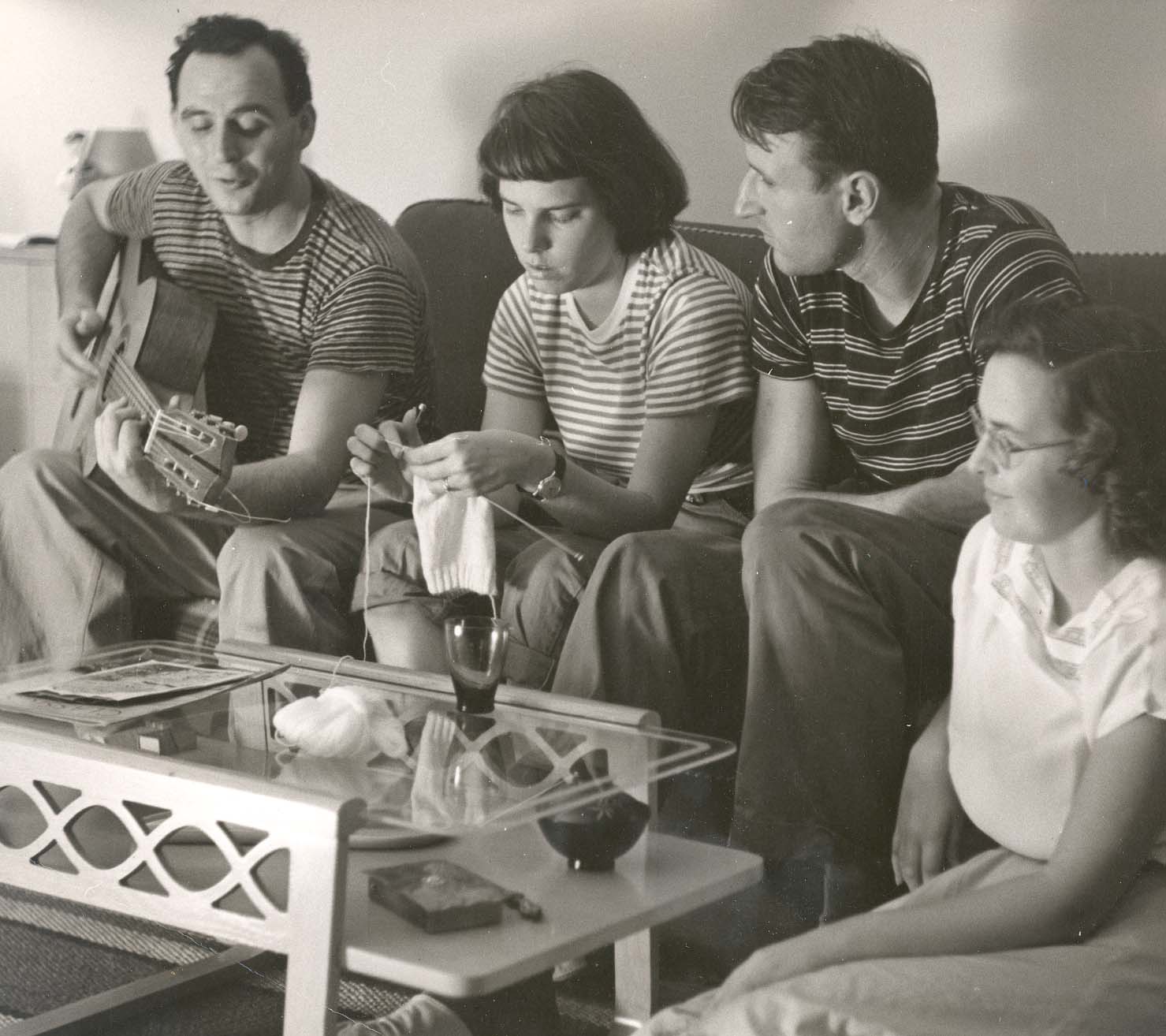
For as long as I can remember, my mother, Mary Mavor, was always knitting. In her lifetime she produced hundreds of hats, sweaters and blankets, offering them like warm hugs to her friends and family. She was most prolific with the hats, which had side flaps and a pompom on top. She started making them in the 50’s, when we were kids. The hats were not just for children, but for her adult friends, too. She’d find out what colors they liked and measure their heads, frequently testing the hat size half way through the knitting process. Just yesterday, I saw one of my mother’s good friends walking up Water St. in Woods Hole, wearing one of her hats. It’s such a cheerful reminder of her spirit.

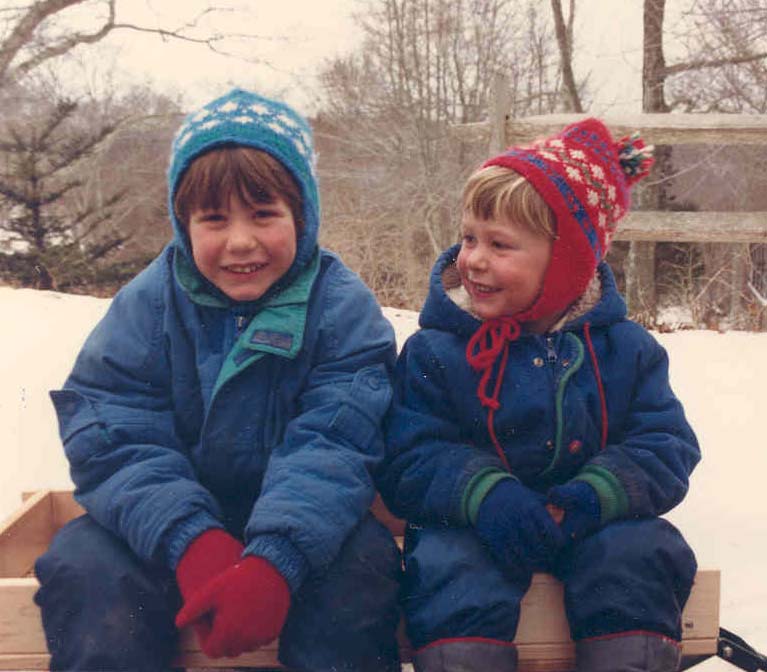
My sons Peter and Ian in their grandmother’s hats, 1989
my son Peter in 1984, machine applique by Salley
Mum knitting, with Dad on the right, 1951

My sister, Anne Mavor, wrote a piece about our mother and her knitted hats for Interweave Knits Magazine’s Holiday issue in 2006.

Anne’s article in Interweave Knits Magazine, Holiday 2006

Here’s a sample from the article:

“Even though Mum never taught me how to knit this hat, I watched her knit hundreds of them. I know the click of the small double-pointed needles as she followed the pattern round and round. I know the curve of her hands as they lifted up a strand of blue yarn, wound it around the needle and then picked up the white. I can close my eyes and still see her hands moving, reading glasses balanced on the end of her nose, tongue working in her cheek.”
Anne with her husband Dennis and their son Rowan, 1990
Anne and Mum in 1952

Anne describes how after our mother died, she found Mum’s zipped knitting needle pouch and decides to learn how to knit the same hat with no pattern, just a sample hat to work from. She eventually figures out how to knit the hat and writes directions, which are included with the article.

She writes this at the end:

“The night before Mum died, I sat beside her bed listening to her labored breathing. She and I were suddenly not mother and daughter anymore. We were two women sitting in a nursing home bed-room, one dying, the other living for a while more. Two lives with intersecting circles that included a pouch of knitting needles and a particular three-colored hat with earflaps.”

To keep up with new posts, please subscribe to this blog. Your contact info will not be sold or shared. If you’d like to see more frequent photos tracking the projects in my studio, please follow me on Facebook and/or Instagram.