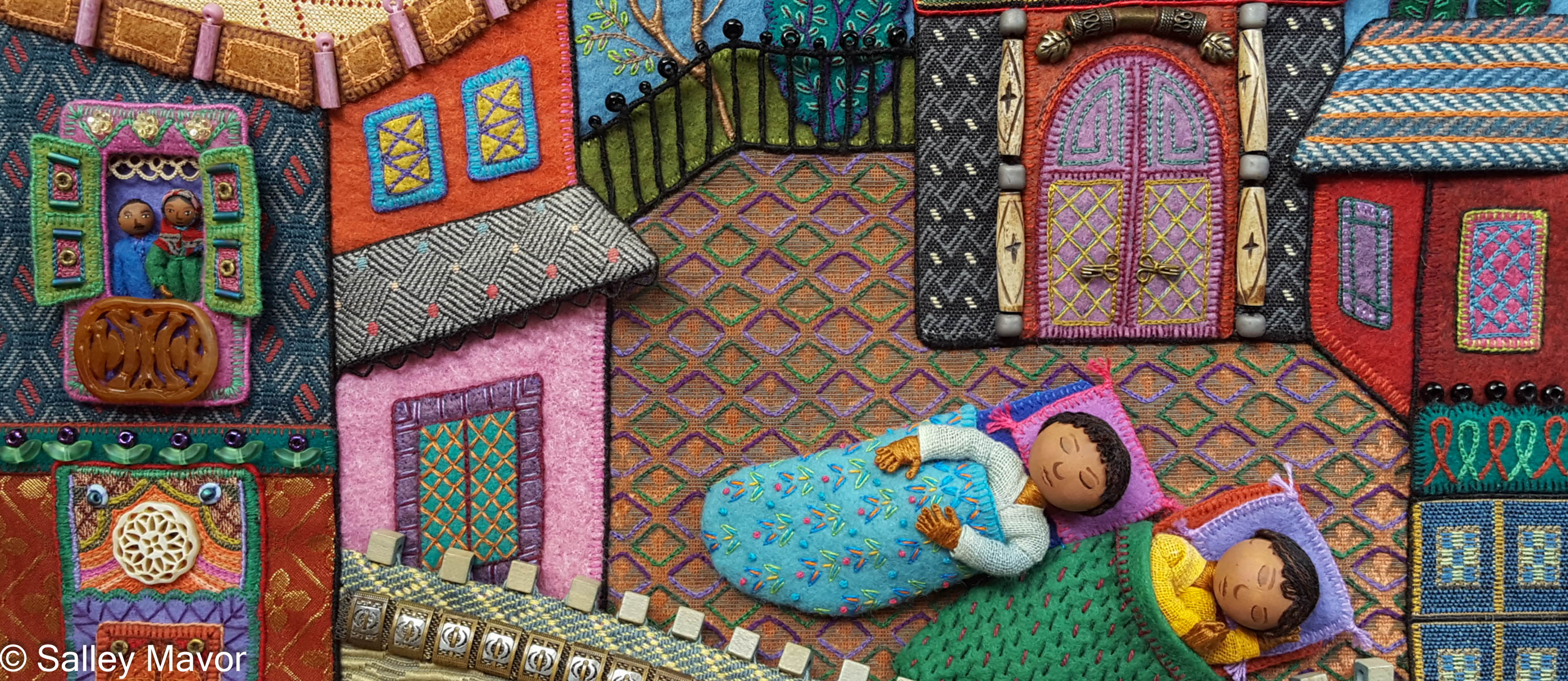
Throughout my life, a folky multi-cultural aesthetic has filtered through just about everything I’ve created, beginning in childhood and continuing into my current work. This enduring interest in international folk traditions is deeply rooted in the way I was raised.
Whether drawing inspiration from traditional motifs and patterns, regional styles, or the details found in costumes from around the world, my art consistently features characters and subjects that celebrate the beauty of diversity while also emphasizing the universal connections that unite us.
In this post, I share three stories about different experiences in my upbringing that have influenced my life and style: Souvenir Doll Collection, Childhood Travels, and Folk Dancing Legacy.
Looking back, I feel incredibly grateful to have been brought up in a family who valued creativity in all forms, with an emphasis on world cultures and folk traditions. My parents’ love and appreciation for all things folky—whether it was art, clothing, music, or dance from around the world—was a constant presence throughout my early years. Their passion for celebrating international folk customs not only enriched our daily lives but also served as a meaningful way for our family to engage with and feel connected to our wider community. Growing up in such an environment, it is no wonder that I am continually inspired to explore relationships across cultures and to integrate folk art elements into my work.
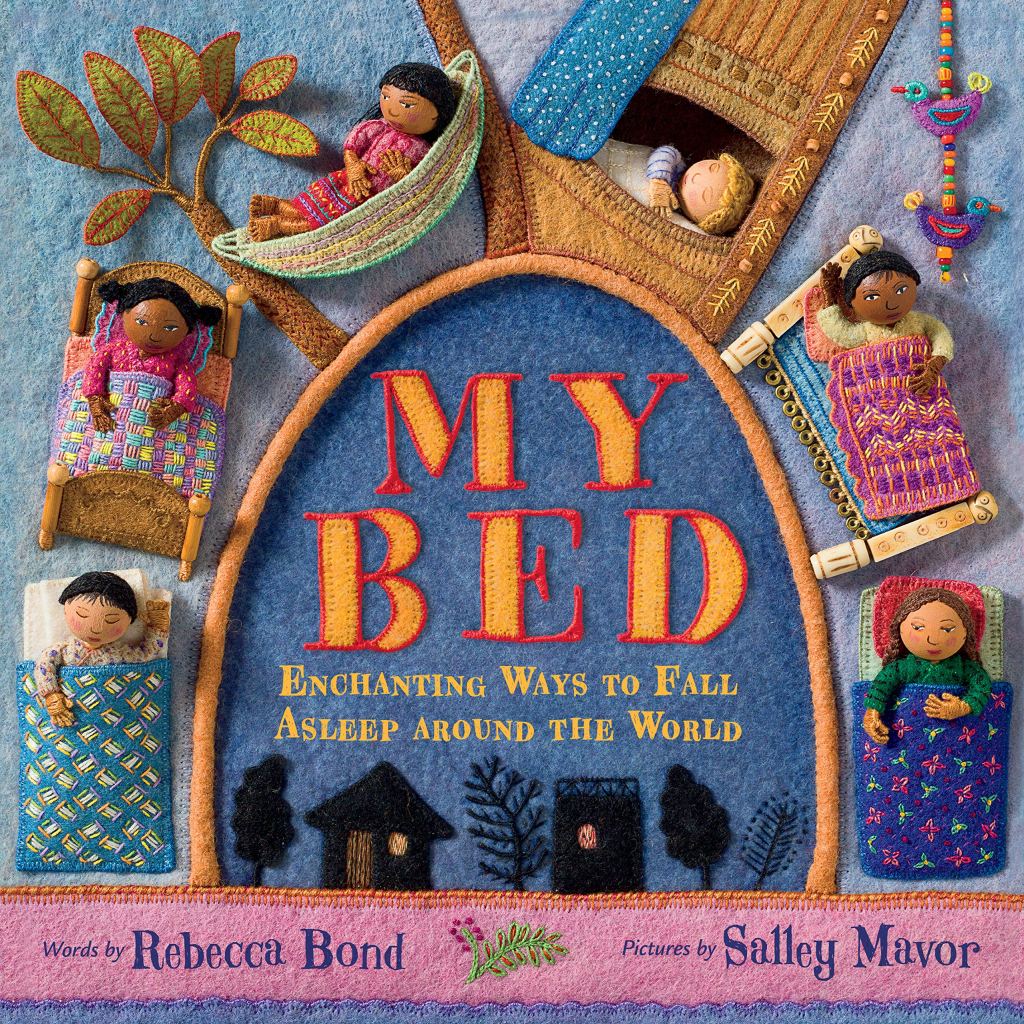
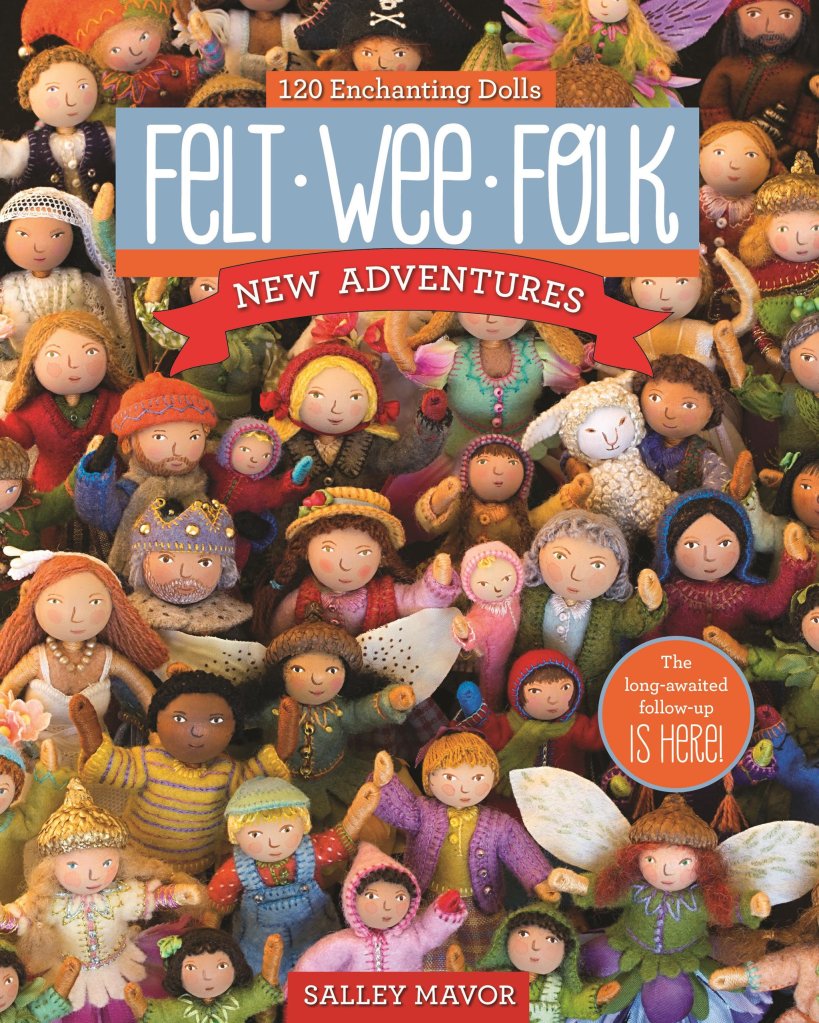
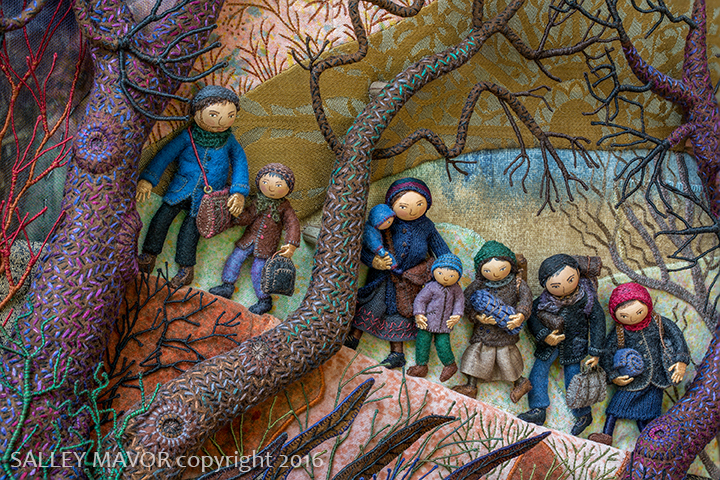
Recent projects influenced by a folky multi-cultural aesthetic include Face Time, Cover Up, Whiskers, Displaced, and my books, My Bed: Enchanting Ways to Fall Asleep around the World, and Felt Wee Folk.

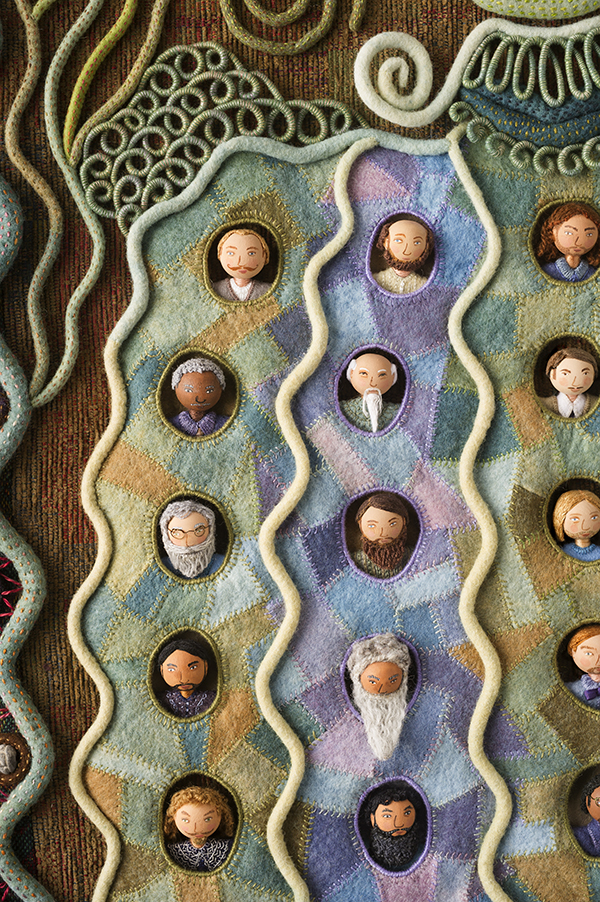
Souvenir Doll Collection
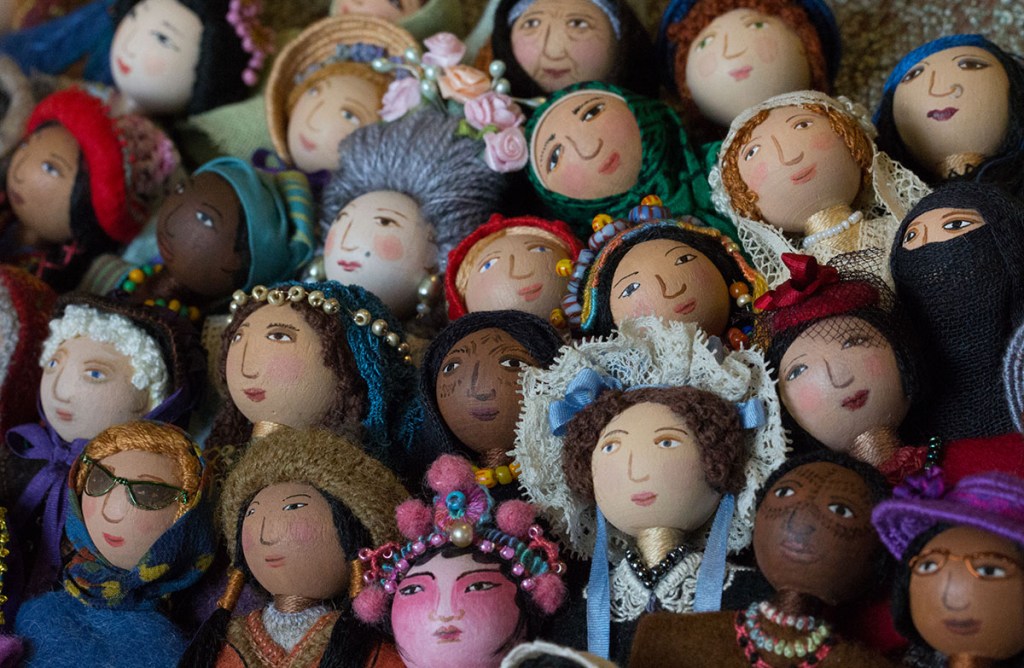
My fascination with clothing and costumes stretches back to early childhood. I remember gazing up at my grandmother’s collection of international souvenir dolls, which were displayed high out of reach on her living room shelves. There were dozens of them, each dressed in the traditional clothing of a different country she had traveled to.
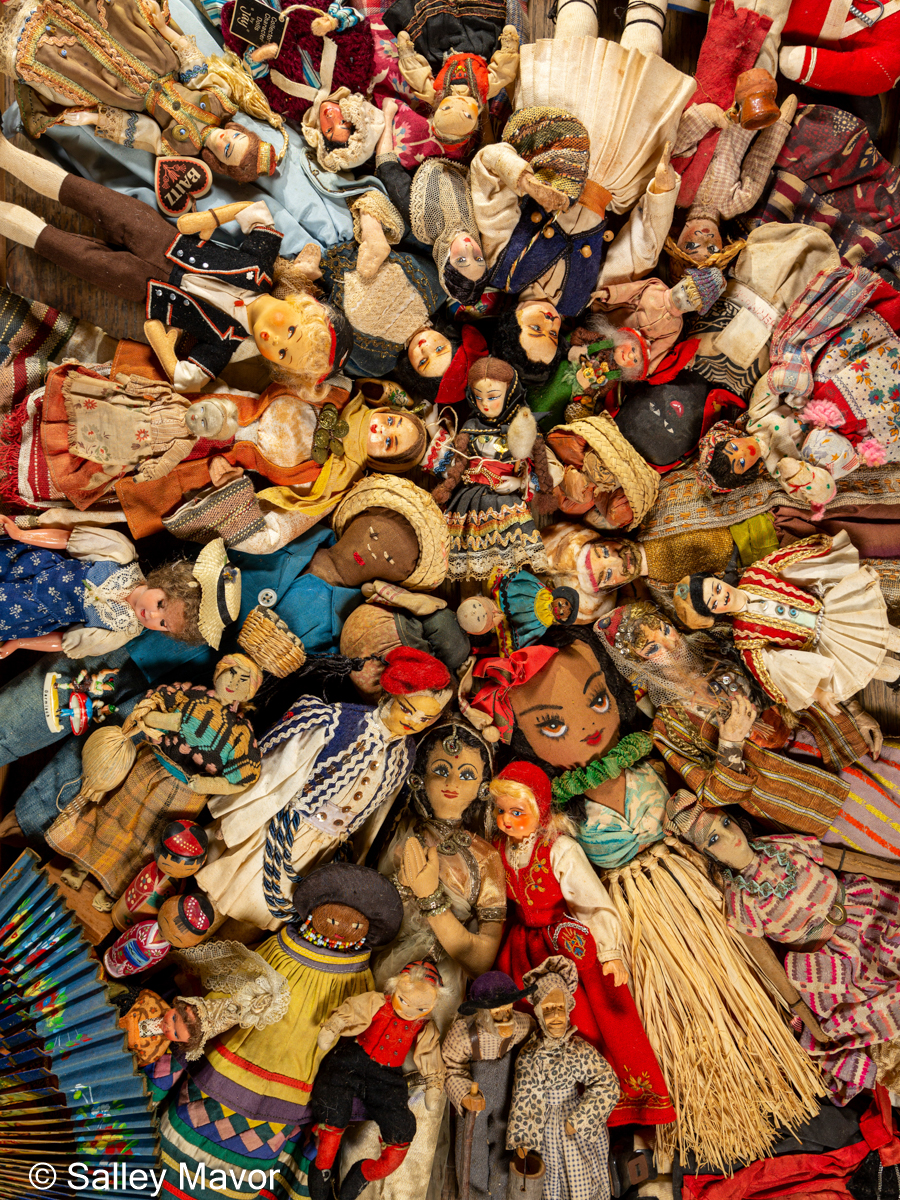
Over time, I was allowed to touch some of the dolls and get a close look at their intriguing outfits. This early exposure to a variety of cultures in such a child-friendly way sparked a life-long curiosity about how clothing can identify and communicate something about who we are as groups and as individuals.
Childhood Travels
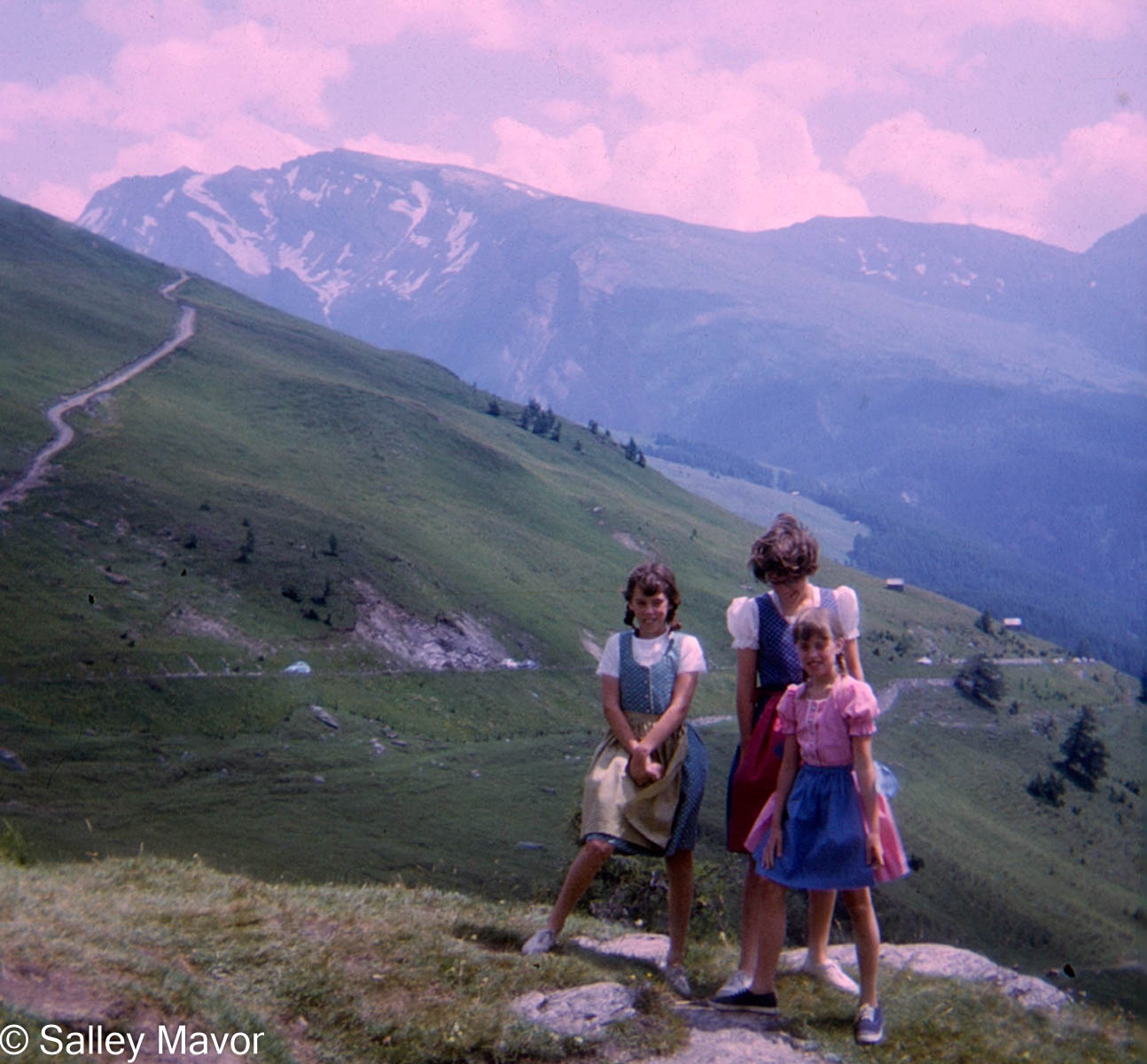
In 1965, when I was ten years old, my family went on a trip to Europe that would have a lasting impact on my life. At that age, I was old enough to truly take in and appreciate the wide variety of places and people we encountered. To this day, I remember highlights from our travels: climbing the Eiffel Tower in Paris, riding a donkey up a mountain in Greece, hiking through the Alps, and floating in a gondola along the canals of Venice.
Continuing into my teenage years, our family went on other memorable trips abroad including to Scandinavia in 1973, where we joined my sister Anne, who had just completed a year studying at a Folk School in Sweden.
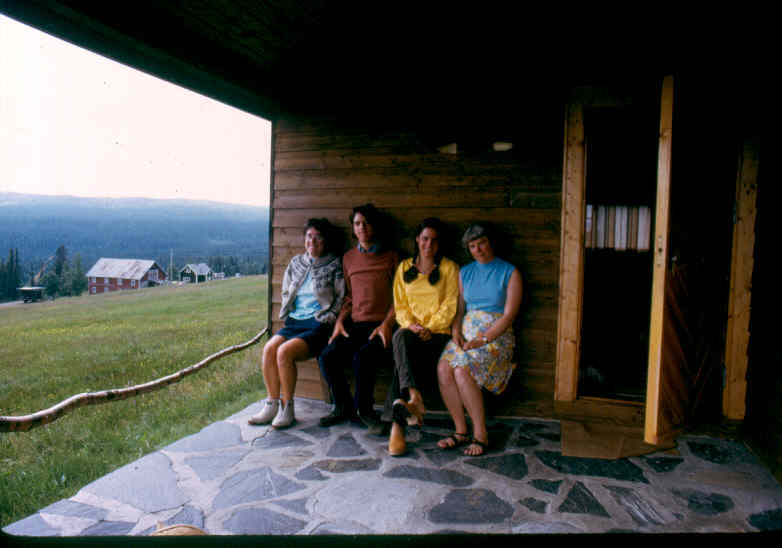
Each of these travel experiences played a significant role in broadening my understanding of the world. This exposure not only enriched my perspective but also laid the foundation for themes that would become central to my creative work in the years to come.
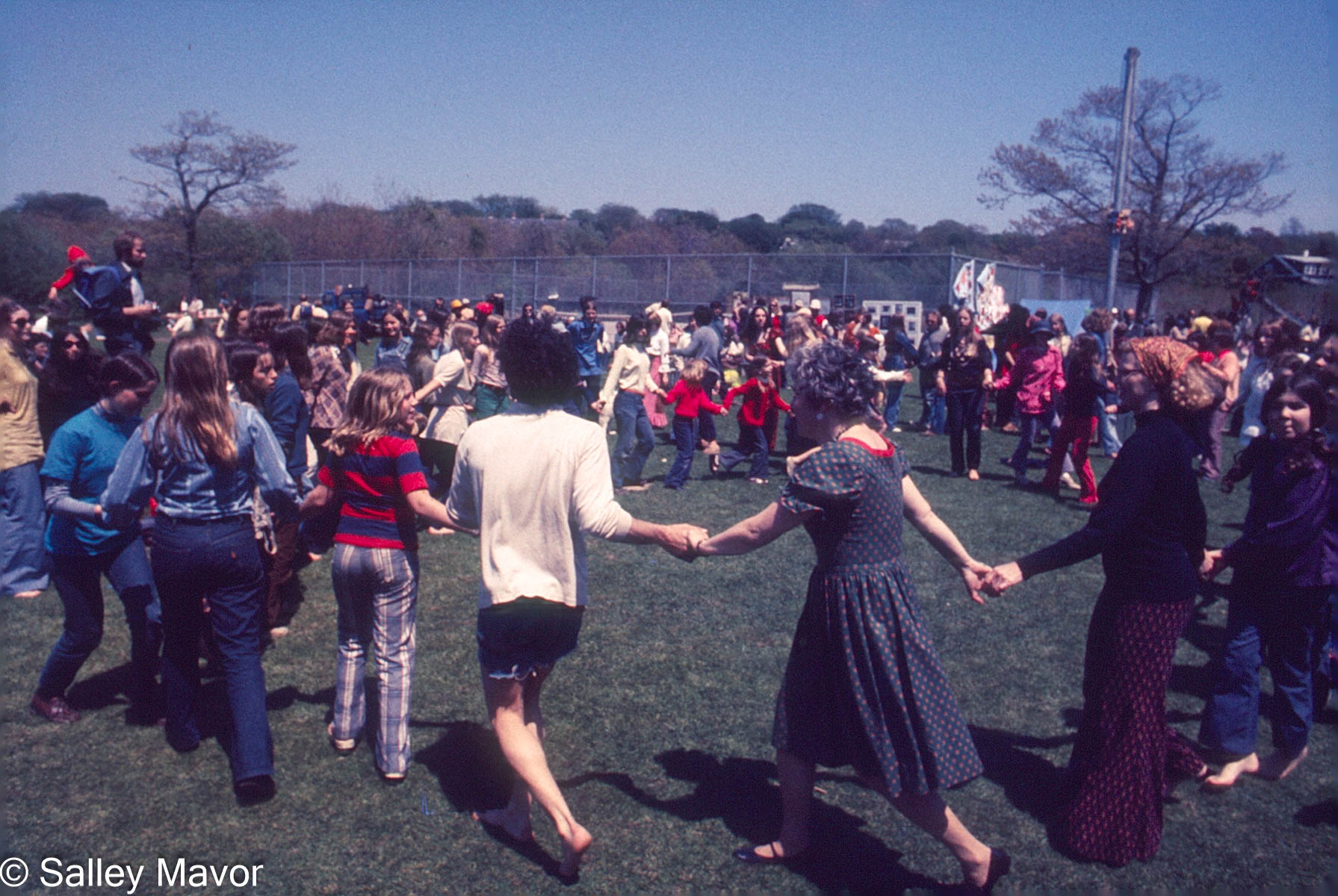
Folk Dancing Legacy
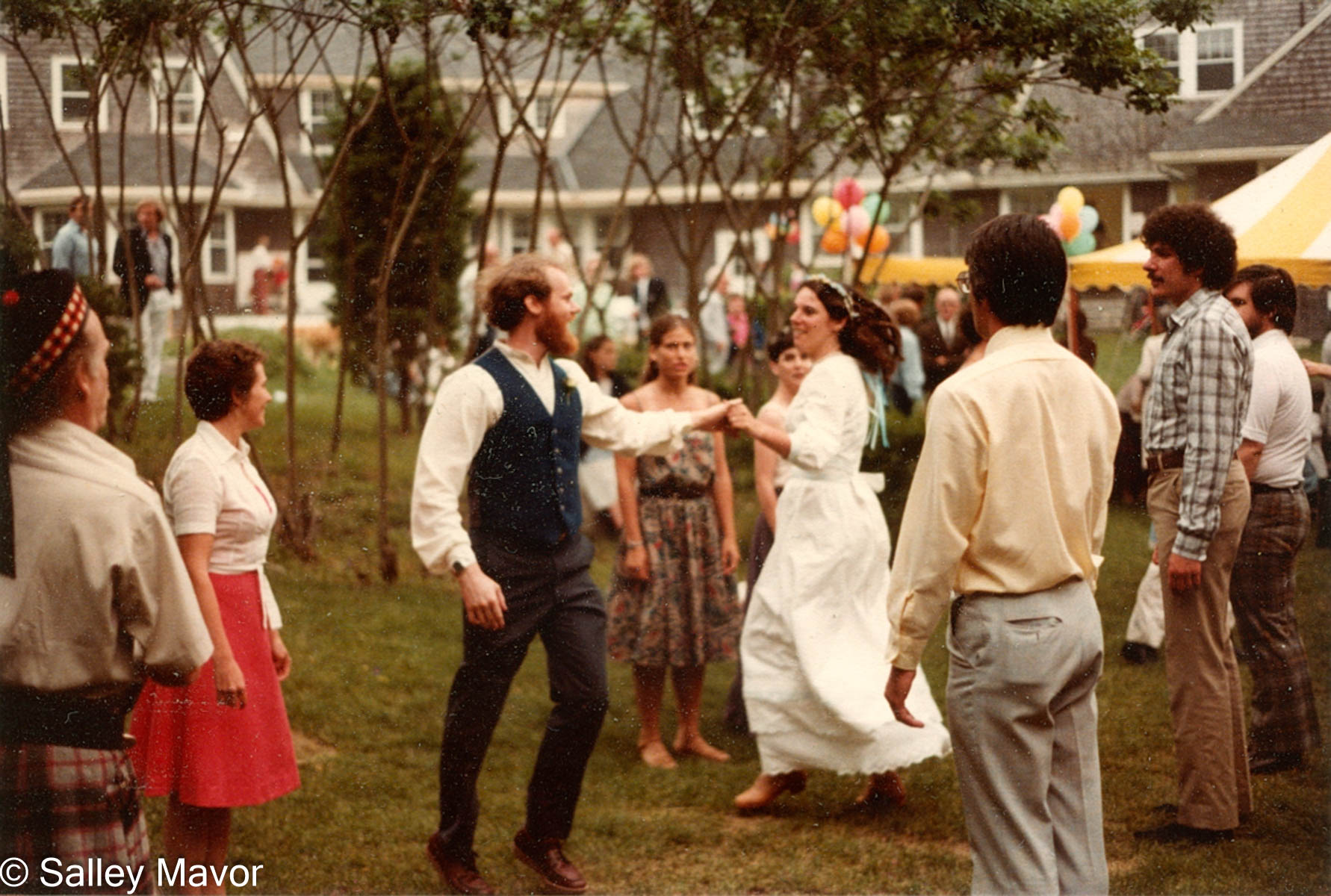
Mary and Jim Mavor’s shared passion for folk music and dancing brought them together in the late 1940s. They met and fell in love while attending a variety of folk dance events in the Boston area. During those post-war years and into the 1950s, Boston was a vibrant hub for the emerging folk music and dance scene. They had their choice of dances to go to, including New England Contra dances, square dances or international folk dances, often with live music. My parents’ mutual enthusiasm for folk dancing not only marked the beginning of their courtship but also became a lasting focus throughout their long marriage.
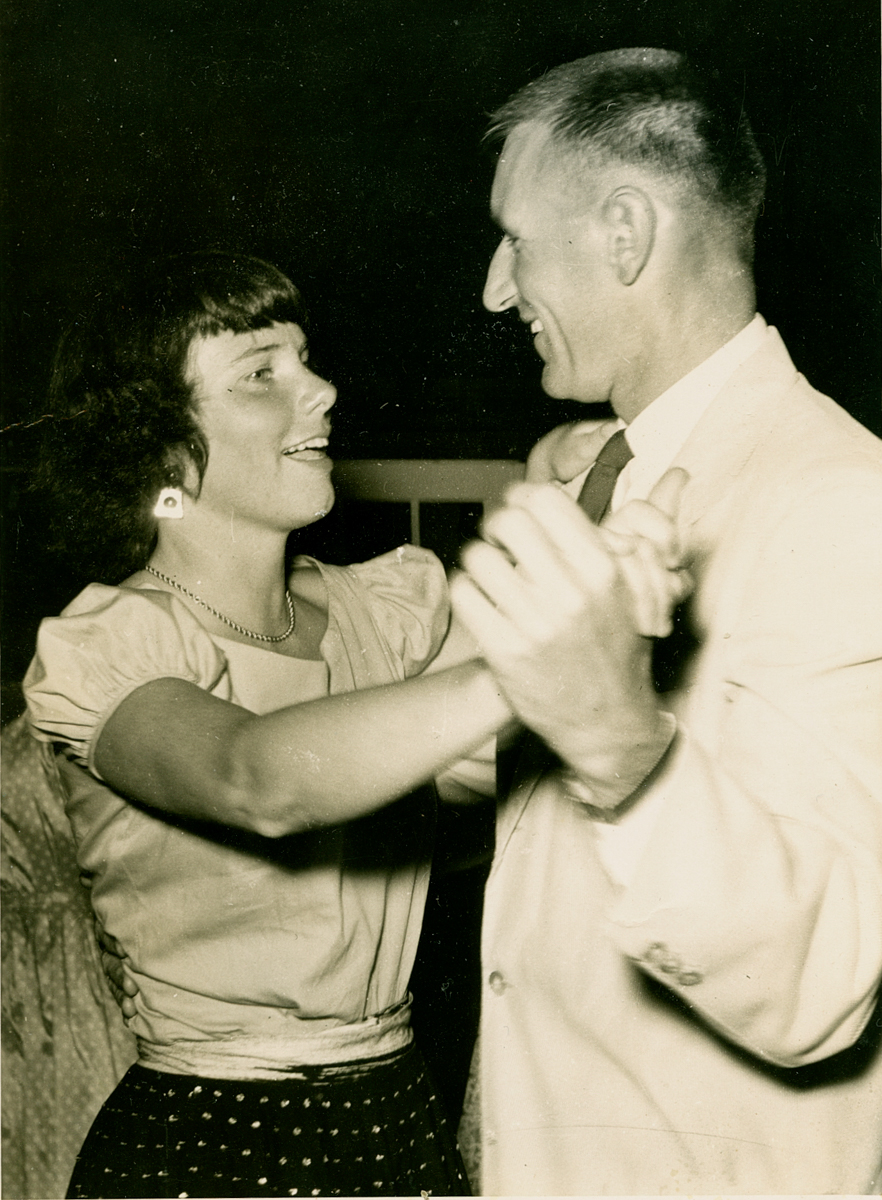
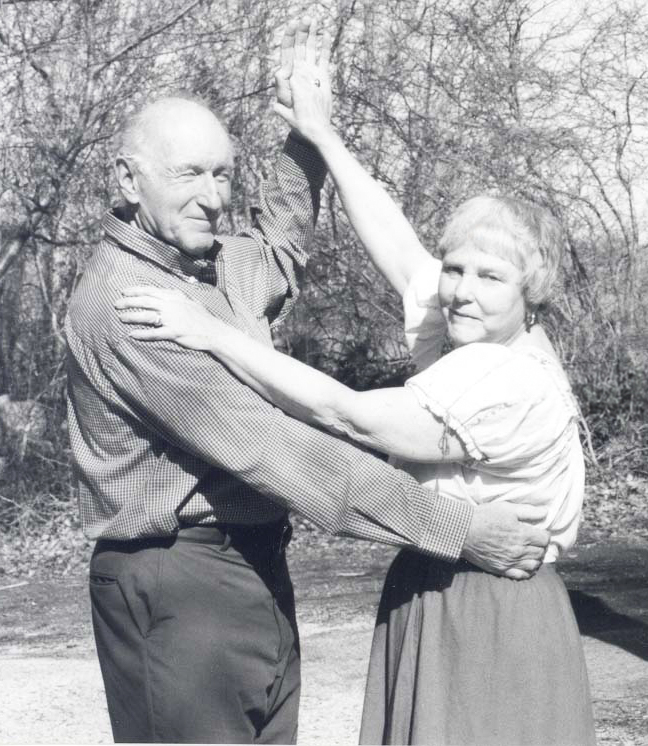
In 1961, when our family switched from being summer people in Woods Hole, MA to living there year-round, Mary and Jim naturally brought their love of folk dancing with them. They began teaching folk dancing at the Woods Hole Community Hall, sharing their knowledge and extensive record collection with people in the village. My father soon formed the Woods Hole Folk Orchestra, which is still going strong. For over fifty years, they made it their mission to hold weekly international folk dances and monthly contra dances.
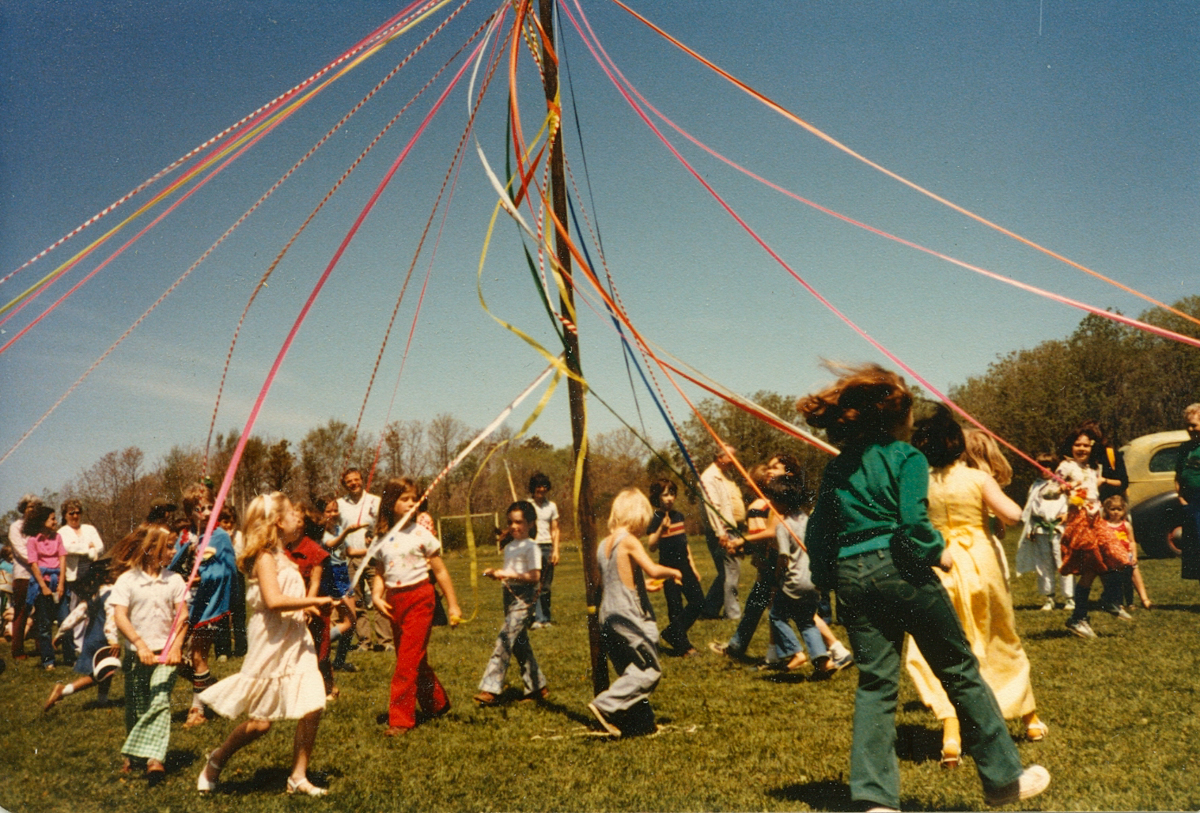
My mother always stressed the social benefits of the dances, including countless match-making successes and the fostering of long-lasting friendships across generations. Through our parents’ example, my sister, brother, and I learned the importance of building community by creating regular opportunities for people to come together—not just physically, but also emotionally and spiritually. Over the years, the seeds they planted helped cultivate a thriving local scene, inspiring the growth of other music, dance, and theater groups rooted in folk traditions.
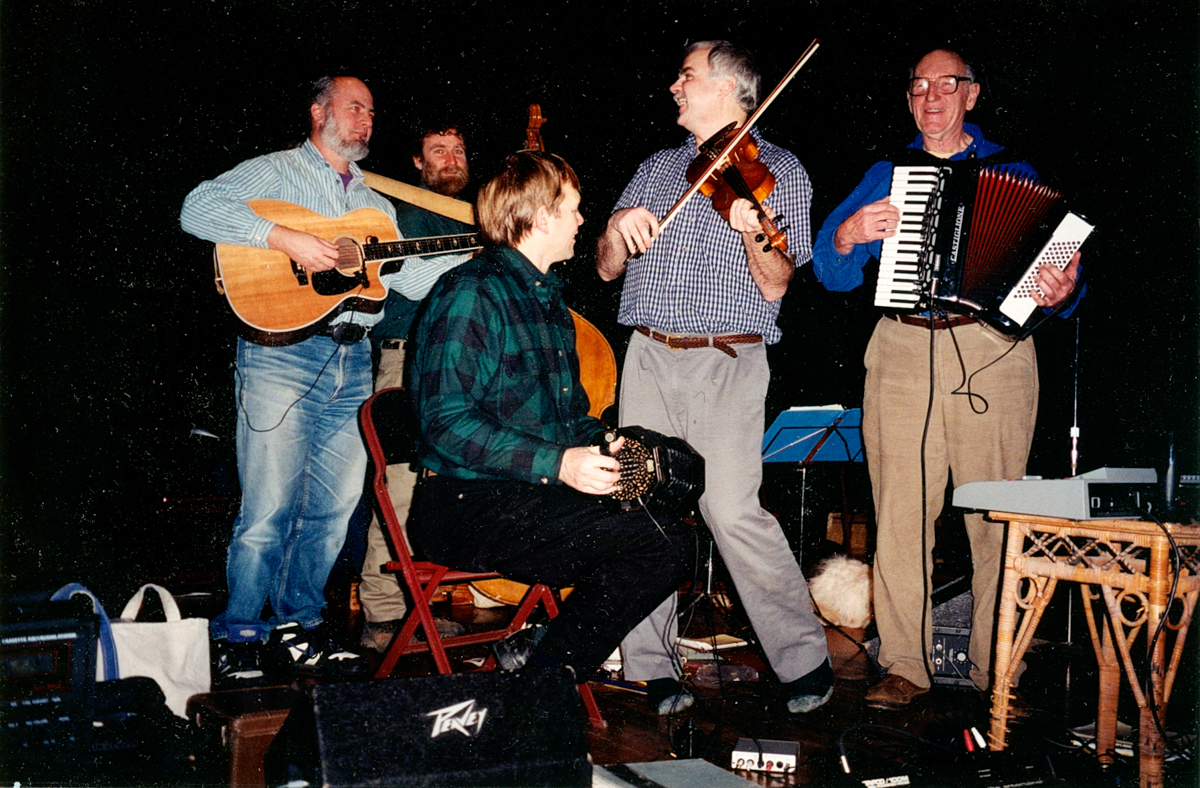
Folk dancing continues to be an unbridled source of merriment in Woods Hole even now, decades after our parents’ passing. It remains a defining phenomenon in our community and stands as a testament to their vision and unwavering dedication to celebrating the world’s shared humanity.
To keep up with new posts, please subscribe to this blog. Your contact info will not be sold or shared. If you’d like to see more frequent photos tracking the projects in my studio, please follow me on Facebook, Instagram and BlueSky.
 SALLEY MAVOR
Such a wonderful legacy of appreciation for cultural diversity. I enjoyed your post, Sally! I tinker with various art projects, and shared your books and Wee Folk skills with my sister, nieces, and grandniece. Art is our common ground.
Thank you for sharing your special world. I am not an artist but so enjoy the creativity of others. I am a great reader and cannot believe I am reading
“THE STATIONARY SHOP” A novel by Marjan Kamali. Have a blessed 2026.
I loved this!!!!!!!!!! Thank you!
Janice in northern Minnesota, near the Canadian border ________________________________
I loved this as well, what an amazing gift your parents gave you and your siblings. Love your work – just completed my first little Salley Mavor person out of pipe cleaners and felt. So fun but I’ve definitely got to up my embroidery skills! Janice on the North Shore of Boston in MA.
I loved this as well. What a wonderful childhood you and your siblings had! No wonder you are so creative. Are your siblings creative as well?
Janice on the North Shore of MA, in Topsfield
Very interesting. Thank you for pulishing this. I enjoyed it. Ann b >
Hi Salley,
The pictures and story are beautiful and inspiring. I love the wedding dancing!
Susan
>
I really enjoyed reading this! So interesting! For a period of time I attended contra dances–so much fun!!
Great blog, dear Salley! Loved it❣️❣️❣️ And time to get together again…! Love, Maria
Thanks for sharing all the wonderful photos of your memories. Your love of folk is contagious and informs your work.
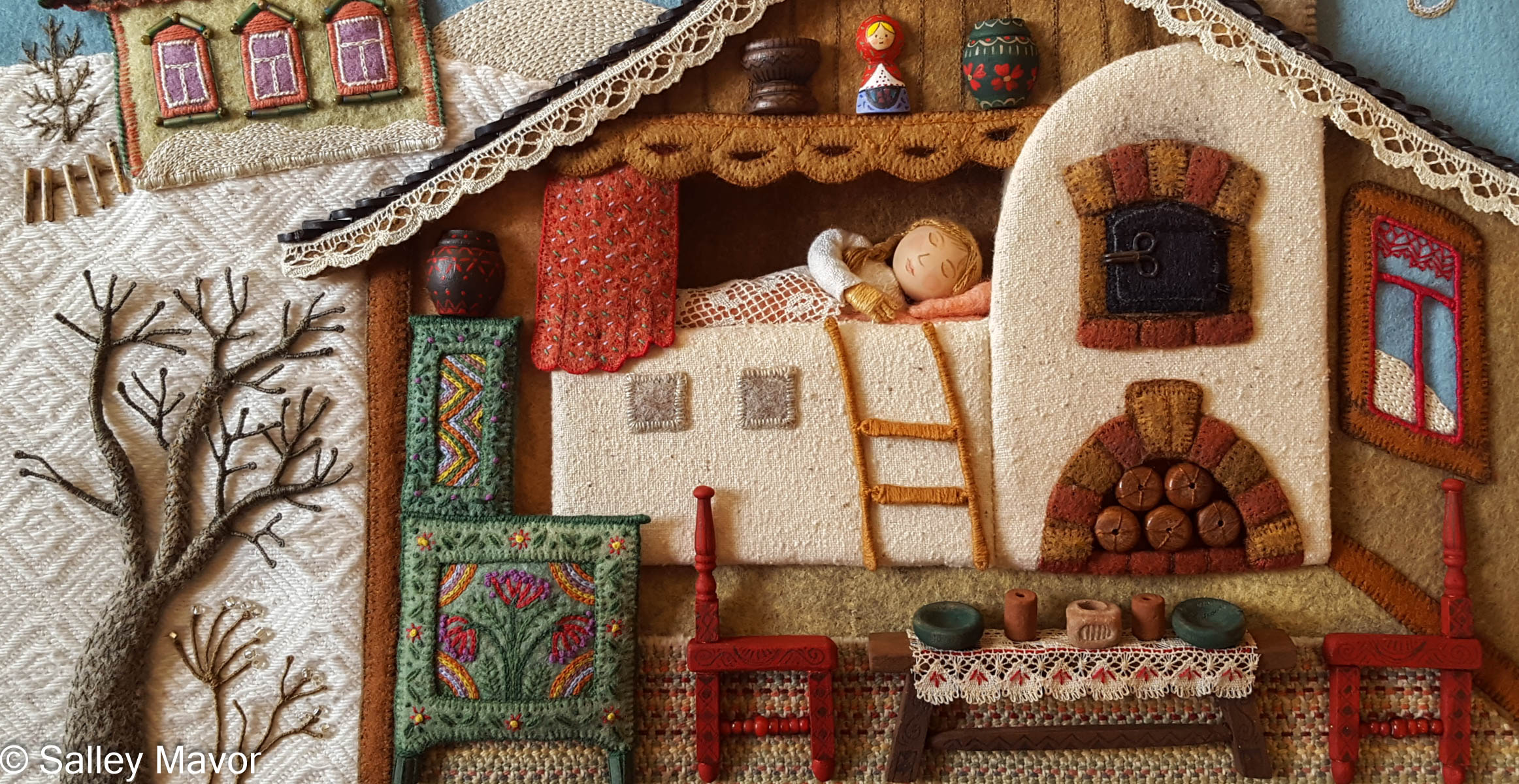
In My Bed: Russia, I don’t see a samovar. It was the first thing I looked for.
Yes, although samovars are associated with Russian interiors, I decided not to place one in the scene. They seemed too fancy for the simple cottage.
Oh, I see.
But the historical photos that I have seen have had quite modest homes with samovars. Maybe they were passed down from generation to generation.
Anyway, you have created a fabulous collection and I’m always interested to see what new project you have finished.